Cyclone ‘Akvan’ Intensifies Over the Bay of Bengal; Andhra Pradesh
|
Getting your Trinity Audio player ready...
|
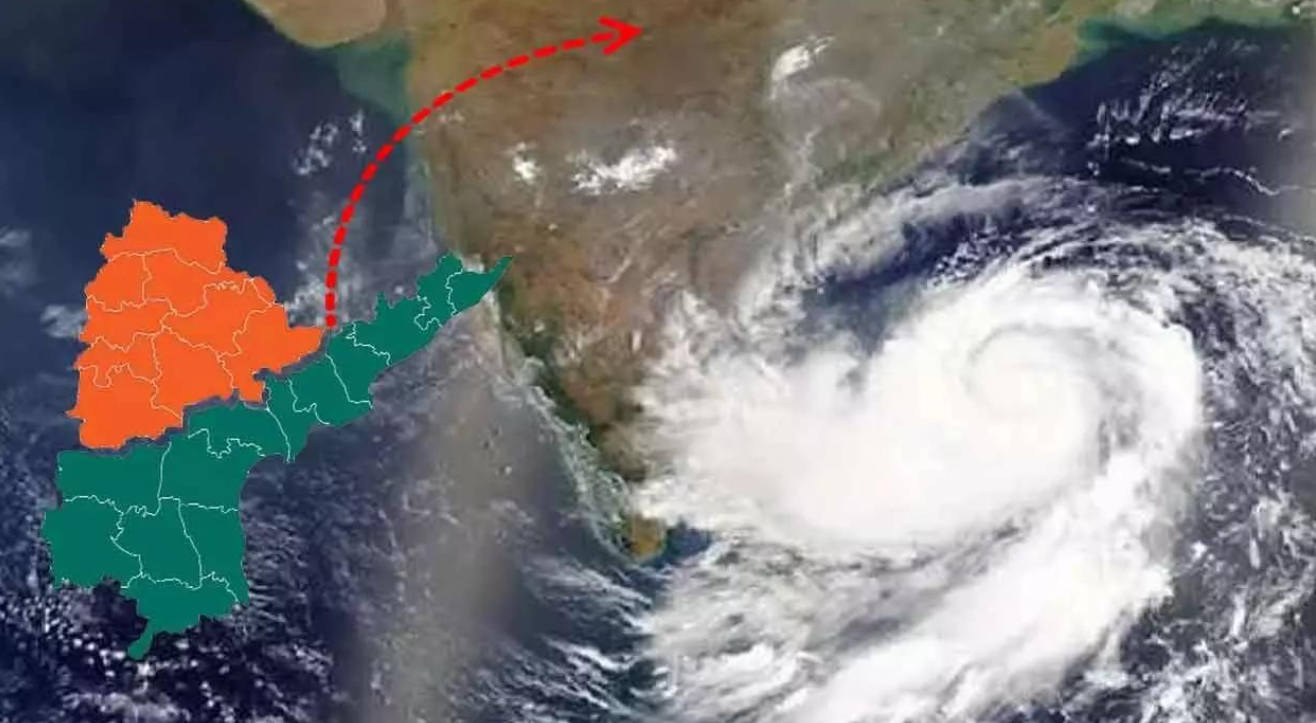
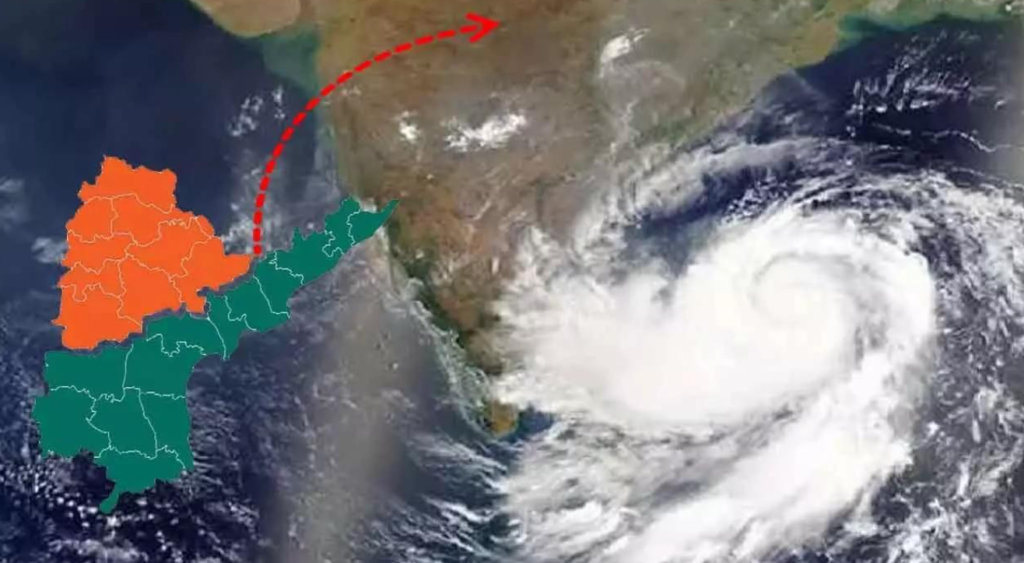
New Delhi, November 18, 2026: Cyclonic storm ‘Akvan’, which has developed over the Bay of Bengal, has intensified and is expected to become stronger in the coming days. According to the weather forecast mentioned in reports, the system is moving towards the northwest and may cross the coast near Andhra Pradesh and Yanam on November 20, potentially affecting areas between Nellore and Visakhapatnam.
The cyclone is expected to bring strong winds, heavy to extremely heavy rainfall, rough seas and possible flooding in low-lying areas. The India Meteorological Department (IMD) has issued weather warnings for coastal areas, while authorities are increasing preparedness and monitoring the situation.
The impact of the cyclone could affect normal life, road transportation, electricity supply, marine activities, agriculture and other economic activities in coastal districts.
How Did the Cyclone Develop Over the Bay of Bengal?
The weather system formed over the sea and gradually gained strength before developing into a cyclonic storm.
Several factors influence the development and intensity of a cyclone, including sea surface temperatures, atmospheric moisture, wind direction, pressure conditions and the surrounding atmospheric environment.
Once a system develops into a cyclone, meteorologists continuously monitor its movement, wind speed, intensity and possible direction.
In the case of Akvan, forecasts indicate that the storm is moving northwestwards and may approach the Andhra Pradesh coastline. Its intensity and track could change as it moves closer to the coast, making regular weather updates important.
Possible Landfall on November 20
According to the forecast mentioned in reports, Cyclone Akvan may cross the coast around November 20.
The possible landfall area has been indicated between Nellore and Visakhapatnam along the Andhra Pradesh coast.
However, the exact location, timing and intensity of landfall may change as the cyclone progresses. Residents and authorities are therefore advised to rely on the latest official weather bulletins rather than older forecasts.
As the cyclone approaches the coastline, wind speeds could increase significantly. Forecasts mentioned in reports indicate the possibility of sustained winds of around 120–130 kilometres per hour, with gusts potentially reaching approximately 145 kilometres per hour.
Such strong winds can damage trees, electricity poles, weak structures, temporary buildings, advertising boards and other infrastructure.
Which Districts Could Be Affected?
Several coastal districts of Andhra Pradesh may experience heavy or very heavy rainfall depending on the cyclone’s movement.
Rainfall could lead to waterlogging in low-lying areas, disruption of road connectivity, damage to crops and pressure on urban drainage systems.
Coastal villages, fishing settlements and areas located near the shoreline may require special monitoring.
If heavy rainfall and strong winds occur simultaneously, electricity supply, telecommunications and transportation services could also be temporarily affected.
Possibility of High Waves and Coastal Flooding
Cyclones can generate unusually high waves due to strong winds and changes in atmospheric pressure.
The sea may become extremely rough, and water could move towards low-lying coastal areas. In some locations, coastal flooding, water intrusion and erosion may become possible.
Fishermen, residents living near the shoreline and people involved in marine activities should follow official advisories.
Fishing activities may be suspended or restricted depending on the weather conditions. Boats may need to be moved to safer locations, and fishermen may be advised not to venture into the sea.
Impact on Fishing and Marine Activities
Cyclones can disrupt fishing operations, marine transport, port activities and local markets.
If restrictions are imposed on fishing or maritime movement, fishermen may have to suspend their activities temporarily. This could affect their daily income and local businesses connected with the fishing industry.
However, staying away from the sea during cyclone warnings is essential for safety.
Strong winds, high waves and sudden weather changes can create dangerous conditions for boats and other marine activities.
Possible Impact on Agriculture
Agriculture in coastal Andhra Pradesh could also be affected by the cyclone.
Heavy rainfall may cause waterlogging in fields, damage crops, lead to soil erosion and disrupt agricultural operations.
The impact on paddy, horticultural crops and other agricultural produce will depend on the actual intensity and duration of rainfall.
Farmers may need to protect crops, move agricultural equipment to safer places, manage excess water and follow local agricultural advisories.
Electricity and Communication Disruptions
Strong winds can damage power lines, poles, transformers and other electrical infrastructure.
Fallen trees may block roads and create additional challenges for electricity restoration teams.
Telecommunication services could also be affected in some areas if infrastructure is damaged or power supply is interrupted.
Residents are advised to keep mobile phones charged, maintain essential contact numbers and prepare for possible temporary disruptions.
Administration and Disaster Management Preparedness
After a cyclone warning is issued, local administrations, disaster management agencies and relevant departments begin monitoring the situation.
Depending on the severity of the threat, authorities may prepare evacuation arrangements, relief shelters, emergency medical facilities, rescue teams and other resources.
Residents in vulnerable areas should follow instructions issued by the administration.
Official evacuation advisories should be taken seriously, especially for people living in low-lying areas, coastal villages and weak structures.
Safety Measures for Residents
Residents in cyclone-affected areas should keep essential supplies ready, including drinking water, food, medicines, flashlights, batteries, mobile chargers and important documents.
People should avoid standing near trees, electrical poles, weak buildings and exposed structures during strong winds.
Residents should avoid beaches and coastal areas when warnings are in place.
Children, elderly people, persons with disabilities and individuals with medical conditions may require additional assistance.
If evacuation instructions are issued, people should move to safer locations without delay.
Cyclone Track and Intensity Could Change
The movement and intensity of cyclones can change due to atmospheric and oceanic conditions.
The storm may strengthen or weaken depending on the surrounding environment. Its direction, speed and landfall location may also change as it approaches the coast.
Therefore, the expected landfall around November 20 should be treated as a forecast that may be updated.
The IMD is expected to continue monitoring the cyclone and issue additional bulletins regarding its movement, wind speed, rainfall and possible landfall.
Conclusion
Cyclone Akvan over the Bay of Bengal could pose a significant weather challenge for coastal Andhra Pradesh.
The possibility of strong winds, heavy rainfall, high waves and flooding means that residents, fishermen, farmers and authorities need to remain alert.
Preparedness, timely evacuation when necessary and following official weather advisories are the most important steps during a cyclone threat.
The situation may change as the cyclone moves closer to the coast, making regular updates from official weather agencies essential.