Strait of Hormuz Crisis Deepens: Iran and Oman
|
Getting your Trinity Audio player ready...
|
Dubai, November 17, 2026: Growing tensions in the Middle East have raised serious concerns about international maritime security after Iran and Oman held discussions on protecting important shipping corridors in the Strait of Hormuz.
The diplomatic discussions took place during Iranian Foreign Minister Abbas Araqchi’s visit to Muscat, where he met Oman’s Foreign Minister Badr Albusaidi.
According to a statement from Oman’s Foreign Ministry, the discussions focused on protecting maritime corridors, maintaining the smooth movement of global shipping and trade, and restoring diplomatic communication to prevent further escalation.
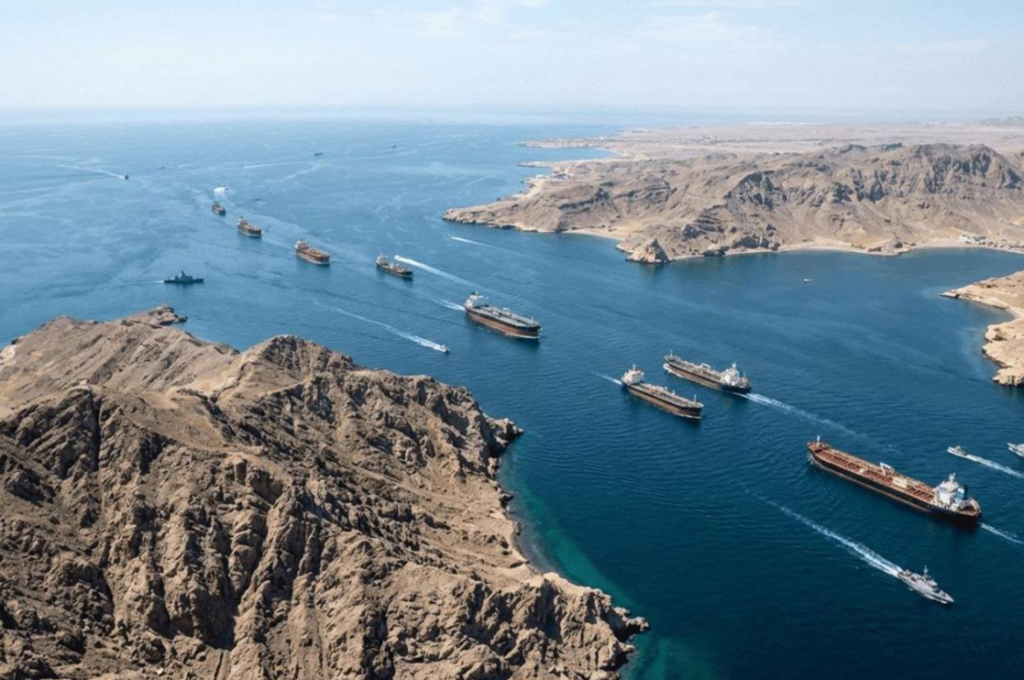
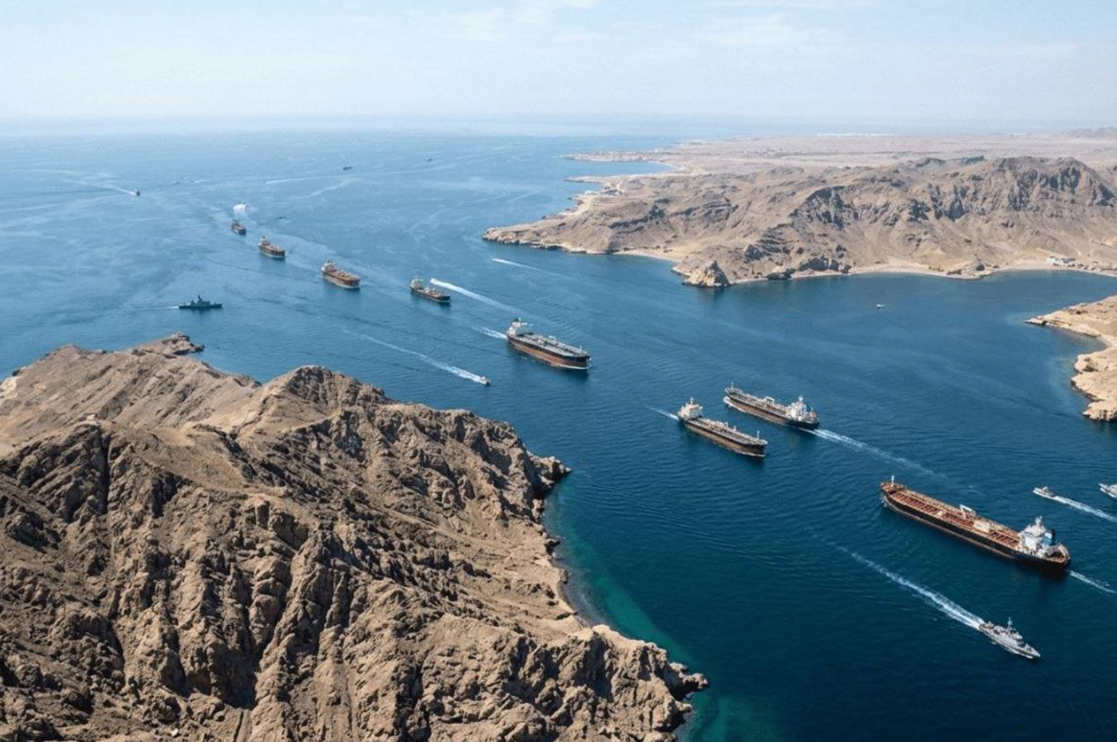
The meeting comes at a particularly sensitive moment for international energy markets. Attacks on commercial vessels and restrictions affecting maritime traffic have increased concerns among shipping companies, oil exporters and governments that depend on the strategic waterway.
The Strait of Hormuz is one of the most important maritime passages in the world. Any prolonged disruption could affect international oil supplies, transportation costs, energy prices and the wider global economy.
The situation is being closely monitored because the waterway connects major oil-producing countries in the Persian Gulf with international markets.
Why the Strait of Hormuz Is So Important to the World
The Strait of Hormuz is a narrow maritime passage located between Iran and Oman. It connects the Persian Gulf with the Gulf of Oman and the Arabian Sea.
Its geographical position makes it one of the most strategically important shipping routes in international trade.
Before the current conflict, approximately one-fifth of global energy supplies passed through this waterway, making it particularly important for countries that depend on imported petroleum and natural gas.
Major oil-producing countries in the Gulf region use this route to transport energy products to customers in Asia, Europe and other international markets.
Countries such as China, India, Japan and South Korea are particularly exposed to developments affecting Gulf energy transportation because they are major consumers of imported energy.
A disruption to shipping through the strait could therefore have consequences far beyond the Middle East.
Tanker Attacks Increase Concerns About Maritime Security
One of the main reasons behind the latest diplomatic activity is the growing number of attacks and security incidents involving commercial vessels.
According to Reuters, tanker attacks have increased as Iran disrupts shipping traffic through the waterway, while the United States continues to maintain a naval blockade against Iran.
These developments have created a difficult environment for commercial shipping companies.
Ships operating in the region face several risks, including potential attacks, navigation disruptions, delays and higher insurance costs.
Shipping companies may also need to reconsider their routes and operational schedules depending on security assessments.
Even when a vessel is not directly attacked, uncertainty surrounding maritime security can increase the cost of transporting goods.
Insurance companies may charge higher premiums for ships travelling through conflict-affected waters. Shipping operators may also introduce additional security measures, increasing overall operating expenses.
Diplomatic Role of Oman
Oman has historically maintained diplomatic communication with different countries in the Middle East and has often played a role in facilitating discussions between parties involved in regional disputes.
Its geographical location gives it a particularly important position in the Strait of Hormuz crisis.
Oman shares the southern coastline of the strait and has direct interests in maintaining maritime stability.
The meeting between the Iranian and Omani foreign ministers is therefore significant because both countries have an interest in preventing further disruption to commercial shipping.
The discussions also reflect the importance of diplomatic channels during periods of military and political tension.
Oman’s efforts to maintain dialogue could provide opportunities for reducing misunderstandings and discussing practical measures to protect maritime traffic.
However, diplomatic discussions alone may not immediately resolve the wider conflict.
The situation also depends on decisions made by the United States, Iran and other countries involved in regional security arrangements.
How the Crisis Could Affect Global Oil Prices
The Strait of Hormuz is closely connected to the international oil market.
When commercial shipping through the waterway becomes uncertain, energy traders begin assessing the possibility of supply disruptions.
Even the possibility of a major interruption can influence oil prices because international markets respond to expectations about future supply and demand.
If fewer oil shipments reach international markets, buyers may compete for alternative supplies.
This can increase price volatility and create additional uncertainty for oil-importing countries.
Higher international crude prices can also influence transportation, manufacturing, electricity generation and the cost of various consumer products.
However, the actual effect depends on the duration and scale of any shipping disruption, the availability of alternative routes and the ability of producing countries to maintain exports.
It is therefore important to distinguish between market fears and confirmed reductions in physical oil supplies.
Impact on Asian Economies
Asian countries are particularly important in discussions about the Strait of Hormuz because a large proportion of energy shipments from the Gulf are destined for Asian markets.
China, India, Japan and South Korea are among the major economies that rely on international energy transportation.
If shipping becomes more expensive or unreliable, companies in these countries may face higher import and transportation costs.
For countries such as India, the impact could extend to the import bill, inflation, industrial production and the cost of transporting goods.
Energy-intensive industries, airlines, shipping companies and manufacturers may be particularly sensitive to prolonged increases in fuel costs.
The impact on individual countries will depend on their strategic reserves, import sources, domestic production and ability to secure alternative supplies.
What Happens if Shipping Through the Strait Is Disrupted?
A prolonged disruption could create several interconnected economic and security problems.
First, oil exporters may face difficulties delivering their products to international customers.
Second, import-dependent economies may need to secure alternative supplies from other regions.
Third, shipping companies could face higher insurance premiums and operational costs.
Fourth, global financial markets may react to uncertainty about energy availability and inflation.
The crisis could also create additional diplomatic pressure on international organisations and major powers to seek arrangements that protect commercial shipping.
Alternative pipelines and export terminals may help reduce some dependence on the strait, but they cannot necessarily replace the entire volume of energy transported through this route.
The United States and Iran Remain Central to the Crisis
The current maritime situation is closely linked to the wider conflict involving Iran, the United States and Israel.
Washington’s naval blockade and Tehran’s actions affecting maritime traffic have contributed to the security crisis.
The United States has maintained that its actions are connected to the broader conflict, while Iran’s position and regional activities remain central to negotiations.
The diplomatic challenge is to prevent further escalation while maintaining the security of international shipping.
Oman and other regional countries may play an important role in encouraging dialogue.
What Could Happen Next?
The immediate priority for regional governments and international shipping companies is to monitor the security situation and maintain safe maritime transportation.
The outcome of discussions between Iran and Oman could provide indications of whether diplomatic efforts are gaining momentum.
International energy markets will also monitor tanker movements, export volumes, shipping insurance costs and statements from major governments.
Any meaningful reduction in attacks or restoration of predictable maritime traffic could help reduce uncertainty.
However, if tensions continue to increase, the consequences could extend beyond energy markets and affect international trade and economic confidence.
Conclusion
The latest discussions between Iran and Oman highlight the growing importance of maritime security in the Middle East.
The Strait of Hormuz is not simply a regional shipping route. It is a critical part of the international energy transportation system.
With attacks on tankers increasing and the United States maintaining a naval blockade against Iran, the risk of further disruption remains a major concern.
The coming days will be important in determining whether diplomatic discussions can help restore stability and protect one of the world’s most important maritime corridors.