Ukraine-Strike Kerch bridge-Crimea-road-link-damaged
|
Getting your Trinity Audio player ready...
|
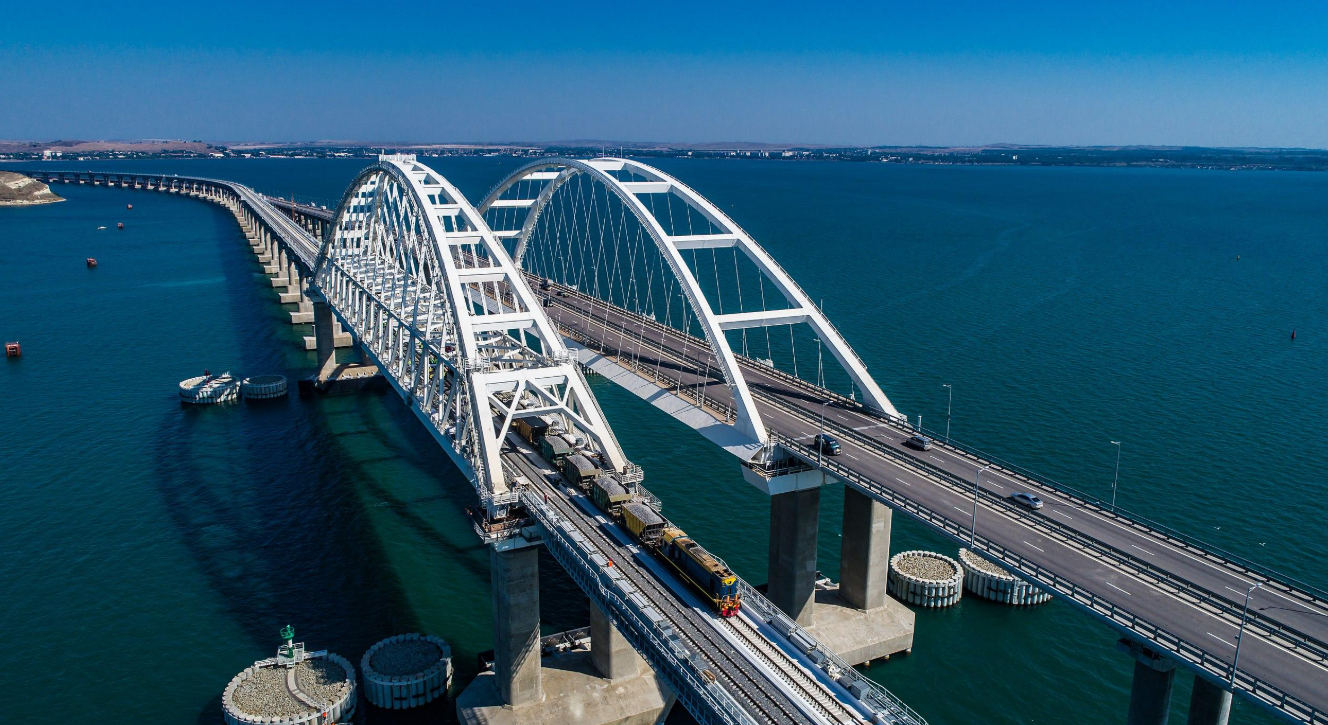
The war between Russia and Ukraine has entered another strategically significant phase following reports of a major attack targeting the Kerch Bridge, the critical infrastructure connection linking Russia with the Crimean Peninsula. Ukrainian officials have reportedly claimed that the operation damaged a section of the bridge’s road infrastructure, while reports indicated that the railway connection remained standing but had also sustained damage.
The Kerch Bridge has long been considered one of the most important strategic structures associated with Russia’s control and administration of Crimea. The structure connects the Russian mainland with the peninsula across the Kerch Strait and serves as an important route for civilian transportation, logistics and military-related movement.
The reported damage could have implications for transportation, regional security and Russia’s logistical planning. The bridge has repeatedly become a target during the ongoing conflict, reflecting its symbolic and strategic importance.
Why the Kerch Bridge Matters
The Kerch Bridge is more than a transportation structure. It is a major symbol of Russia’s connection with Crimea and an important infrastructure route.
The bridge includes road and railway facilities. These connections provide routes for people, commercial vehicles, supplies and other transportation movements between Russia and Crimea.
Because Crimea is geographically separated from mainland Russia, the bridge plays an important role in transportation planning. Damage to the road section could disrupt movement and create logistical challenges while repairs and safety inspections are carried out.
The bridge’s importance has made it a recurring focus of military operations and security concerns throughout the Russia-Ukraine war.
Ukraine’s Military Strategy
Ukraine has continued to target infrastructure that it considers important to Russia’s military operations and logistical capabilities. Such operations are part of a broader strategy aimed at disrupting supply routes, limiting operational flexibility and placing pressure on Russian forces.
The Kerch Bridge is particularly significant because of its role in connecting the Russian mainland with Crimea. A disruption to the route could require transportation planners to rely more heavily on alternative routes.
However, the actual impact of any attack depends on the extent of structural damage, the availability of alternative transportation infrastructure, the speed of repair work and security conditions in the surrounding area.
Military infrastructure attacks are often accompanied by competing claims from the parties involved. Therefore, independent verification of damage assessments and operational consequences remains important.
The Road and Railway Sections
Reports about the latest incident indicated that the road section of the bridge suffered significant damage, including the reported collapse or damage of parts of the road infrastructure. The railway section was reportedly still standing, although damage to a supporting arch was also described.
If the road section remains unavailable for an extended period, it could affect civilian travel and commercial transportation.
The railway connection is particularly important because rail transportation can carry larger quantities of cargo compared with ordinary road vehicles. Any damage affecting railway operations could therefore create additional logistical challenges.
Authorities would need to assess the structure carefully before reopening any affected section. Bridge infrastructure is highly sensitive to structural damage, particularly when major support elements, road spans or railway components are involved.
Strategic Impact on Crimea
Crimea remains one of the most sensitive areas in the Russia-Ukraine conflict. Its geographical position makes it strategically important for military operations, maritime activity and regional transportation.
The peninsula is located near the Black Sea and has significant military and logistical importance. Russia has maintained a substantial military presence in the region, while Ukraine continues to regard Crimea as Ukrainian territory and has repeatedly sought to challenge Russian control.
The Kerch Bridge is therefore closely connected to the broader political and military situation surrounding Crimea.
An attack affecting the bridge could increase pressure on transportation networks and force Russian authorities to reconsider the movement of supplies and personnel. The extent of the impact, however, would depend on the duration of the disruption and the availability of alternative routes.
Security Concerns and Infrastructure Protection
The latest incident also highlights the challenges faced by governments in protecting major infrastructure during modern warfare.
Bridges, railway lines, ports, energy facilities and transportation networks have increasingly become important targets in military conflicts. Such infrastructure can have both civilian and military significance.
Protecting these facilities requires a combination of surveillance, air defence, physical security, emergency planning and rapid repair capabilities.
The Kerch Bridge has previously faced security incidents and attacks, making it one of the most closely monitored infrastructure facilities in the region.
International Implications
The latest reported attack comes at a time when international diplomatic activity is increasing. The developments could influence discussions involving Russia, Ukraine and international partners.
Military events on the battlefield often affect diplomatic negotiations. Governments may use developments to strengthen their positions, demonstrate military capabilities or influence discussions over security arrangements.
The incident may also attract attention from European governments, NATO members and other countries involved in supporting Ukraine.
The wider international community remains concerned about the possibility of escalation and the potential consequences of continued military operations.
Transportation and Economic Consequences
The bridge plays an important role in regional transportation. Any disruption could affect travel, logistics and commercial movement.
Depending on the extent of the damage, vehicles may need to be redirected through alternative routes. This could increase travel times and place additional pressure on transportation infrastructure elsewhere.
The cost of repairs could also be high, particularly if structural components require replacement rather than simple maintenance.
Infrastructure disruption during wartime can create economic consequences that extend beyond the immediate area. Transportation delays may affect businesses, supply chains and regional economic activity.
What Happens Next?
The next phase will likely involve structural assessments, security inspections and repair planning. Authorities will need to determine which sections of the bridge remain safe for use and whether temporary restrictions are required.
The military situation could also influence repair timelines. Infrastructure repair operations may require additional security measures while the conflict continues.
The incident demonstrates the continuing importance of strategic infrastructure in modern warfare and the vulnerability of transportation networks during prolonged military conflicts.
Conclusion
The reported damage to the Kerch Bridge represents another significant development in the ongoing Russia-Ukraine war. The bridge’s strategic role, its symbolic importance and its connection to Crimea make the incident particularly noteworthy.
Although the precise long-term consequences remain dependent on the extent of the damage and the repair process, the attack could affect transportation and logistics while adding another layer of pressure to an already complicated military and diplomatic situation.
The developments underline how infrastructure has become a central component of modern conflict, with transportation routes, supply networks and strategic bridges playing an increasingly important role in military operations and geopolitical calculations.