Nuclear Arms Control and the Ukraine War in Focus
|
Getting your Trinity Audio player ready...
|
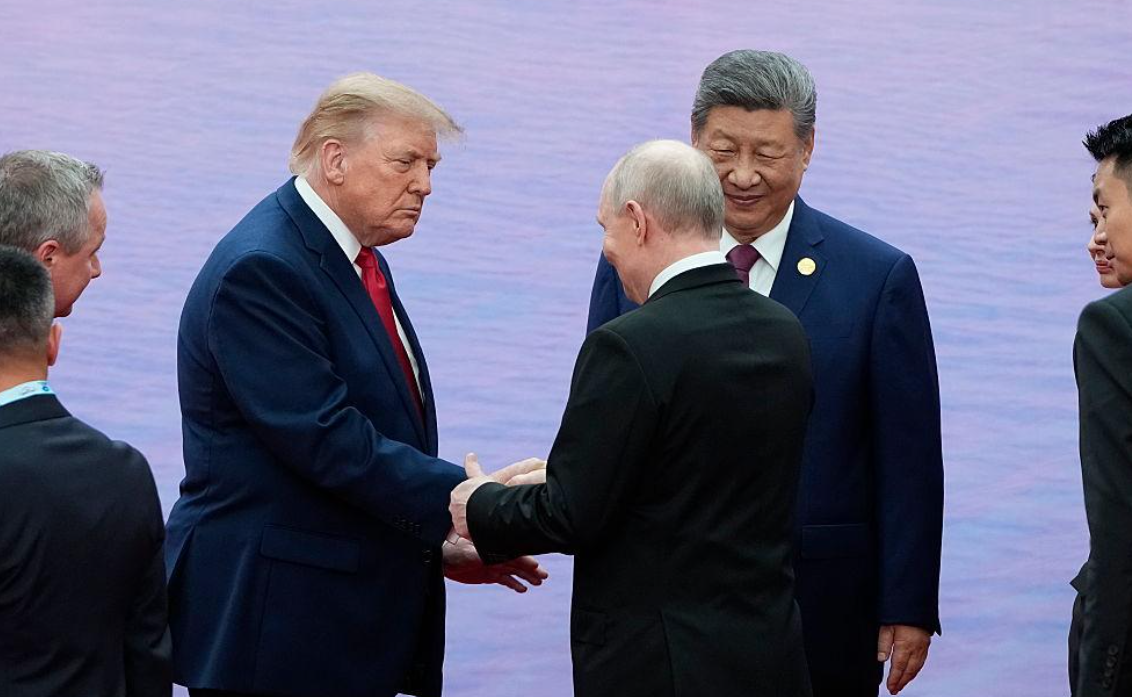
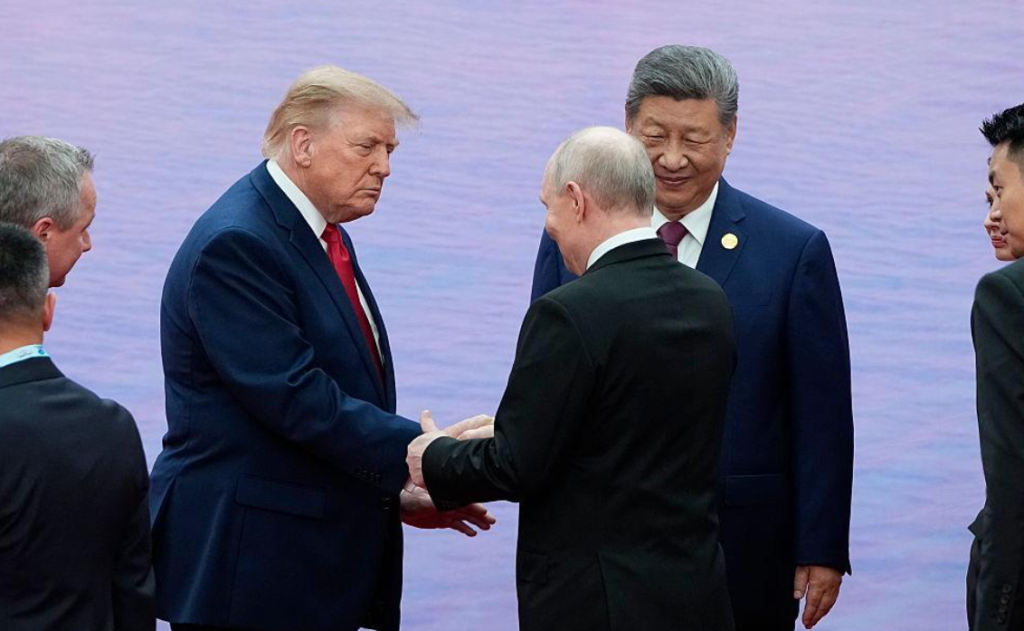
A major diplomatic development has captured international attention as United States President Donald Trump, Chinese President Xi Jinping and Russian President Vladimir Putin come together in Shenzhen, China, for an unprecedented trilateral summit on November 19, 2026. The meeting, held alongside the Asia-Pacific Economic Cooperation (APEC) gathering, brings together the leaders of three of the world’s most influential military, economic and nuclear powers.
The summit is particularly significant because it represents the first face-to-face trilateral meeting involving all three leaders. Their discussions come at a time when international relations are facing considerable pressure from ongoing military conflicts, disagreements over global trade, nuclear security concerns and competition over advanced technologies.
Nuclear weapons and global security at the centre
One of the most important subjects expected to dominate the discussions is nuclear arms control. President Trump has expressed interest in reducing nuclear stockpiles and exploring possibilities for a new international arms-control arrangement.
The issue has become increasingly important following the expiration of the New START treaty between the United States and Russia in February 2026. The agreement previously provided an important framework for limiting strategic nuclear weapons held by the two countries.
The absence of a replacement arrangement has raised questions about the future of international nuclear security.
China’s participation is particularly important because its nuclear capabilities have expanded in recent years. However, Beijing has historically been reluctant to participate in nuclear restrictions designed primarily around the much larger American and Russian arsenals.
Experts therefore believe that achieving a comprehensive agreement involving all three countries will be difficult.
Ukraine and Iran remain major diplomatic challenges
The Russia-Ukraine war is another major issue surrounding the summit. Russia’s continued military campaign and Ukraine’s resistance have created significant international security concerns.
Trump has repeatedly expressed his interest in bringing the conflict to an end. However, the positions of Moscow, Kyiv and Western governments remain substantially different.
The situation in Iran and the wider Middle East is also an important concern. Discussions about regional security, military escalation and international energy supplies could influence the broader diplomatic atmosphere.
There are concerns that decisions made by the world’s most powerful countries could affect nations that are not directly represented at the negotiating table.
Global trade and technology competition
Apart from security issues, the leaders are also operating against a complicated economic background.
Washington and Beijing continue to face disagreements over tariffs, agricultural purchases, semiconductor exports, artificial intelligence and access to critical minerals.
These issues are important because both countries play central roles in international manufacturing, technology development and global supply chains.
The meeting could provide an opportunity to reduce tensions and improve communication, although a major breakthrough should not be assumed.
What happens next?
The significance of the Shenzhen summit will depend on whether the three governments can translate diplomatic discussions into concrete commitments.
Even without a formal agreement, direct communication between the leaders could influence international relations, financial markets and future negotiations.
For the rest of the world, the central question is whether this meeting will contribute to greater stability or simply become another high-profile diplomatic gathering without substantial results.