Trump Heads to China for Trilateral Meeting With Xi Jinping and Vladimir Putin
|
Getting your Trinity Audio player ready...
|
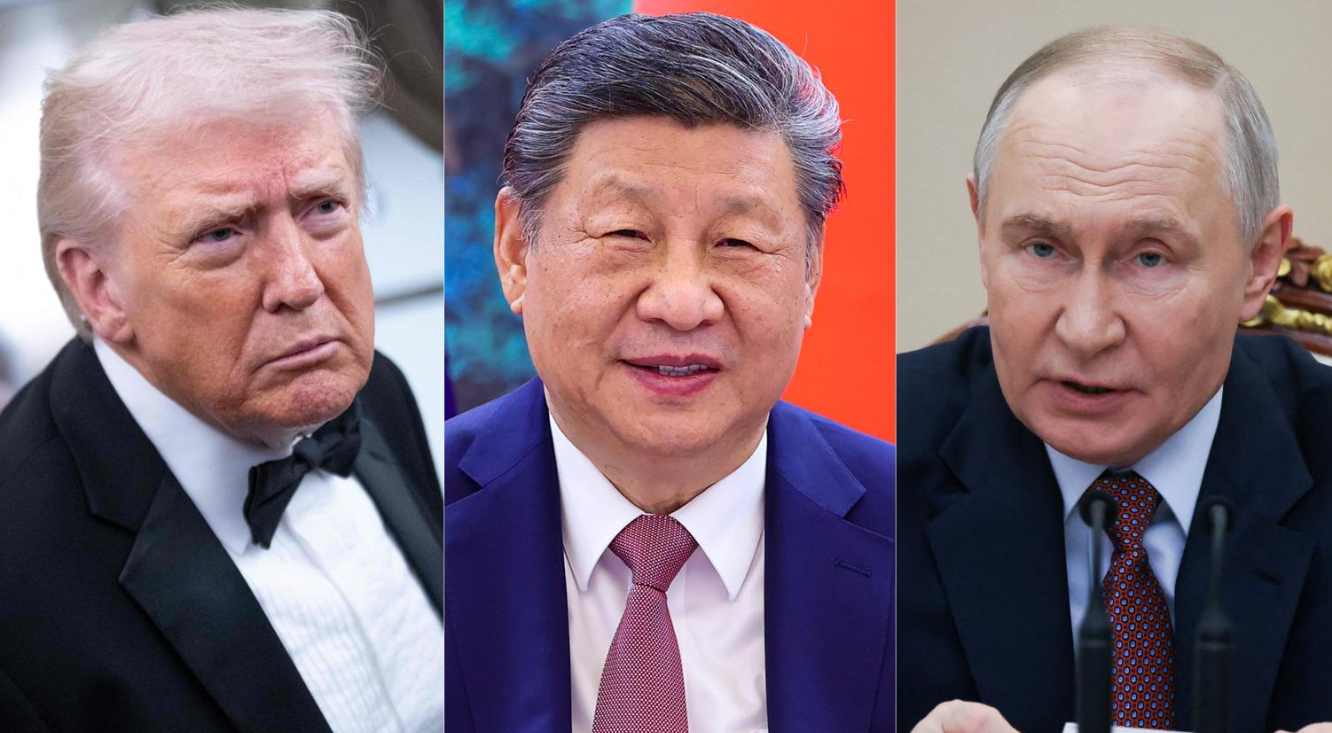
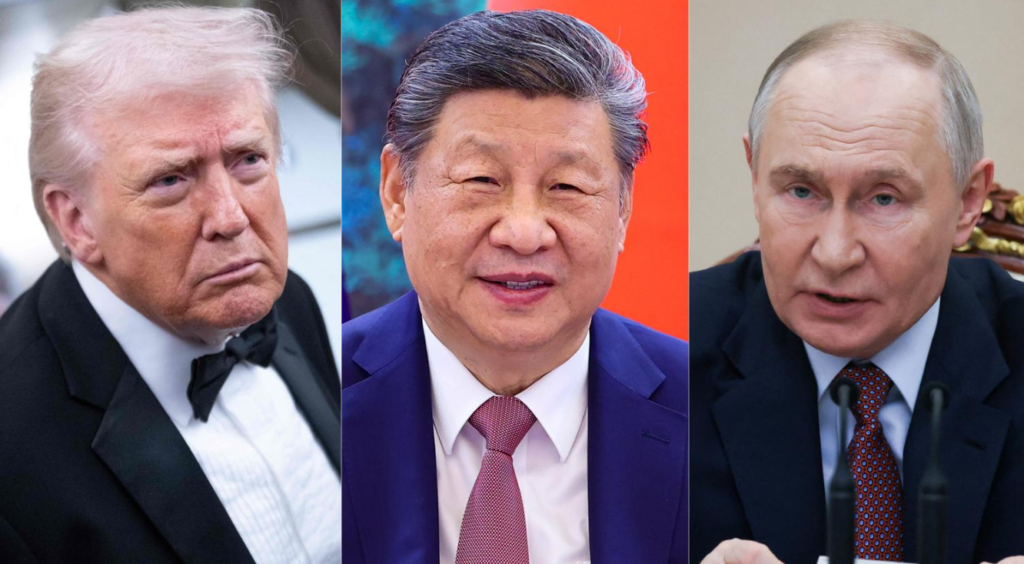
International diplomacy is entering a significant phase as United States President Donald Trump travels to China for high-level discussions involving Chinese President Xi Jinping and Russian President Vladimir Putin. The planned meetings are taking place against a backdrop of intensifying geopolitical competition, economic uncertainty, military tensions in several regions and growing disagreements over international trade, security and the future global order.
The meetings are expected to attract worldwide attention because of the political and economic influence exercised by the three countries. The United States, China and Russia are among the most powerful nations in the world, and decisions taken by their leaders could influence international markets, security arrangements, diplomatic relations and ongoing conflicts.
Trump’s visit comes as Washington seeks to strengthen its strategic position in Asia while maintaining dialogue with Beijing. China remains one of the United States’ most important economic partners and competitors. At the same time, relations between Washington and Moscow remain complicated by disagreements involving security, sanctions, military affairs and international conflicts.
The meeting in Shenzhen, a major Chinese technology and commercial hub, is particularly important because it brings international leaders together during the Asia-Pacific Economic Cooperation, or APEC, diplomatic environment.
Why the Meeting Is Important
The diplomatic engagement is being watched closely because it could provide an opportunity for the leaders to discuss a broad range of issues affecting the international community. These include global trade, tariffs, investment, military cooperation, regional security, technology competition and the future of international institutions.
For Washington, maintaining a strategic relationship with the Philippines and other regional partners remains an important part of its broader Indo-Pacific policy. The United States has continued to emphasize defence cooperation and regional security arrangements as it seeks to balance China’s growing influence.
China, meanwhile, is expected to focus on economic stability, international trade and its strategic interests in the Asia-Pacific region. Beijing has repeatedly expressed opposition to policies it considers protectionist and has called for greater cooperation among major economies.
Russia is also expected to use the diplomatic engagement to advance its international interests. Moscow has criticised Western sanctions and protectionist policies, while seeking opportunities to strengthen economic and political relationships with countries outside the Western alliance system.
United States and China: Competition With Economic Interdependence
The relationship between Washington and Beijing remains one of the defining international relationships of the 21st century. Although both countries compete in areas such as advanced technology, artificial intelligence, semiconductor production, defence, manufacturing and trade, they also remain deeply connected through global economic activity.
Businesses in both countries continue to depend on international supply chains. Major industries—including electronics, automobiles, energy, agriculture and manufacturing—are affected by policy decisions taken in Washington and Beijing.
A deterioration in relations could potentially affect investment decisions, manufacturing costs, consumer prices and global financial markets. On the other hand, diplomatic progress could create opportunities for trade negotiations and improved communication between the two governments.
The leaders’ meeting may therefore be closely monitored by investors, businesses and governments seeking indications of whether the world’s largest economies are moving toward greater cooperation or continued confrontation.
Defence Cooperation and the Indo-Pacific
The United States is also strengthening its security relationships in the Indo-Pacific region. Defence cooperation with countries including the Philippines has become an important part of Washington’s regional strategy.
The region is strategically important because of its maritime trade routes, energy transportation corridors, military installations and economic growth. The South China Sea, in particular, remains a sensitive area where several countries have overlapping territorial claims.
Washington’s defence partnerships are intended to support regional security and maintain access to strategic maritime routes. China, however, views some of these arrangements through the lens of its own security interests and regional influence.
The situation highlights the complexity of modern diplomacy: countries may simultaneously pursue economic cooperation while maintaining strategic competition.
Russia’s Role in the Emerging Global Order
Russia’s participation in discussions involving major global powers is also significant. Moscow continues to seek diplomatic engagement and economic partnerships while facing sanctions and political disagreements with Western governments.
Russian President Vladimir Putin has repeatedly criticised Western economic restrictions and argued that international economic relationships should not be dominated by a single group of countries. Russia has also sought stronger ties with Asian economies and other partners.
The meeting could provide an opportunity for discussions involving international security, trade, energy cooperation and diplomatic communication. However, major disagreements remain, and any breakthrough would depend on the willingness of the participating governments to make concessions.
What the World Is Watching
The international community will be closely monitoring statements released after the meetings. Even limited agreements or diplomatic signals could influence international markets and political discussions.
Observers will particularly look for announcements involving trade, economic cooperation, defence-related communication, regional security and the future of international relations.
The significance of the meeting lies not only in the possibility of agreements but also in the opportunity for direct communication between leaders of countries whose policies can influence global developments.
Conclusion
The planned meeting involving Donald Trump, Xi Jinping and Vladimir Putin represents an important moment in international diplomacy. With global trade, regional security, technological competition and geopolitical tensions continuing to shape the international environment, the outcome of the discussions could carry significance well beyond the Asia-Pacific region.
Whether the talks produce major agreements or simply maintain diplomatic communication, the meeting is likely to remain one of the most closely watched international developments of November 2026.