Retail Inflation Hits 6.09%, Wholesale Inflation Climbs to 12.29%
|
Getting your Trinity Audio player ready...
|
New Delhi, November 17, 2026: India’s latest inflation figures have raised concerns about the country’s economic outlook, with both retail and wholesale prices recording significant increases in October.
According to official government data, India’s retail inflation reached 6.09% in October 2026, exceeding the Reserve Bank of India’s upper tolerance limit of 6%.
Meanwhile, wholesale price inflation increased to 12.29%, compared with 11.39% in September.
The latest figures highlight the growing importance of energy prices, food costs and global commodity markets in determining India’s inflation outlook.
Retail inflation rises above the RBI’s tolerance limit
India measures retail inflation through the Consumer Price Index (CPI), which tracks changes in the prices of goods and services purchased by households.
The National Statistics Office released the October 2026 CPI data on November 12.
According to the official report, retail inflation stood at 6.09% on a year-on-year basis.
The RBI follows a medium-term inflation target of 4%, with a tolerance band of 2% to 6%.
The October reading therefore exceeded the upper end of this tolerance range.
This development is important because persistent inflation can affect household purchasing power, savings, consumer demand and monetary policy decisions.
Wholesale inflation increases to 12.29%
India’s wholesale inflation also accelerated significantly in October.
According to Reuters, the Wholesale Price Index inflation rate increased to 12.29% from 11.39% in September.
The October reading was the highest under the new WPI series introduced in June, which uses 2022–23 as its base year.
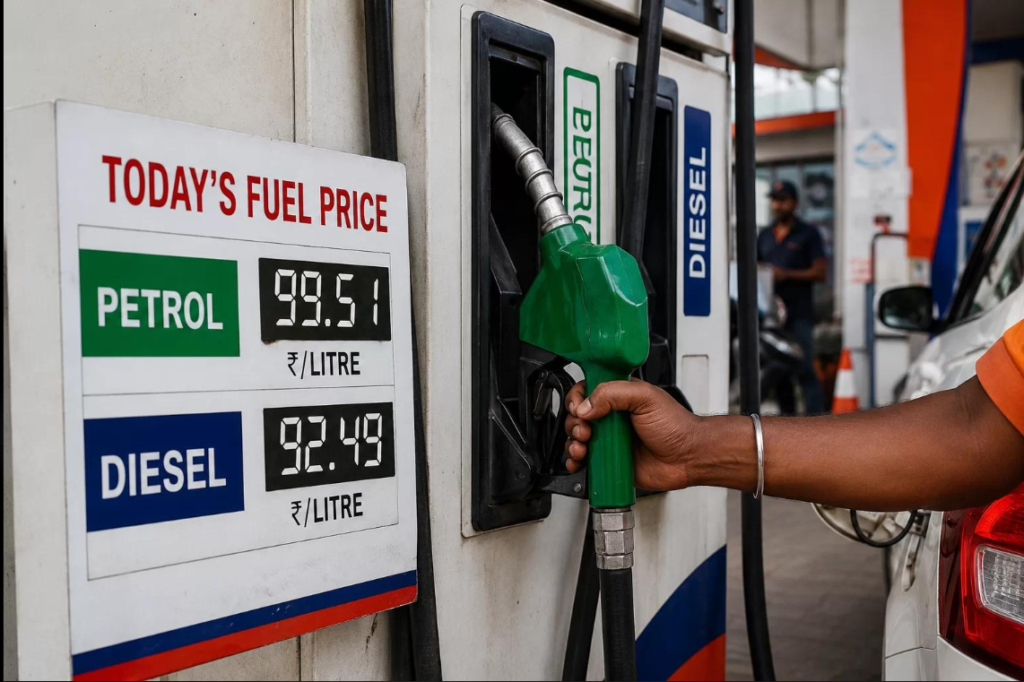
Fuel and power prices were the major contributors to the increase.
Inflation in the fuel and power category rose to 32.84% in October from 25.85% in September.
Crude petroleum and natural gas prices increased by 70.8% year on year.
The figures suggest that energy-related costs remain a major source of price pressure in the Indian economy.
Food inflation and its impact on households
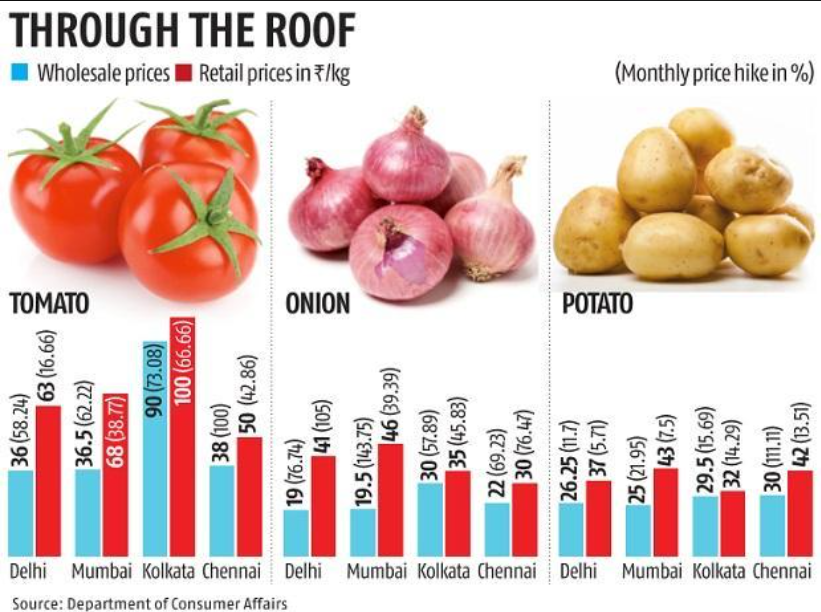
Food prices are particularly important because they account for a significant share of household expenditure.
According to the October CPI release, retail food inflation stood at 8.94%.
Reuters reported wholesale food inflation at 8.58%, slightly below September’s 8.66%.
These figures refer to different price indices and should not be treated as interchangeable.
Higher food prices can put additional pressure on household budgets, especially among lower-income families.
When essential items such as vegetables, cereals, cooking ingredients and other food products become more expensive, families may need to allocate a larger share of their monthly income to basic consumption.
Why crude oil prices matter to India
India relies significantly on imported energy resources to meet its domestic requirements.
Therefore, movements in international crude oil prices can influence the country’s import bill, transport costs, industrial production and broader economic conditions.
Higher energy prices can increase the cost of transporting goods, operating factories and producing various industrial products.
The impact may gradually spread across different sectors of the economy.
However, changes in international crude oil prices do not automatically translate into an immediate or proportionate change in domestic petrol and diesel prices. Taxes, government policies and marketing costs also influence retail fuel prices.
Will the RBI increase interest rates?
One of the most important questions following the latest inflation figures is whether the Reserve Bank of India may consider increasing interest rates.
The RBI’s monetary policy framework aims to maintain price stability while supporting sustainable economic growth.
When inflation exceeds the target range, the central bank may consider monetary policy measures to control excessive price pressures.
The repo rate is one of the key instruments available to the RBI.
An increase in the repo rate can raise borrowing costs for banks and may eventually affect certain categories of loans offered to customers.
This could influence home loans, vehicle loans and other forms of credit, depending on banking policies and loan structures.
However, an interest rate increase should not be treated as certain simply because inflation has risen in one month.
The RBI will also examine inflation trends, economic growth, global energy prices and domestic demand before making a policy decision.
Possible impact on home loans and EMIs
For households, interest rate changes are particularly important because they can influence the cost of borrowing.
If the RBI increases policy rates and banks pass on the increase to borrowers, customers with floating-rate loans may experience changes in their interest payments.
Home loan borrowers could face higher EMIs or longer repayment periods, depending on the terms of their loans.
However, borrowers should not assume that their EMIs will automatically increase without a corresponding change in lending rates.
Impact on businesses and industries
Higher energy and raw material costs can affect businesses across different sectors.
Manufacturing companies may face increased production expenses, while logistics and transport companies may experience higher operating costs.
Small and medium-sized businesses can be particularly vulnerable because they may have limited financial flexibility to absorb sudden increases in operating expenses.
Companies may respond by adjusting product prices, reducing expenses or accepting lower profit margins.
The extent of the impact will depend on the industry’s ability to manage rising costs and maintain demand.
India’s exports provide a positive economic signal
Despite the inflation concerns, India’s international trade figures show positive developments.
According to the Ministry of Commerce and Industry’s release dated November 13, 2026, India’s combined merchandise and services exports for October were estimated at $89.99 billion.
This represented an increase of 29.90% compared with October 2025.
Merchandise exports alone reached $49.47 billion, compared with $34.11 billion in October 2025.
Some of the major export categories included:
- Petroleum products: $8.89 billion.
- Electronic goods: $6.64 billion.
- Gems and jewellery: $3.21 billion.
- Organic and inorganic chemicals: $2.89 billion.
- Engineering goods: $12.74 billion.
Electronic goods exports increased by 62.70%, while engineering goods exports increased by 36.01% year on year.
These figures indicate strong growth in several important export sectors.
Imports and the trade deficit
India’s combined merchandise and services imports were estimated at $110.07 billion in October 2026.
The corresponding combined trade balance showed a deficit of approximately $20.09 billion.
A trade deficit occurs when the value of imports exceeds the value of exports during a particular period.
The country’s import requirements include energy resources, industrial inputs, machinery and other essential goods.
Therefore, the trade deficit must be analysed alongside export performance, energy costs and domestic industrial requirements.
What should consumers do during rising inflation?
During periods of higher inflation, households may benefit from reviewing their monthly budgets and prioritising essential expenditure.
Consumers should pay attention to their savings, debt obligations and recurring expenses.
People with existing loans should monitor communications from their banks regarding changes in lending rates.
Investment decisions should be based on individual financial circumstances rather than a single inflation report.
What could happen in the coming months?
India’s inflation outlook will depend on several factors, including international oil prices, food supply, weather conditions, transportation costs and domestic demand.
A moderation in global energy prices could help reduce some wholesale price pressures.
Similarly, improved agricultural supply and stable food prices could support a moderation in retail inflation.
However, continued increases in energy and essential commodity prices could maintain pressure on households and businesses.
The RBI’s upcoming monetary policy decisions and future CPI and WPI releases will therefore remain important indicators.
Conclusion
India’s October 2026 inflation data highlights the economic challenges facing households, businesses and policymakers.
Retail inflation reached 6.09%, while wholesale inflation climbed to 12.29%.
Higher fuel and energy prices were among the major contributors to the increase in wholesale inflation.
At the same time, India’s export performance showed considerable strength, offering a positive signal for the country’s external trade position.
The coming months will be important in determining whether inflationary pressures moderate or remain elevated.
Official Sources: Government of India CPI Report,