China’s Humanoid Robot Race: Next Industrial Revolution?
|
Getting your Trinity Audio player ready...
|
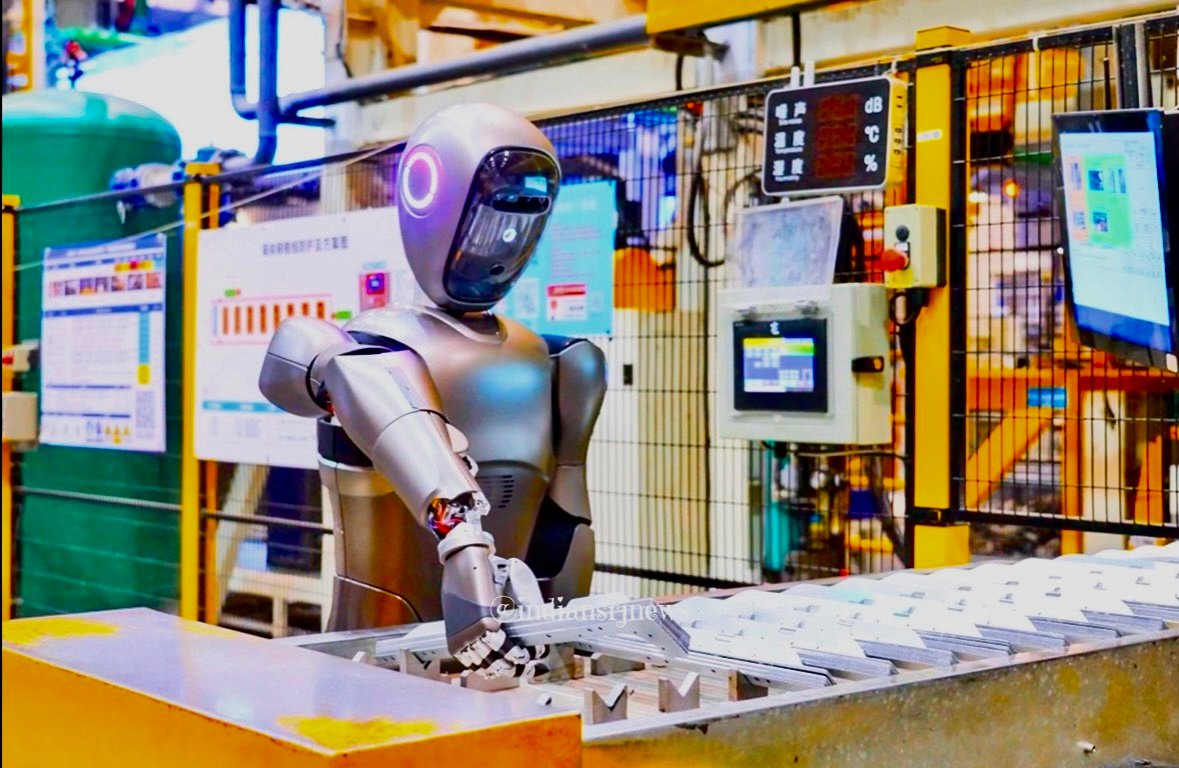
China is accelerating its humanoid robotics ambitions as technology companies shift their focus from making robots walk and move to teaching them to perform useful real-world tasks.
The Race to Build Human-Like Robots
The global robotics industry is entering a new phase as companies increasingly focus on humanoid robots capable of performing tasks traditionally handled by human workers. China is emerging as one of the major players in this rapidly developing industry. Several Chinese robotics companies are working to improve the intelligence, movement, coordination, and practical capabilities of humanoid machines. According to a Reuters report published on November 2, 2026, China’s robot makers have made significant progress in physical movement. However, the next major challenge is developing the intelligence that allows robots to understand their surroundings and perform complex tasks.
From Walking Robots to Intelligent Machines
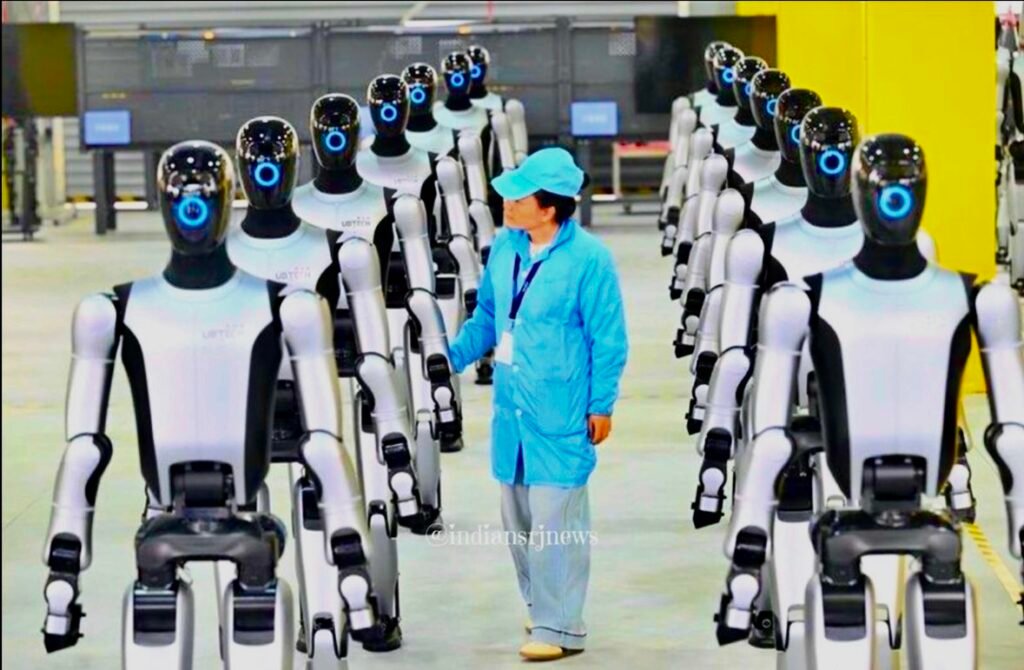
Earlier generations of humanoid robots were primarily designed to demonstrate basic movements such as walking, running, balancing and lifting objects.
The next generation is expected to go much further.
Companies are working towards robots that can:
- Work alongside humans in manufacturing facilities.
- Handle repetitive industrial operations.
- Move objects and perform warehouse tasks.
- Understand voice commands and their surroundings.
- Assist with selected household and service activities.
The biggest challenge is not simply making a robot look like a human. It is teaching the machine to understand different situations and respond correctly.
Why Is China Investing in Humanoid Robotics?
China has developed a strong manufacturing and electronics ecosystem, giving its robotics industry access to hardware suppliers, engineering capabilities and industrial testing environments.
The country is also competing to establish an early advantage in the next generation of automation technologies.
Humanoid robots could eventually become important in industries facing labour shortages, rising production costs and demand for greater efficiency.
However, widespread commercial adoption will depend on affordability, reliability, safety and the ability to perform useful tasks consistently.
Could Humanoid Robots Change the Future of Jobs?
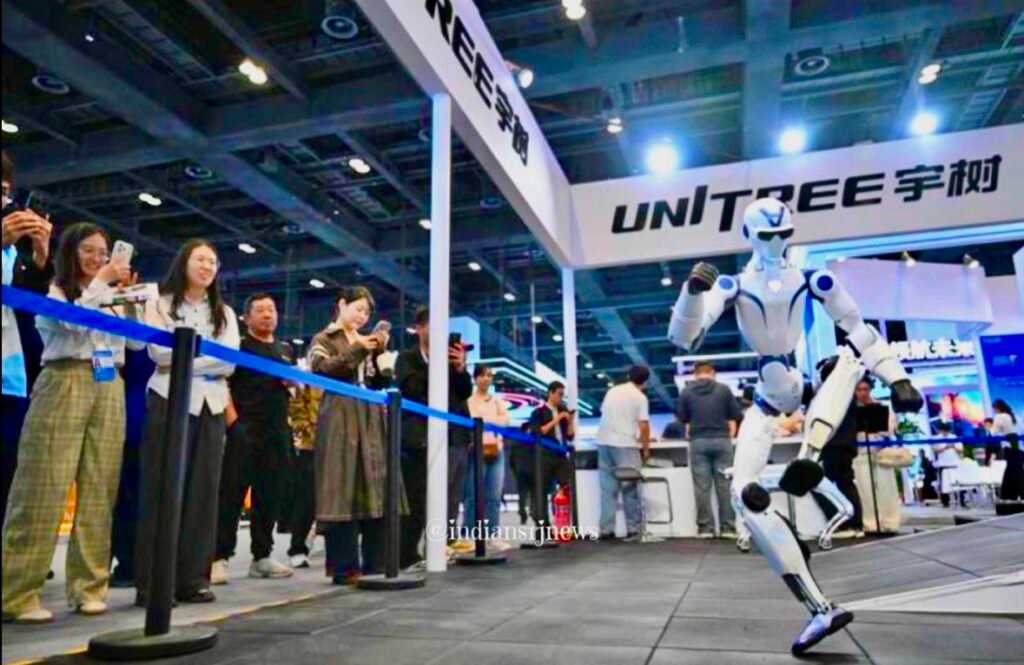
The development of humanoid robots could reshape several industries over the coming years.
Factories and warehouses may become early testing grounds, where robots can perform repetitive or physically demanding activities. Healthcare, hospitality, and household assistance could become longer-term applications.
At the same time, the expansion of robotics raises important questions about employment, worker training, safety and the future relationship between humans and machines.
The Next Big Technology Revolution?
The competition in humanoid robotics is no longer just about building machines that look futuristic. It is increasingly about creating robots that can operate in the real world.
As China and other technology-leading countries accelerate research and development, humanoid robots could become one of the defining technologies of the next industrial revolution.
The question is no longer whether robots can walk like humans. The bigger question is: How much of the real world will they eventually be able to work in?