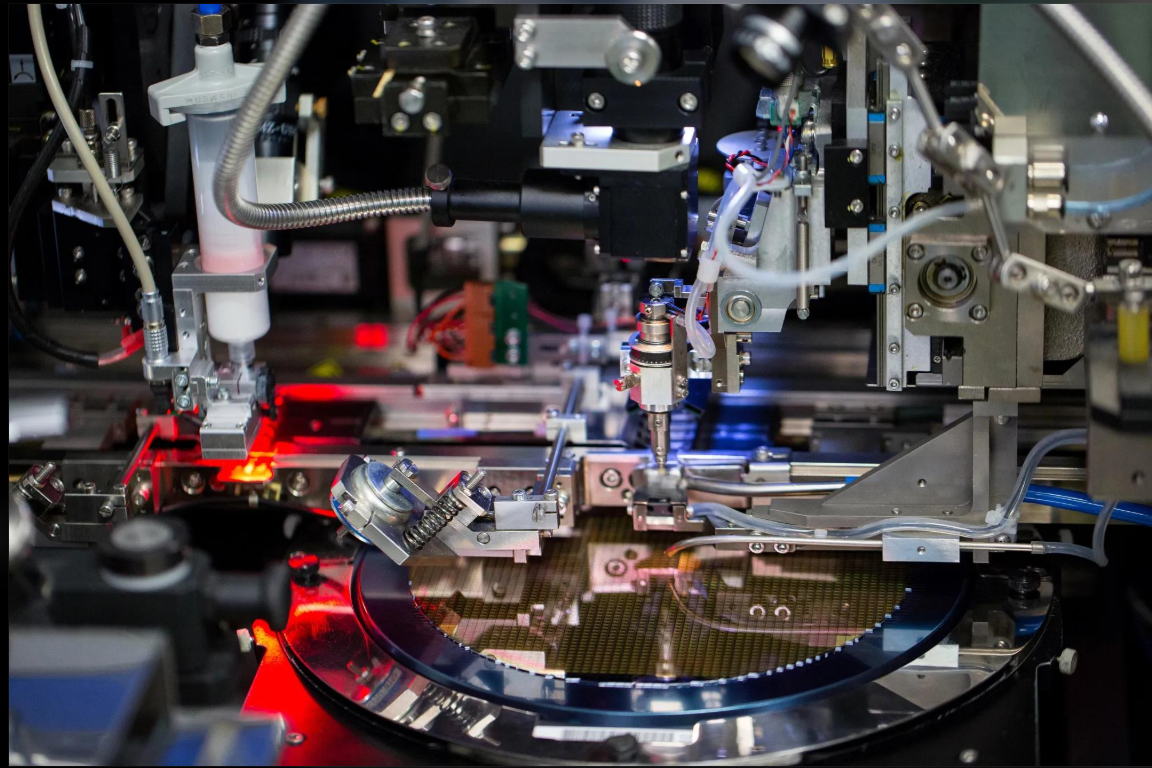
Why the World Is Racing to Control the Future of Chips
|
Getting your Trinity Audio player ready...
|
The Global Battle for the World’s Most Powerful Chips
The global technology industry is entering a new era of competition as countries and major technology companies race to secure control over semiconductor manufacturing. These tiny electronic components have become essential to almost every modern technology, from smartphones and computers to artificial intelligence, electric vehicles, defence systems and advanced data centres.
Semiconductors, commonly known as chips, are increasingly being treated as strategic resources. The growing demand for artificial intelligence has made the competition even more intense, pushing governments and corporations to invest billions of dollars in advanced chip manufacturing and research.
Why Have Semiconductors Become So Important?
Semiconductors are the foundation of modern electronic devices. They process information, control hardware, and enable machines to perform complex operations.
The rapid expansion of AI has created demand for specialised processors capable of handling enormous amounts of data. Advanced GPUs, high-bandwidth memory and other specialised chips are now critical components of AI infrastructure.
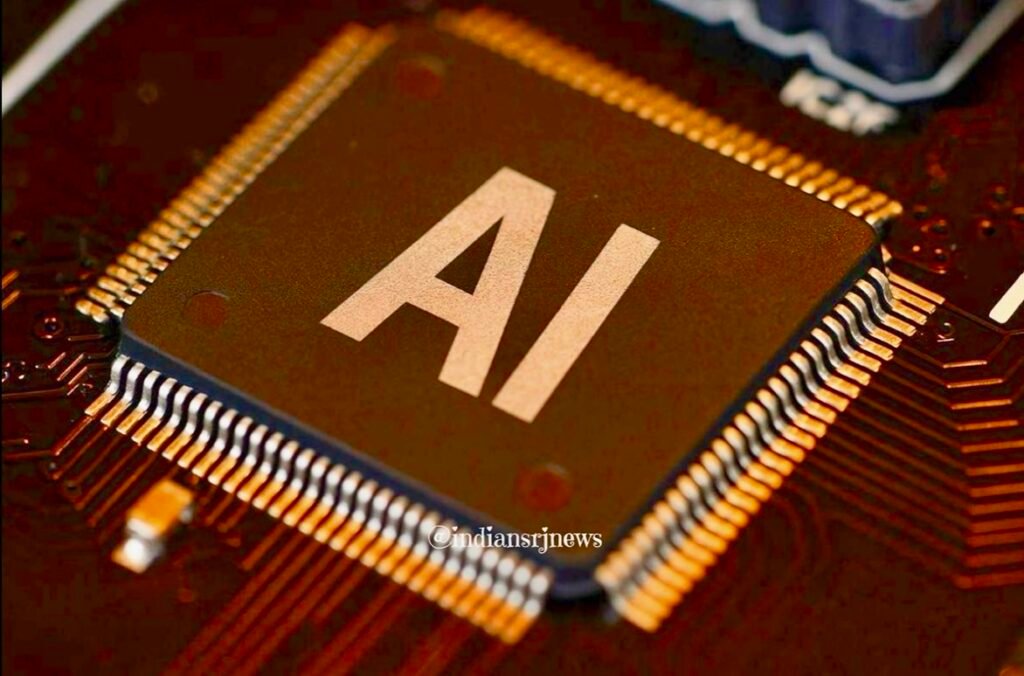
The Global Battle for the World’s Most Powerful Chips
The global technology industry is entering a new era of competition as countries and major technology companies race to secure control over semiconductor manufacturing. These tiny electronic components have become essential to almost every modern technology, from smartphones and computers to artificial intelligence, electric vehicles, defence systems and advanced data centres.
Semiconductors, commonly known as chips, are increasingly being treated as strategic resources. The growing demand for artificial intelligence has made the competition even more intense, pushing governments and corporations to invest billions of dollars in advanced chip manufacturing and research.
Why Have Semiconductors Become So Important?
Semiconductors are the foundation of modern electronic devices. They process information, control hardware and enable machines to perform complex operations.
The rapid expansion of AI has created demand for specialised processors capable of handling enormous amounts of data. Advanced GPUs, high-bandwidth memory and other specialised chips are now critical components of AI infrastructure.
According to Deloitte’s 2026 Global Semiconductor Industry Outlook, worldwide semiconductor sales could reach approximately $975 billion in 2026, reflecting the growing importance of AI infrastructure.
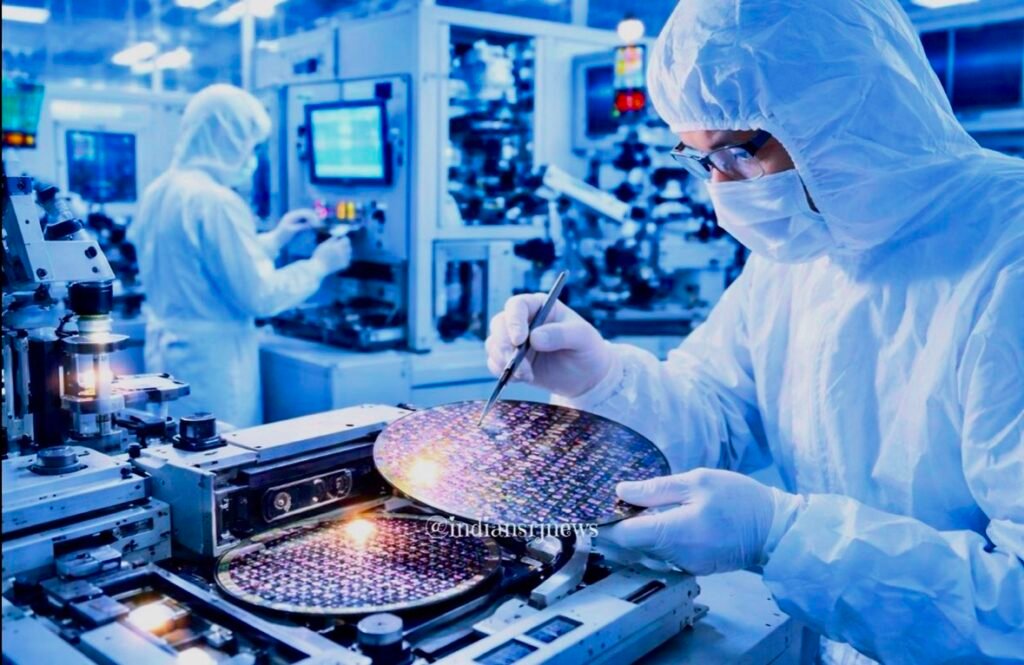
The United States, China and Taiwan: A Global Technology Competition
The semiconductor industry is heavily influenced by competition between major economic and technological powers.
The United States is working to strengthen domestic chip manufacturing and reduce dependence on overseas supply chains. American companies such as Nvidia and Intel remain important players in the global semiconductor ecosystem.
China is also investing heavily in domestic semiconductor capabilities as it seeks to strengthen its technological independence and reduce reliance on foreign suppliers.
Meanwhile, Taiwan remains central to the global industry because of its advanced manufacturing capabilities.
Taiwan Semiconductor Manufacturing Company (TSMC) is one of the world’s most important chip manufacturers. It produces advanced processors for several major technology companies.
In October 2026, Reuters reported that TSMC was expected to record another strong quarterly performance, supported by growing demand for AI chips and advanced packaging technology. The company has also been expanding its manufacturing investment in the United States.
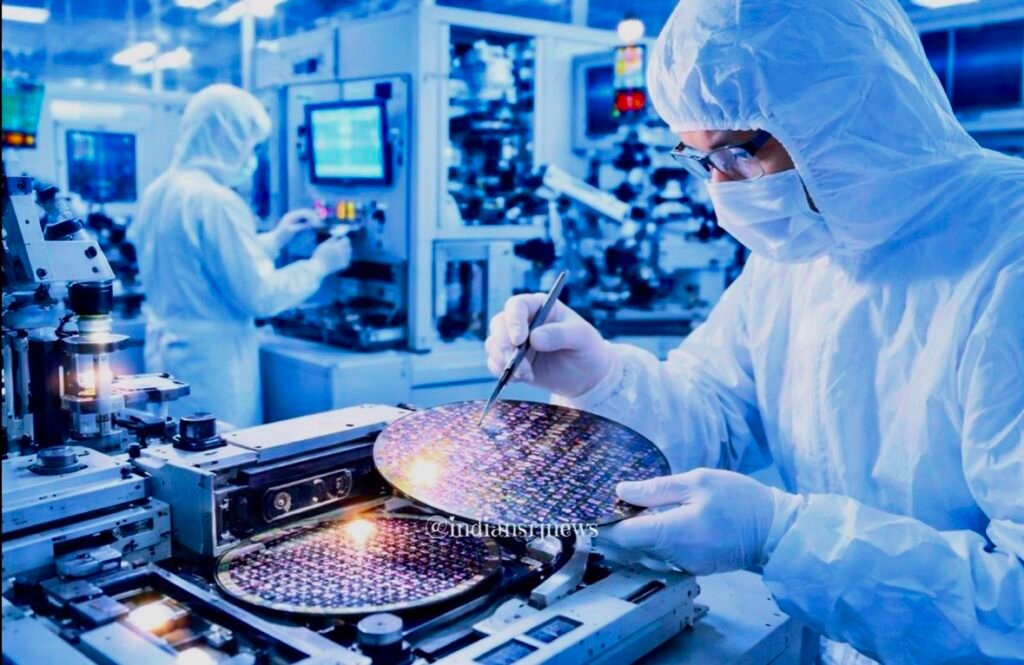
Samsung, Intel and Nvidia: The Companies Shaping the Industry
The global semiconductor race is not limited to governments. Major technology companies are competing to develop more powerful and efficient processors.
- Nvidia: A major supplier of GPUs used in AI training and data centres.
- Intel: Working to strengthen its advanced chip manufacturing and processor business.
- Samsung: Expanding its semiconductor and memory technology capabilities.
- TSMC: Manufacturing advanced chips for leading global technology companies.
South Korea’s Samsung Electronics has also reported record financial results in 2026, supported by strong demand for memory chips used in AI systems. AP News
The Economic and Geopolitical Impact
Semiconductors have become more than just an electronics industry. They are now closely connected to national security, international trade and economic competitiveness.
Disruptions in chip supplies can affect automobile production, consumer electronics, telecommunications and other critical industries.
Governments are therefore increasingly looking at semiconductor manufacturing as a strategic priority, encouraging domestic production, research and international partnerships.
What Does the Future Hold?
The next phase of semiconductor competition will likely focus on smaller and more efficient chips, advanced packaging, specialised AI processors and next-generation memory technologies.
As artificial intelligence continues to expand, the companies capable of designing and manufacturing advanced semiconductors will play a significant role in shaping the future of the global technology economy.
The world’s biggest technology competition is no longer just about who builds the smartest software. It is also about who controls the chips that make that intelligence possible.