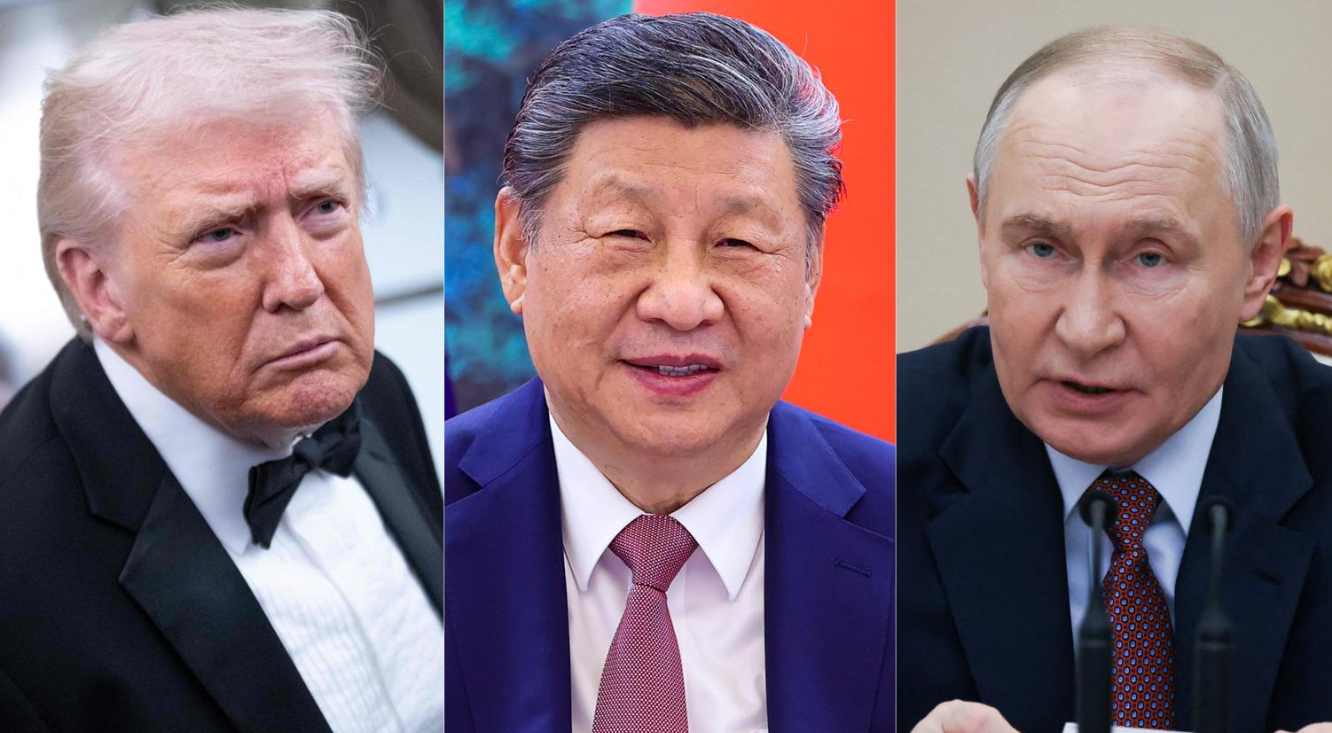
Trump, Xi and Putin to Hold Historic Shenzhen Summit
|
Getting your Trinity Audio player ready...
|
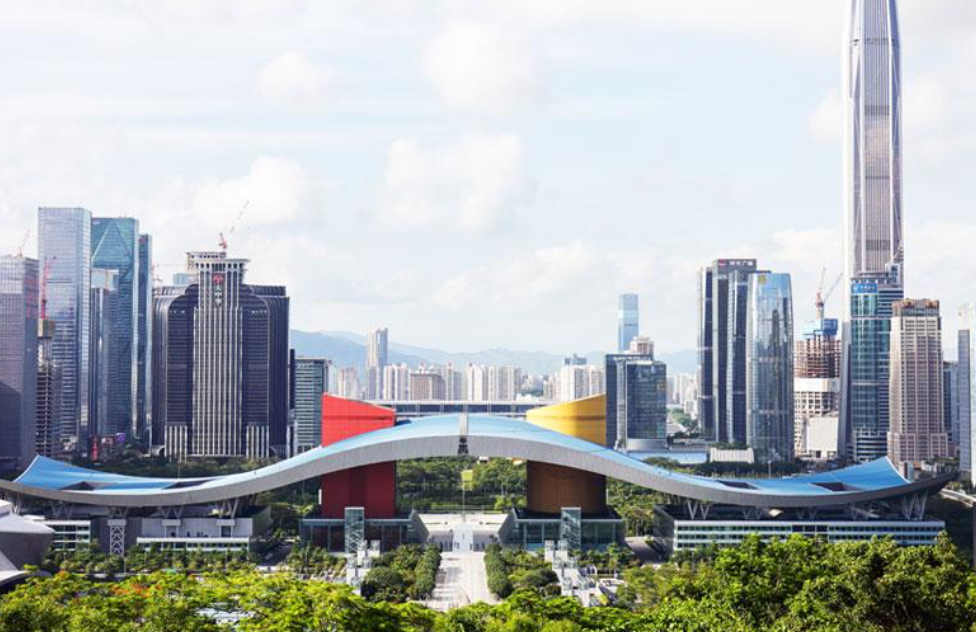
SHENZHEN/WASHINGTON/MOSCOW, November 16, 2026: The international political landscape is approaching a potentially significant diplomatic moment as the leaders of the United States, China and Russia prepare for an unprecedented three-way meeting on the sidelines of the Asia-Pacific Economic Cooperation (APEC) summit in Shenzhen, China.
US President Donald Trump, Chinese President Xi Jinping and Russian President Vladimir Putin are scheduled to meet on Thursday, November 19, according to announcements from the three governments.
The proposed gathering is attracting considerable international attention because it would bring together the leaders of three major nuclear powers in a single face-to-face trilateral meeting.
The discussions are expected to cover international security, nuclear stability, strategic relations and broader global challenges. However, officials have not announced a complete agenda, and expectations of immediate agreements remain uncertain.
The meeting is also taking place during a complicated period for international relations. Washington and Beijing are attempting to preserve a fragile trade understanding; relations between the United States and Russia remain strained, and the ongoing conflict involving Iran is adding further pressure to global security.
The APEC summit therefore provides an important diplomatic setting for discussions that could influence international relations well beyond the Asia-Pacific region.
1. Why Is the Shenzhen Meeting Important?
The proposed meeting is significant because the United States, China and Russia occupy central positions in global political, economic and military affairs.
The three countries possess major nuclear arsenals, have substantial influence over international institutions and play important roles in global trade, energy markets and security arrangements.
Although their leaders have met individually on previous occasions, a joint meeting involving all three is unusual.
The gathering could provide an opportunity to discuss issues that are difficult to resolve through separate bilateral negotiations.
For Washington, maintaining strategic stability with China and Russia is an important consideration, particularly as nuclear weapons and advanced military technologies continue to evolve.
For Beijing, the summit offers an opportunity to demonstrate China’s diplomatic influence and present itself as an important participant in international problem-solving.
For Moscow, participation provides an opportunity to engage directly with Washington and Beijing at the highest political level.
However, a meeting between the three leaders does not automatically mean that their governments have reached an agreement. Their strategic interests remain different in several important areas.
2. Nuclear Arms Control Expected to Be a Major Issue
One of the most important subjects expected to feature in the discussions is nuclear security.
The international nuclear arms control framework has faced growing pressure in recent years.
The expiration of the last US-Russia nuclear arms treaty in February 2026 has created additional uncertainty about the future of strategic arms limitations.
Washington has expressed interest in a new arrangement that would also involve China.
The United States argues that any future framework should reflect the changing global nuclear environment.
China, however, has historically maintained that its nuclear arsenal is significantly smaller than those of the United States and Russia. Beijing has shown limited interest in joining an arms control arrangement that places the three countries under identical restrictions.
This difference creates a major diplomatic challenge.
The Shenzhen meeting could provide an opportunity to discuss whether a future framework is possible and what conditions would be necessary.
Potential subjects include nuclear transparency, communication between military authorities, reducing the risk of accidental escalation and maintaining strategic stability.
Even if the leaders do not announce a formal agreement, discussions could help identify areas where diplomatic cooperation remains possible.
3. US-China Trade Relations Remain Under Pressure
Trade relations between Washington and Beijing are another important factor shaping the summit.
The world’s two largest economies are deeply connected through manufacturing, technology, investment and international supply chains.
However, disagreements over tariffs, advanced semiconductor exports, industrial subsidies and market access have repeatedly created tension.
Both countries have economic reasons to avoid a renewed escalation.
American businesses depend on international supply chains, while Chinese manufacturers rely on access to overseas markets and advanced technologies.
The fragile trade understanding between Washington and Beijing is therefore an important issue.
The Shenzhen summit could provide an opportunity for both leaders to discuss ways to preserve existing arrangements and prevent additional economic disruption.
However, substantial disagreements remain, particularly over advanced artificial intelligence chips and restrictions on sensitive technologies.
4. Advanced Technology and the Semiconductor Dispute
Technology is becoming one of the most important areas of strategic competition between the United States and China.
Semiconductors are essential components in modern computing, smartphones, electric vehicles, artificial intelligence systems and advanced defence equipment.
Washington has imposed restrictions on China’s access to certain advanced semiconductor technologies, citing national security concerns.
Beijing has criticised these restrictions and argued that they are intended to restrict China’s technological development.
The issue has become even more sensitive following controversy involving Nvidia chief executive Jensen Huang.
Recent reporting has described scrutiny surrounding alleged connections between a suspected Chinese intelligence figure and the technology executive. These allegations have added another layer of political sensitivity to the US-China relationship.
According to Associated Press reporting, US officials do not currently plan to make the controversy a central subject of Trump’s discussions with Xi.
Nevertheless, semiconductor exports and technology restrictions remain important matters for both governments
5. Russia’s Role and the Ukraine Question
Russia’s participation is another important dimension of the proposed summit.
Relations between Washington and Moscow remain complicated by the war in Ukraine, sanctions and disagreements over European security.
According to Associated Press reporting, the proposed trilateral discussions are expected to concentrate on nuclear issues rather than negotiations over Ukraine.
This distinction is important because Ukraine remains one of the most difficult issues in international diplomacy.
European governments and Ukraine itself have repeatedly emphasised that decisions affecting the country’s future should not be made without its participation.
The Shenzhen meeting could therefore generate questions about the relationship between great-power diplomacy and the interests of countries directly affected by international conflicts.
Russia may seek to use the meeting to strengthen its diplomatic position, while China may emphasise its ability to maintain dialogue with both Washington and Moscow.
6. APEC 2026 and China’s Economic Diplomacy
The meeting is taking place alongside the APEC summit in Shenzhen.
APEC is a regional economic forum that brings together economies across the Asia-Pacific region.
Its agenda traditionally focuses on trade, investment, regional cooperation and economic development.
The 2026 summit is especially important because global supply chains are undergoing significant changes.
Companies are reconsidering manufacturing locations, governments are investing in strategic industries and competition over advanced technologies is increasing.
China is seeking to strengthen its role in international trade and regional economic cooperation.
The presence of major business representatives and political leaders at the summit could provide opportunities for discussions on supply-chain resilience, digital trade and green economic development.
7. What Could the Summit Mean for the Global Economy?
The outcome could influence international markets even without a major agreement.
If the leaders demonstrate a willingness to maintain dialogue, it could reduce uncertainty surrounding major-power relations.
A stable relationship between Washington and Beijing is particularly important for global manufacturing and technology companies.
Similarly, progress in nuclear discussions could improve confidence in international security arrangements.
However, any serious disagreement during the meeting could have the opposite effect.
Investors, businesses and governments will be watching closely for statements concerning tariffs, sanctions, energy security and nuclear policy.
8. What Happens Next?
The immediate focus is on the scheduled Thursday meeting on November 19.
Diplomatic officials are expected to continue preparing for the discussions alongside the broader APEC programme.
The important questions will be whether the leaders can identify common ground, whether they issue a joint statement and whether any future diplomatic process is established.
A single meeting is unlikely to resolve all existing disagreements.
Nevertheless, bringing the three leaders together represents an important diplomatic development at a time when global security and economic relations remain under pressure.
Conclusion
The planned Shenzhen summit between Donald Trump, Xi Jinping and Vladimir Putin could become one of the most closely watched diplomatic events of November 2026.
Its importance lies not only in the participation of three powerful leaders but also in the range of issues that could shape their discussions.
Nuclear security, trade relations, semiconductor competition and strategic stability will all influence the wider diplomatic environment.
Whether the meeting produces concrete agreements or remains primarily symbolic, its outcome will be closely examined by governments, international institutions and global markets.
The world will be watching to see whether the three leaders can turn an unprecedented diplomatic gathering into a meaningful opportunity for international cooperation.