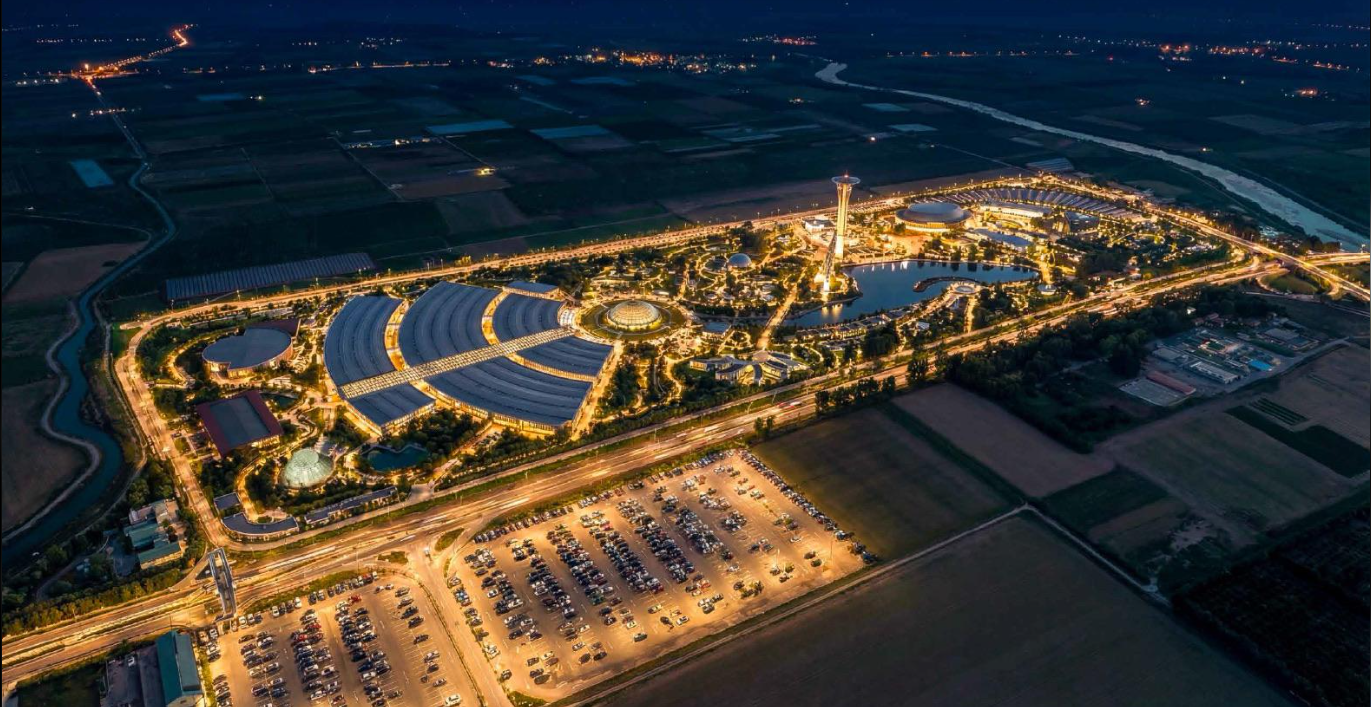
COP31 Climate Summit Opens in Antalya, Türkiye
|
Getting your Trinity Audio player ready...
|
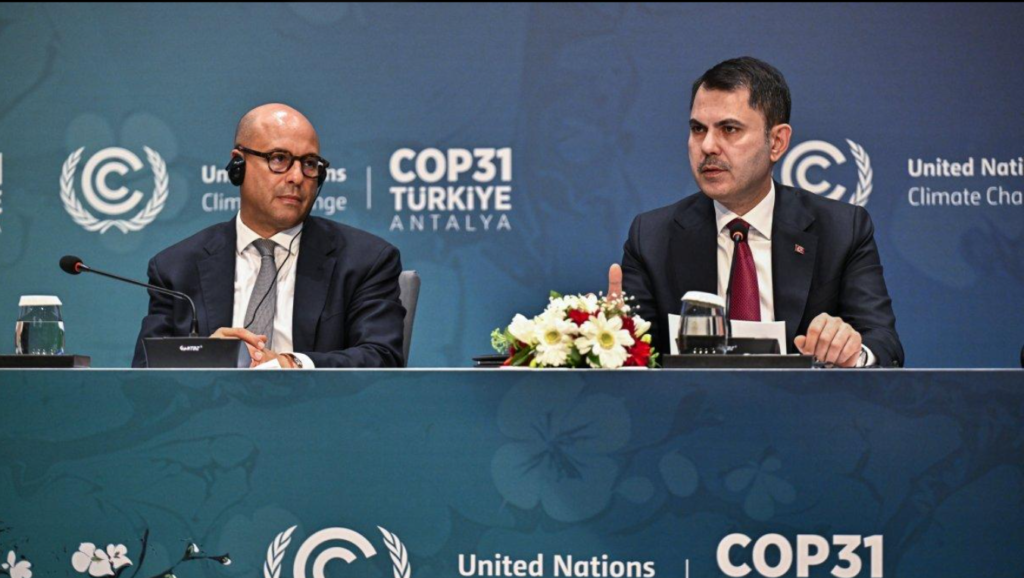
Antalya, November 9, 2026: The 31st United Nations Climate Change Conference, known as COP31, has officially begun in Antalya, Türkiye, bringing together countries and international stakeholders to discuss the growing challenges of climate change and the future of global environmental cooperation.
The conference is scheduled to take place from November 9 to November 20, 2026, under the framework of the United Nations Framework Convention on Climate Change (UNFCCC).
The summit comes at a time when countries are facing increasing pressure to reduce greenhouse gas emissions, accelerate the transition towards cleaner energy and strengthen their ability to deal with extreme weather events.
Climate change has become a major international concern, affecting agriculture, water resources, public health, infrastructure and economic development across different regions.
What Is COP31?
COP31 stands for the 31st Conference of the Parties to the United Nations Framework Convention on Climate Change.
The annual climate conference brings together governments that are parties to the UN climate convention. Representatives discuss international climate commitments, emission reduction strategies, climate finance and adaptation measures.
The conference provides an important platform for countries to review progress, negotiate policies and strengthen international cooperation.
Decisions made through the COP process can influence national climate policies, international financing priorities and future environmental commitments.
Why Is the 2026 Climate Summit Important?
The world is experiencing increasingly serious climate-related challenges, including heatwaves, floods, droughts, wildfires and rising pressure on water resources.
Developing countries are particularly concerned about the financial and technological support required to manage climate impacts.
COP31 provides an opportunity for governments to discuss how international climate commitments can be translated into practical action.
The summit also takes place amid growing concerns about energy security and the need to balance economic development with environmental protection.
Renewable Energy and the Global Energy Transition
One of the major subjects expected to receive attention at COP31 is the transition from fossil fuels towards cleaner sources of energy.
Solar, wind, hydropower and other low-carbon technologies are becoming increasingly important in national energy strategies.
Countries are exploring ways to increase renewable energy capacity while ensuring reliable and affordable electricity supplies.
The challenge is particularly significant for developing economies, where energy demand continues to grow alongside industrialisation and urbanisation.
Climate Finance: A Key Issue for Developing Nations
Climate finance remains one of the most important subjects in international climate negotiations.
Developing countries argue that they require financial assistance to strengthen climate resilience, protect vulnerable communities and invest in cleaner technologies.
Funding is also needed for infrastructure projects that can withstand floods, extreme heat and other climate-related risks.
International negotiations at COP31 are expected to focus on strengthening cooperation between developed and developing countries and improving the implementation of climate finance commitments.
India’s Role in Global Climate Discussions
India is an important participant in international climate negotiations because of its large population, growing energy requirements and renewable energy ambitions.
The country has been expanding its solar and wind energy capacity while also focusing on energy security and economic development.
For India, international climate discussions involve balancing the need for affordable energy with the long-term objective of reducing emissions.
Issues such as climate finance, technology transfer, adaptation and equitable development remain particularly relevant to India’s climate priorities.
What Happens Next?
COP31 will continue through November 20, bringing governments and other stakeholders together for negotiations, discussions and climate-related initiatives.
The effectiveness of the conference will depend on whether countries can translate their commitments into measurable action.
As climate risks continue to affect communities around the world, COP31 represents an important opportunity to strengthen international cooperation and accelerate the transition towards a more sustainable future.