Egypt Train Collision – Seven Killed, 125 Injured
|
Getting your Trinity Audio player ready...
|
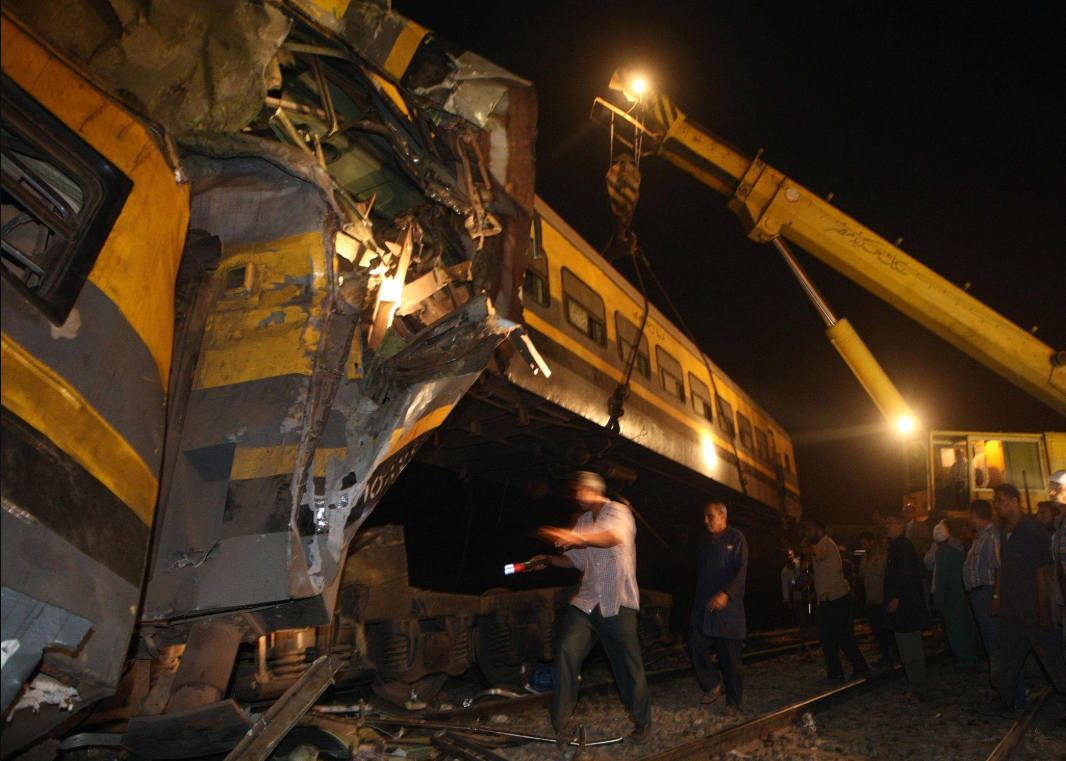
Cairo, November 9, 2026: A major railway accident in Egypt has left at least seven people dead and more than 125 injured after two passenger trains collided in the Al-Ayyat district of Giza Governorate, south of Cairo.
According to Egyptian authorities and reports published on November 9, the accident occurred on Sunday when a train travelling from Giza towards Fayoum struck the rear of another passenger train that was stationary on the same railway track while travelling from Cairo towards Aswan.
The impact caused serious damage to the trains, leaving several passengers trapped inside damaged coaches. Emergency teams, ambulances and rescue personnel were deployed to the accident site to assist injured passengers and transport them to nearby hospitals.
The incident has once again drawn international attention to railway safety and infrastructure challenges in Egypt, a country where passenger rail services remain an important part of everyday transportation.
How Did the Train Collision Happen?
Initial information from authorities indicates that the accident involved two passenger trains operating on the same railway track in the Al-Ayyat area, approximately 52 kilometres south of Cairo.
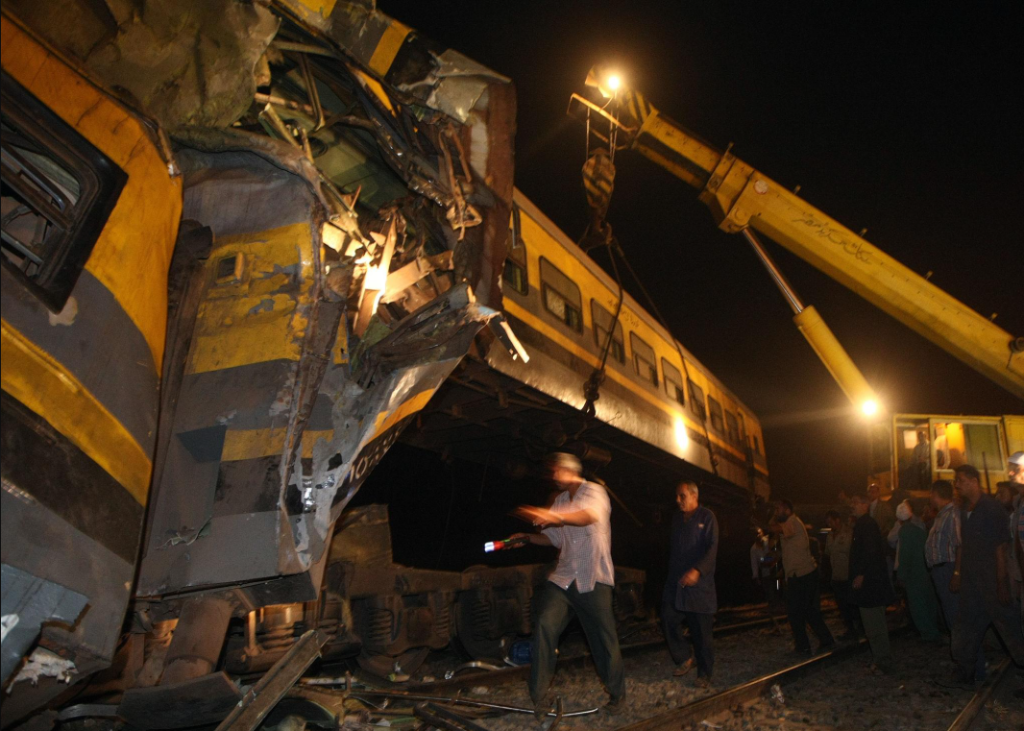
One train was travelling from Giza towards Fayoum when it struck the rear of a stationary Cairo-to-Aswan train.
The collision caused significant damage to the affected coaches. Several passengers were reportedly trapped inside the damaged compartments, requiring emergency rescue operations.
Authorities are investigating how two trains came to occupy the same track and whether signalling, communication or operational failures contributed to the accident.
The exact technical cause has not yet been established publicly.
Seven Dead, More Than 125 Injured
Egyptian authorities confirmed that at least seven people, including a train conductor, lost their lives in the accident. At least 125 others sustained injuries.
Emergency medical teams transported injured passengers to hospitals for treatment. According to reports, more than 70 injured passengers were subsequently discharged after receiving medical attention.
The death toll and number of injured passengers may change as authorities complete identification and medical assessments.
Rescue personnel also worked to clear damaged railway coaches and restore normal operations on the affected railway section.
Investigation Ordered Into the Accident
Egypt’s Chief Prosecutor has launched an investigation into the collision to determine the circumstances that led to the accident.
President Abdel-Fattah el-Sissi has also called for a prompt investigation into the incident.
Investigators are expected to examine railway operations, signalling systems, communication procedures and the condition of the affected trains.
The findings will be important in establishing responsibility and identifying measures to prevent similar accidents in the future.
Railway Safety Remains a Major Concern in Egypt
Railway transportation plays a crucial role in Egypt, connecting major cities and allowing millions of passengers to travel across the country.
However, railway safety has remained a long-standing challenge. Previous accidents have raised concerns about maintenance, signalling, infrastructure and operational management.
The government has announced railway modernisation initiatives over the years, including investment in new trains, signalling technology and infrastructure improvements.
Despite these efforts, major accidents continue to highlight the importance of consistent safety enforcement and effective railway management.
What Happens Next?
The immediate priorities remain medical assistance for injured passengers, identification of victims, restoration of railway services and a comprehensive investigation into the collision.
The findings of the investigation could influence future railway safety measures and operational procedures across Egypt.
The accident serves as another reminder that modern railway infrastructure must be supported by reliable signalling systems, regular maintenance, trained personnel and strict safety standards.