India Records Nearly 75% Decline in Villages Without 4G Connectivity
|
Getting your Trinity Audio player ready...
|
New Delhi: India has made significant progress in expanding mobile connectivity across rural and underserved areas, with the number of villages without 4G coverage declining by nearly 75% over four years.
According to the Department of Telecommunications, the number of villages without 4G connectivity decreased from 45,180 in 2022 to 11,372 in 2026.
The progress has been supported by the government’s 4G Saturation Project, which aims to connect previously underserved villages across the country.
What Is the 4G Saturation Project?
The 4G Saturation Project was designed to expand mobile connectivity to 24,680 previously unconnected villages.
The programme focuses on remote and underserved areas where geographical conditions and infrastructure limitations have historically restricted access to telecommunications services.
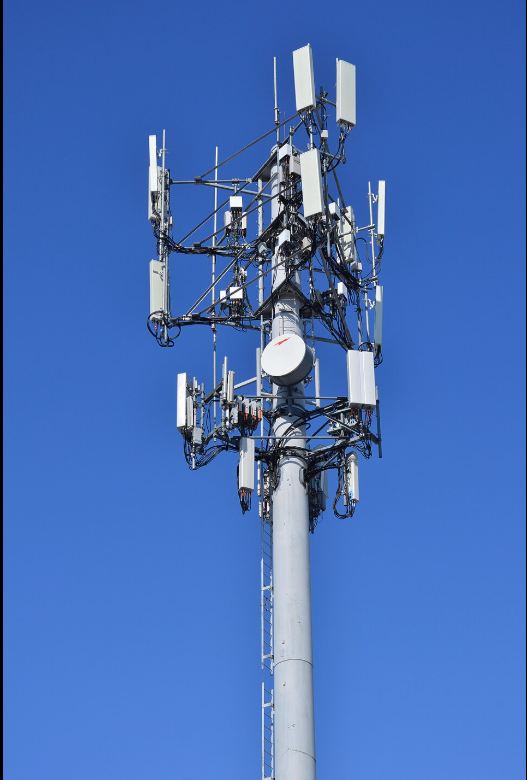
BSNL has played an important role in the rollout, alongside private telecom service providers.
BSNL Activates 18,291 Mobile Sites
According to official government information, BSNL has commissioned 18,291 mobile network sites under the 24,680-site rollout plan.
These installations are supporting mobile communication and data consumption in rural communities.
During October 2026, the sites served a maximum of 1,021,048 active users in a single day.
Total data consumption during the month exceeded 18.6 million GB, with average monthly usage of approximately 18.3 GB per user.
Additional 26,000 Sites Approved
The government has sanctioned another 26,000 mobile network sites for the next phase of expansion.
The additional infrastructure is intended to address remaining connectivity gaps, particularly in remote, tribal and geographically challenging locations.
Benefits for Rural Communities
Improved connectivity can support online education, digital banking, telemedicine and access to government services.
Farmers can use mobile internet to access weather information, agricultural market updates and digital advisory services.
Students can also access educational platforms and online learning resources.
Remaining Challenges
Expanding telecom infrastructure in remote areas involves significant challenges.
Difficult terrain, scattered settlements, high construction costs and limited electricity infrastructure can delay network deployment.
The government will therefore need to focus not only on coverage but also on network quality and reliability.
Conclusion
The decline in villages without 4G connectivity represents an important development in India’s digital inclusion efforts.