Global Energy Supply Faces Fresh Uncertainty
|
Getting your Trinity Audio player ready...
|
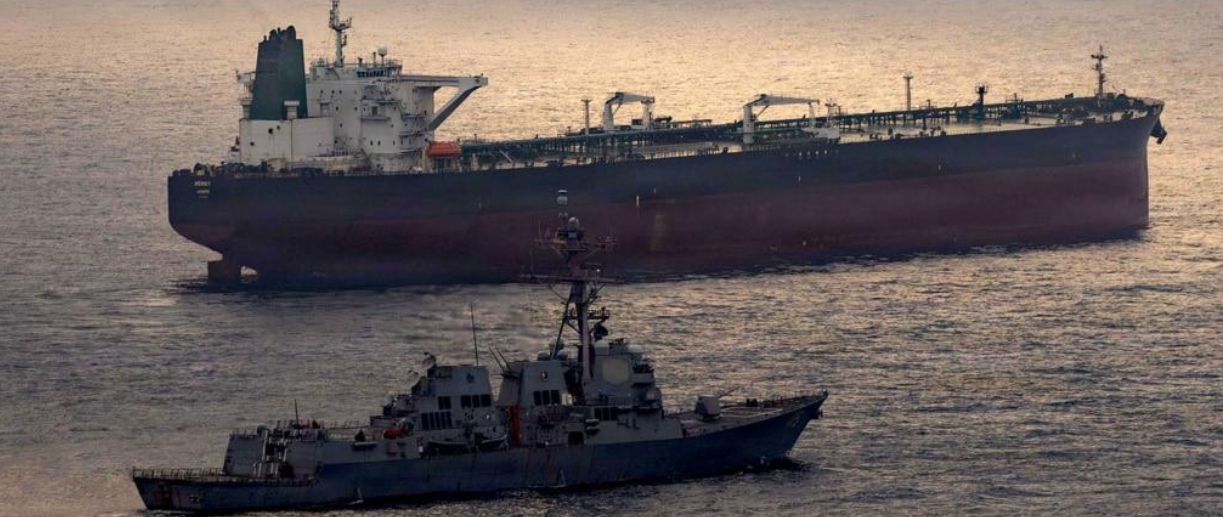
TEHRAN, November 15, 2026: Tensions in the Middle East have intensified after Iran’s naval forces reported that multiple oil tankers had struck naval mines and caught fire near the strategically important Strait of Hormuz.
The incidents have raised fresh concerns about maritime security, international energy transportation and the possibility of further escalation between Iran and the United States.
According to statements from Iran’s Islamic Revolutionary Guard Corps (IRGC) Navy, two oil tankers struck naval mines south of the Strait of Hormuz and caught fire. Iranian authorities said the vessels were attempting to pass through the waterway using an unauthorised route while keeping their navigation and Automatic Identification System (AIS) equipment switched off.
Iranian state media also reported an earlier tanker incident, bringing the number of reported vessels involved in recent mine-related incidents to three.
However, the claims have not been independently verified by Reuters, and the identities of the vessels, the extent of the damage and the number of possible casualties have not been fully established.
The developments come amid a wider confrontation involving Iran, the United States and other regional actors.
Why Is the Straitof Hormuz So Important?
The Strait of Hormuz is one of the world’s most strategically important maritime passages.
Located between Iran and Oman, it connects the Persian Gulf with the Gulf of Oman and the Arabian Sea.
A substantial share of the world’s seaborne oil and liquefied natural gas exports passes through this narrow waterway.
Major energy producers in the Gulf region depend on the route to transport crude oil and petroleum products to international markets.
Countries in Asia, including China, India, Japan and South Korea, are particularly sensitive to disruptions because they import significant quantities of energy from the Middle East.
Any serious interruption to shipping through the strait can affect global oil supply, shipping insurance, transportation costs and energy prices.
For this reason, even reports of attacks on commercial vessels can create uncertainty in international markets.
What Happened to the Oil Tankers?
According to Iran’s Revolutionary Guard Navy, two oil tankers struck naval mines south of the Strait of Hormuz on Saturday.
Iranian authorities alleged that the vessels were attempting to move through an unauthorised maritime route and had switched off their navigation and identification systems.
The Iranian statement said the incidents resulted in explosions and fires aboard the ships.
Iran’s naval forces did not identify the vessels or provide complete information about casualties.
The claims came after another report involving a tanker that allegedly struck a mine in the eastern section of the strait earlier on Saturday.
Reuters reported that it could not independently verify the incidents.
This distinction is important because the precise circumstances of the incidents, the responsible parties and the extent of the damage remain unclear.
International maritime authorities and shipping companies will need reliable information before determining the full operational consequences.
Bahrain Issues Threat Alerts After Iran Claims Attack on US Base
The situation became more serious on November 15 when Bahrain issued two potential-threat alerts, marking its first such warnings since September.
According to Reuters, Iran’s Islamic Revolutionary Guard Corps claimed it had launched six drones targeting a US air-defence radar at the Al-Rifaa helicopter base in Bahrain.
The Iranian statement described the action as retaliation for what it called hostile American activities.
There was no immediate confirmation of the alleged attack from US or Bahraini authorities.
Bahrain’s Interior Ministry urged residents to remain calm and move to the nearest safe location.
Bahrain is strategically important because it hosts the headquarters of the US Navy’s Fifth Fleet.
The presence of major American military facilities makes the country an important element of US security operations in the Gulf region.
Two days earlier, Iran had also claimed to have attacked an American early-warning radar in Bahrain. The US military denied that claim, saying it had intercepted two Iranian drones without damage.
The latest developments therefore underline the continuing uncertainty surrounding military activity in the region.
How Did the Current Iran-US Conflict Develop?
The wider conflict began after US and Israeli strikes against Iran on February 28, 2026.
The confrontation subsequently expanded across the region, with Iran launching missile and drone attacks against US military facilities in Gulf countries.
The conflict has also affected regional security arrangements and maritime transportation.
Although diplomatic efforts have taken place, negotiations have not yet produced a comprehensive settlement.
Washington and Tehran have held back from some direct military actions, but tensions remain high.
US President Donald Trump has indicated that he may avoid further attacks if Iran or Iran-backed Houthi forces in Yemen do not initiate new provocations.
At the same time, the United States has maintained a naval blockade as part of its pressure strategy.
The situation remains fragile because military developments, maritime security incidents and diplomatic negotiations are taking place simultaneously.
Why the United States Is Concerned About the Strait
The Strait of Hormuz is critical to international energy transportation.
A significant disruption could affect the availability of crude oil and petroleum products in major importing economies.
The United States also has strategic military and diplomatic interests in maintaining maritime security in the Gulf.
American naval forces have operated in the region for decades to protect shipping routes and support regional security arrangements.
However, the current conflict has made the operating environment more complicated.
The risk of attacks, mines, drone operations and military confrontation could increase the cost of transporting energy products.
Shipping companies may need to reconsider routes, insurance arrangements and vessel security procedures.
What Could Happen to Global Oil Prices?
The oil market is particularly sensitive to developments around the Strait of Hormuz.
If commercial shipping faces serious disruption, international oil prices could experience upward pressure.
Higher crude oil prices can affect petrol, diesel, aviation fuel and industrial energy costs.
For importing economies, this could increase the cost of imports and create additional inflationary pressure.
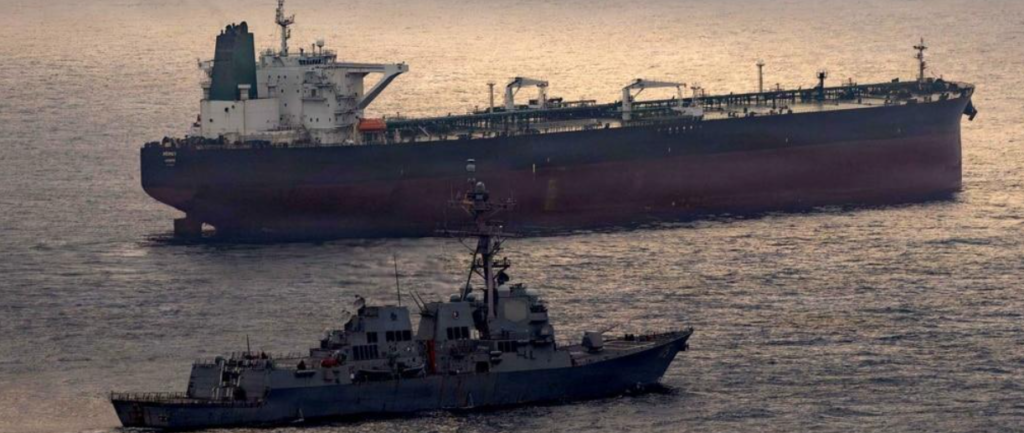
Countries that depend heavily on Gulf energy supplies may also face greater uncertainty regarding delivery schedules.
However, the actual effect will depend on whether shipping continues, whether alternative supply routes remain available and how long the security situation lasts.
It is important not to interpret reported tanker incidents as confirmation that the entire strait has been closed.
Impact on Asian Economies
Asian countries are particularly exposed to instability in the Gulf because of their dependence on imported energy.
China, India, Japan and South Korea are major consumers of oil and gas transported through international maritime routes.
A prolonged crisis could increase transportation costs and affect energy procurement strategies.
For India, higher crude oil prices can increase the import bill, influence inflation and create pressure on the rupee.
For China, the situation could affect industrial energy costs and international supply-chain planning.
Governments and energy companies may respond by strengthening strategic reserves, diversifying suppliers and reviewing maritime risk-management arrangements.
Diplomatic Challenges and the Possibility of De-escalation
Despite the military tensions, diplomacy remains an important possible route towards reducing the conflict.
The United States and Iran have incentives to avoid a prolonged confrontation that could damage regional economies and disrupt international trade.
However, their differences over security, military operations and maritime access remain significant.
Regional governments also have an interest in preventing further escalation.
Saudi Arabia and other Gulf countries are particularly concerned about the potential impact on energy infrastructure and commercial shipping.
Any diplomatic settlement would likely require agreement on maritime security, military activities and the broader political issues behind the confrontation.
Conclusion: A Strategic Waterway Under Growing Pressure
The reported tanker incidents near the Strait of Hormuz and Bahrain’s latest security alerts have increased concerns about the Middle East’s security situation.
Although some claims remain unverified, the developments demonstrate how quickly maritime incidents can influence international diplomacy and energy markets.
The Strait of Hormuz remains a vital route for global oil and gas transportation. Any prolonged disruption could have consequences far beyond the Gulf region.
The coming days will be important for determining whether the latest incidents lead to further escalation or encourage renewed diplomatic efforts between the countries involved.