Varanasi Airport Runway: From 2,745 Metres to 4,075 Metres
|
Getting your Trinity Audio player ready...
|
Varanasi, November 15, 2026: Lal Bahadur Shastri International Airport, located at Babatpur in Varanasi, is undergoing a major infrastructure development programme aimed at transforming its aviation capacity and strengthening air connectivity in eastern Uttar Pradesh.
One of the most significant components of the project is the proposed extension of the existing runway from approximately 2,745 metres to 4,075 metres, while retaining its planned width of 45 metres. The development also includes a new terminal building, expanded aircraft parking facilities, parallel taxiways, rapid exit taxiways, advanced airfield lighting and other supporting infrastructure.
The Union Cabinet approved the airport development proposal on June 19, 2024, with an estimated financial outlay of Rs 2,869.65 crore.
The expansion is expected to improve the airport’s ability to handle growing passenger traffic and support larger aircraft operations, subject to the completion of construction, safety assessments and regulatory approvals.
1. Varanasi Airport Runway: From 2,745 Metres to 4,075 Metres
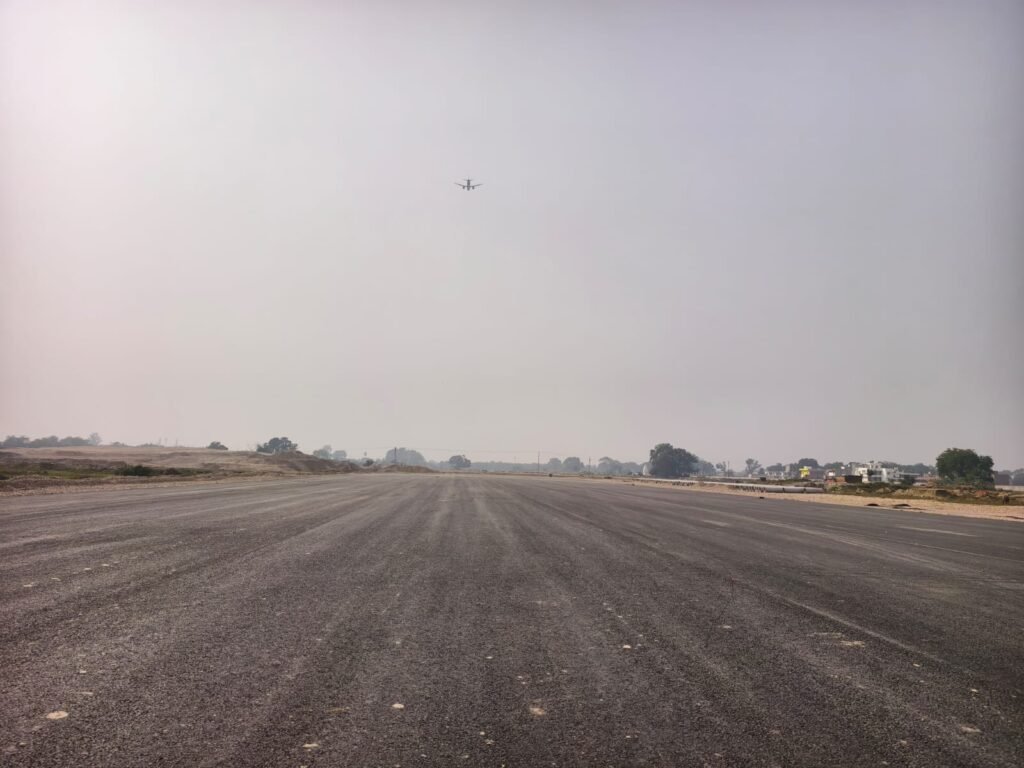
The runway extension is one of the most important elements of the Babatpur airport development project.
At present, the airport operates a runway approximately 2,745 metres long and 45 metres wide. Under the approved development plan, the total runway length is proposed to increase to 4,075 metres, with the width remaining 45 metres.
The proposed dimensions are:
- Existing runway length: Approximately 2,745 metres.
- Proposed runway length: 4,075 metres.
- Existing runway width: 45 metres.
- Proposed runway width: 45 metres.
- Approximate increase in length: 1,330 metres.
The extension will provide additional runway distance for aircraft operations. It is particularly relevant for future operations involving larger aircraft and long-distance routes.
However, runway length alone does not determine whether an aircraft can operate at an airport. Aircraft weight, temperature, elevation, runway pavement strength, wind conditions, taxiway infrastructure and aviation safety approvals are also important factors.
2. Why Is the Runway Being Extended?
Varanasi is one of India’s most important religious, cultural and tourism destinations. The city receives visitors throughout the year, including domestic tourists, international travellers, pilgrims, business visitors and people travelling for educational and professional purposes.
As air traffic increases, airport infrastructure must be developed to accommodate future demand.
A longer runway can improve the operational flexibility of an airport, particularly for aircraft that require longer take-off distances under certain operating conditions.
The proposed development also refers to Code E aircraft infrastructure. Code E is an aircraft aerodrome reference code associated with larger aircraft dimensions
This does not mean that every large aircraft will automatically begin operating from Varanasi after the extension. The airport must also meet the required standards for pavement strength, taxiways, aircraft parking, lighting, rescue and firefighting facilities and regulatory certification.
Nevertheless, the runway expansion represents an important step towards improving the airport’s future aviation capabilities.
3. Highway Tunnel: One of the Most Challenging Components
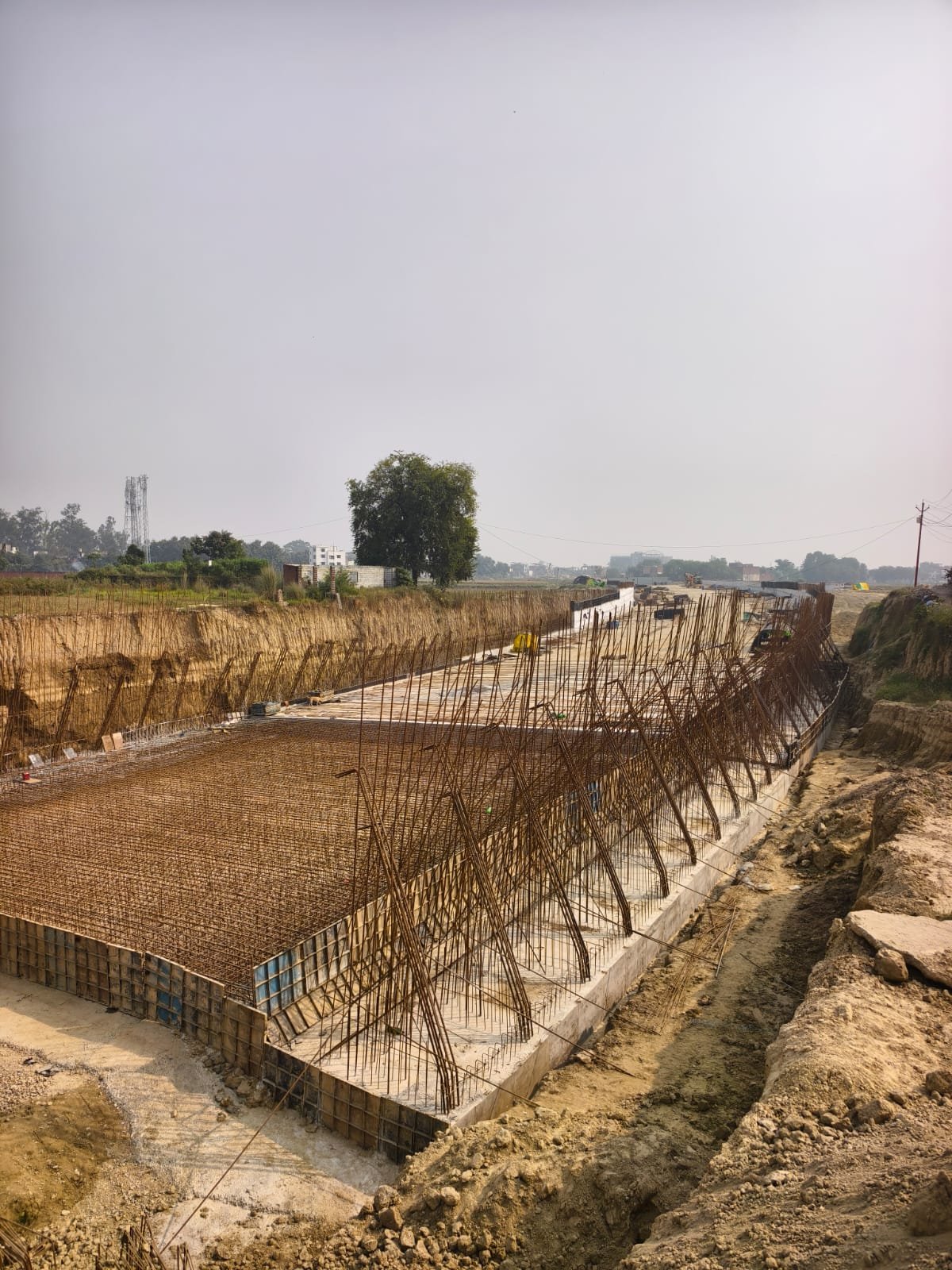
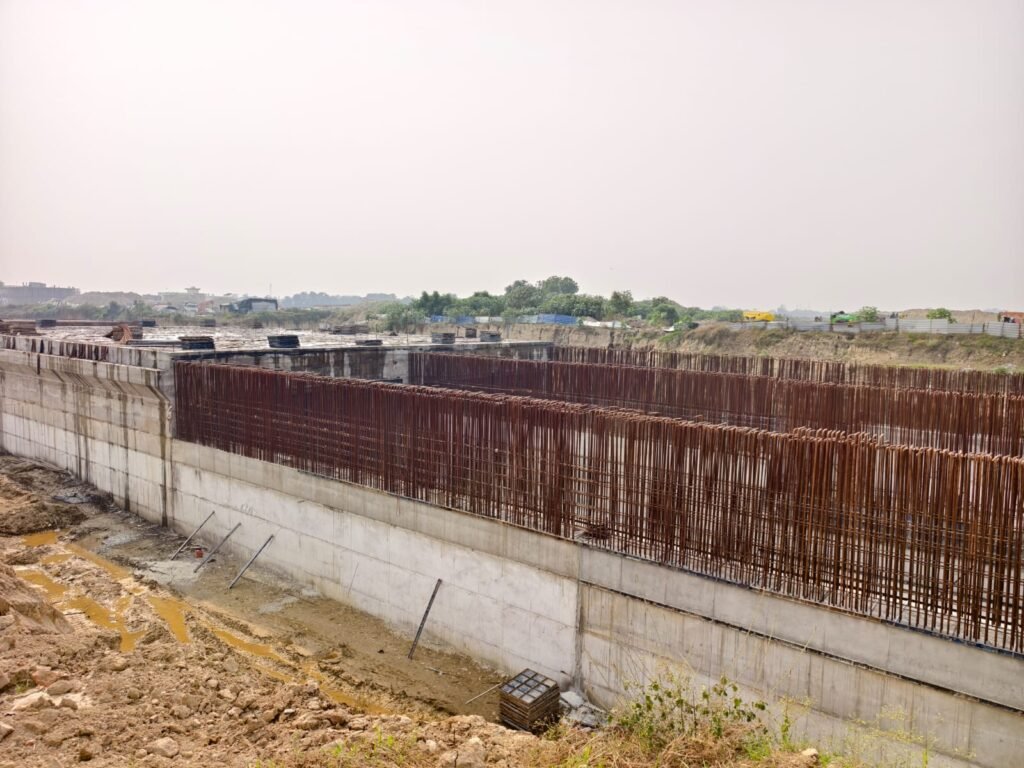
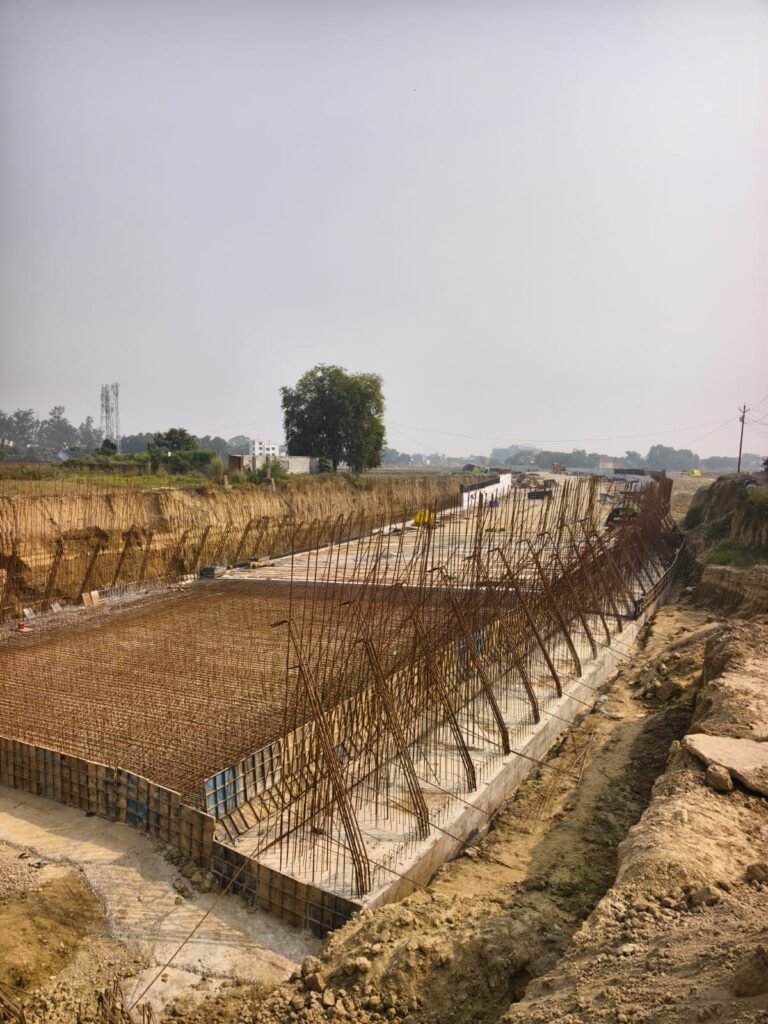
An important engineering component of the Varanasi airport expansion is the construction of a tunnel beneath the national highway.
The runway extension requires development beyond the airport’s existing operational boundary. The highway infrastructure presents an engineering challenge because the road and airport operations must be coordinated safely.
A tunnel is being developed to facilitate the required infrastructure arrangement while addressing the relationship between highway traffic and the expanded airport facilities.
However, tunnel construction has encountered technical difficulties.
According to a report published in June 2026, higher-than-expected groundwater levels were encountered during excavation. Continuous water ingress affected construction activities and required engineers and experts to review the original design.
Following technical assessments, modifications to the tunnel design became necessary to maintain structural safety.
The report also indicated that the changes could increase project expenditure by approximately Rs 100 crore.
Tunnel completion was reported as likely by March 2027. This should be treated as a reported construction expectation rather than confirmation that the tunnel has already been completed.
The tunnel is therefore one of the critical components influencing the progress of the overall runway expansion
4. Will Airport Operations Be Suspended During Construction?
Runway extension is not the only work being carried out. The existing runway also requires resurfacing, strengthening and improvements to supporting infrastructure.
The Airports Authority of India issued AIP Supplement 35/2026 on February 5, 2026, detailing planned runway closures and airside development work at Lal Bahadur Shastri International Airport.
According to the document, the runway was scheduled to be unavailable during the following periods:
February 9 to March 28, 2026
- Daily closure from 18:00 UTC to 02:00 UTC the following day.
March 29 to October 31, 2026
- Daily closure from 16:00 UTC to 01:00 UTC the following day.
These were scheduled restrictions for construction and resurfacing activities, not a complete closure of the airport throughout the entire project.
The AAI document also advised aviation stakeholders to monitor subsequent NOTAM notifications because construction schedules and operational restrictions could change.
Passengers should always verify their flight schedules directly with airlines and check the latest airport operating information.
5. New Apron to Accommodate 20 Aircraft
Another major feature of the project is the construction of a new aircraft parking apron.
An apron is the designated airport area where aircraft park for passenger boarding, disembarkation, refuelling, servicing and other ground operations.
Under the Union Cabinet-approved proposal, the new apron is planned to accommodate 20 aircraft.
This will increase parking capacity and provide additional flexibility for airlines as operations expand.
The AAI’s technical documentation also describes separate apron infrastructure for Code C and Code E aircraft.
The proposed technical dimensions include:
- Code C apron: Approximately 425 metres × 145.6 metres.
- Code E apron: Approximately 581.1 metres × 146 metres.
These facilities are intended to support different aircraft categories and improve the organisation of ground operations.
The additional parking capacity will also be important for handling a larger number of aircraft during peak operating periods.
6. Parallel Taxi Track and Rapid Exit Taxiways
Modern airports require more than a long runway. Taxiway infrastructure is equally important for the efficient movement of aircraft.
Taxiways are designated paths that connect runways with aircraft parking aprons, hangars and other airport facilities.
According to AAI’s February 2026 technical document, the project includes the construction of a 4,075-metre-long and 23-metre-wide Code E parallel taxi track, along with 7.5-metre-wide shoulders.
The planned supporting infrastructure includes:
- Five Code E link taxi tracks.
- Two Code E rapid exit taxiways.
- An isolation bay for Code E aircraft.
- Runway turn pad facilities.
- New runway and taxiway lighting.
- Drainage infrastructure.
- Grading and development of runway strips.
Rapid exit taxiways are particularly useful because they allow aircraft to leave the runway after landing without necessarily having to travel to the end of the runway.
This can reduce runway occupancy time and improve operational efficiency, subject to the airport’s traffic patterns and operating procedures.
7. New Terminal Building: 75,000 Square Metres of Infrastructure
The airport’s passenger terminal is also undergoing a major transformation.
The Union Cabinet-approved proposal includes a new terminal building covering approximately 75,000 square metres.
The proposed terminal is designed for an annual passenger handling capacity of 6 million passengers and the management of 5,000 peak-hour passengers.
The broader airport development programme aims to increase the airport’s overall passenger handling capacity from 3.9 million passengers per annum to 9.9 million passengers per annum.
A local report published on November 12, 2026, stated that approximately 75 per cent of the new terminal building’s construction had been completed.
The proposed facilities include:
- 72 check-in counters.
- Eight aerobridges.
- A three-storey terminal building.
- Separate arrival and departure arrangements.
- A 30-metre-wide elevated access road.
The elevated road is being developed to allow vehicles to reach the departure entrance more conveniently.
The three-storey terminal arrangement is designed to improve passenger movement, reduce congestion and provide more organised arrival and departure facilities.
The terminal’s architectural design is also intended to reflect the cultural heritage of Varanasi.
8. Multilevel Parking: Approximately 98 percent complete
Vehicle parking is another important component of the airport expansion.
With increasing passenger numbers, the demand for organised parking facilities is also expected to rise.
A multilevel parking facility is being developed as part of the overall airport infrastructure programme.
According to the November 12, 2026 report, approximately 98 per cent of the multilevel parking construction had been completed.
Once operational, this facility is expected to improve vehicle management and reduce parking-related congestion around the terminal.
The reported construction percentage should not be confused with a formal announcement of commissioning or public opening.
9. Land Requirement and Acquisition
Land availability is an important factor in the expansion of any airport, particularly when runway infrastructure must be extended beyond its existing boundaries.
A June 2026 report stated that the Uttar Pradesh government had approved the acquisition of approximately 350 acres of land for the airport expansion project.
The availability of additional land was reported to have accelerated several development activities.
However, land acquisition approval, physical possession, transfer to the implementing agency and completion of construction are separate administrative and operational stages.
Therefore, the approval of 350 acres should not automatically be interpreted as confirmation that every part of the land has been handed over or that construction has been completed on it.
10. Total Project Cost and Completion Target
The Union Cabinet approved an estimated financial outlay of Rs 2,869.65 crore for the Varanasi airport development programme.
The approved project covers several major components:
- Construction of a new terminal building.
- Extension and strengthening of the runway.
- Expansion of aircraft parking facilities.
- Construction of a parallel taxi track.
- Development of connecting taxiways and rapid exit taxiways.
- Airfield lighting and associated electrical infrastructure.
- Drainage and other supporting civil works.
July 2027 has been identified as the target completion period in the project planning information.
However, technical difficulties during tunnel construction have affected the schedule of certain activities.
The November 2026 progress report indicated that the terminal building had reached approximately 75 per cent completion and multilevel parking approximately 98 per cent completion.
Runway and tunnel-related activities were still being carried forward.
It is important to understand that different components of an airport project can progress at different speeds. Completion of the passenger terminal does not automatically mean that the extended runway and all associated aircraft infrastructure are ready for operation.
11. What Has Progressed and What Is Still Pending?
Based on information available up to November 15, 2026, the project can be divided into the following categories.
Reported construction progress:
- New terminal building: Approximately 75 per cent complete, according to the November 12 report.
- Multilevel parking: Approximately 98 per cent complete, according to the same report.
- Tunnel construction: Ongoing, with earlier technical design modifications reported.
- Runway development: Included in AAI’s official airside development programme.
- Apron and taxiway infrastructure: Included in the approved and technical development plans.
Facilities not confirmed as fully completed and operational:
- The complete 4,075-metre extended runway.
- The new apron with 20 aircraft parking capacity.
- The complete parallel taxi track.
- All five link taxi tracks and two rapid exit taxiways.
- The completed tunnel and its final handover.
- All associated new airfield lighting and operational facilities.
The distinction between tendering, construction, completion and commissioning is essential when reporting on infrastructure development.
A project announcement or tender publication does not prove that a facility is already operational.
12. What Does the Expansion Mean for Varanasi?
The development of Lal Bahadur Shastri International Airport is significant for the future of Varanasi.
The city attracts millions of visitors for religious, cultural and tourism-related activities. Important destinations include the Kashi Vishwanath Temple, the Ganga ghats, Sarnath and other heritage locations.
Improved airport infrastructure can make the city more accessible for domestic and international visitors.
The proposed increase in passenger handling capacity to 9.9 million passengers annually will provide additional infrastructure for future passenger growth.
The longer runway and larger aircraft parking facilities may also improve the airport’s ability to support additional aviation operations.
However, new international routes, additional flight frequencies and regular operations by specific large aircraft will depend on airline decisions, commercial viability, regulatory requirements and the completion of supporting airport infrastructure.
Conclusion
The expansion of Lal Bahadur Shastri International Airport at Babatpur represents one of the major aviation infrastructure developments in eastern Uttar Pradesh.
The proposed increase in runway length from approximately 2,745 metres to 4,075 metres, a 20-aircraft parking apron, a parallel taxi track, rapid exit taxiways, a new passenger terminal and a highway tunnel are central elements of this transformation.
The project is designed to increase passenger handling capacity, improve aircraft movement and strengthen Varanasi’s future connectivity.
At the same time, groundwater-related engineering challenges and changes to the tunnel design demonstrate that the project faces significant construction complexities.
The actual benefits will depend on the timely completion of all associated facilities, safety inspections, regulatory approvals and the eventual commissioning of the expanded airport infrastructure.
For Varanasi, this is more than an airport expansion. It is an important investment in the city’s future connectivity, tourism and economic development.