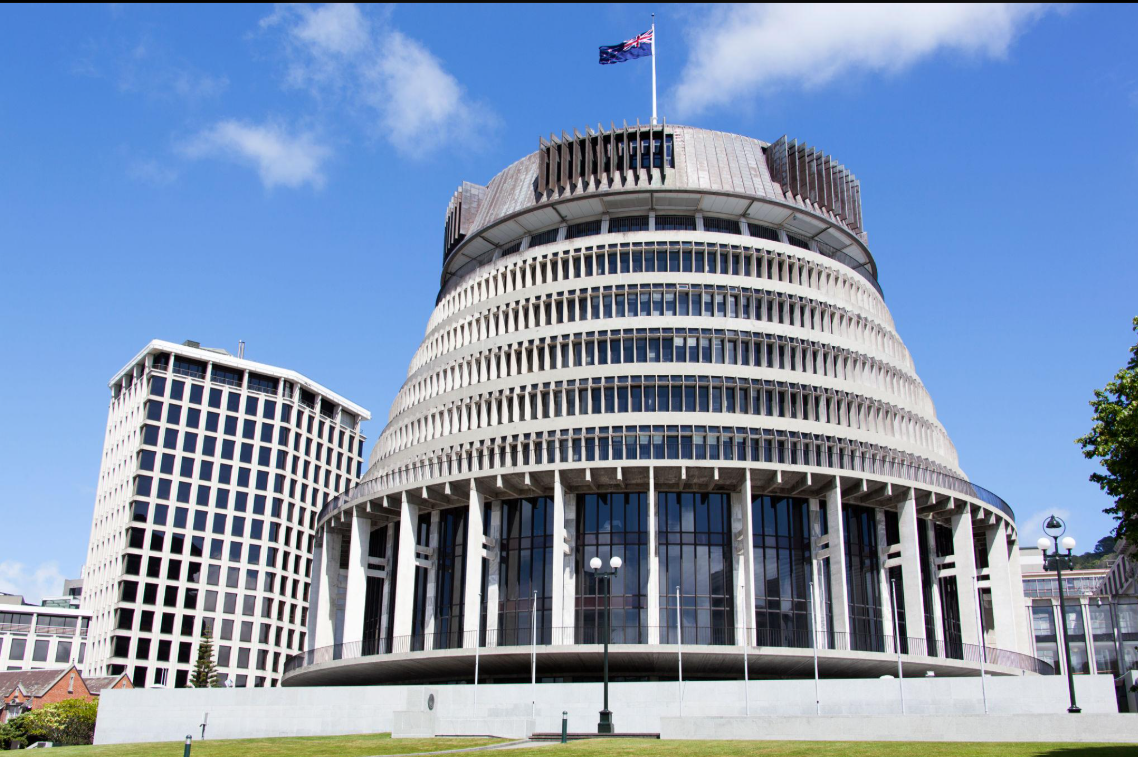
New Zealand General Election 2026: Tight Race Between National and Labour
|
Getting your Trinity Audio player ready...
|
Wellington, November 6, 2026: New Zealand is preparing for a closely contested general election on Saturday, November 7, as voters decide the country’s political direction amid economic uncertainty, rising living costs and growing concerns about public services.
The election is expected to be a major contest between Prime Minister Christopher Luxon’s governing National Party and the opposition Labour Party led by Chris Hipkins.
However, the outcome may not depend solely on which of the two major parties receives the highest number of votes. New Zealand’s proportional electoral system means smaller political parties could play a decisive role in determining which political bloc forms the next government.
Recent opinion polls suggest a competitive race, with neither major party enjoying a decisive advantage.
When Will New Zealand Vote?
New Zealand’s 2026 general election is scheduled for Saturday, November 7.
Polling places will operate from 9:00 a.m. to 7:00 p.m. local time.
Advance voting began on October 26, allowing eligible voters to cast their ballots before election day.
According to the New Zealand Electoral Commission, preliminary results will begin appearing progressively from 7:00 p.m. on election night.
The official results are scheduled to be declared on November 27, after the counting of special votes and completion of the electoral process.
Christopher Luxon vs Chris Hipkins: Who Are the Main Candidates?
The election’s central political contest is between two leaders with different economic and policy priorities.
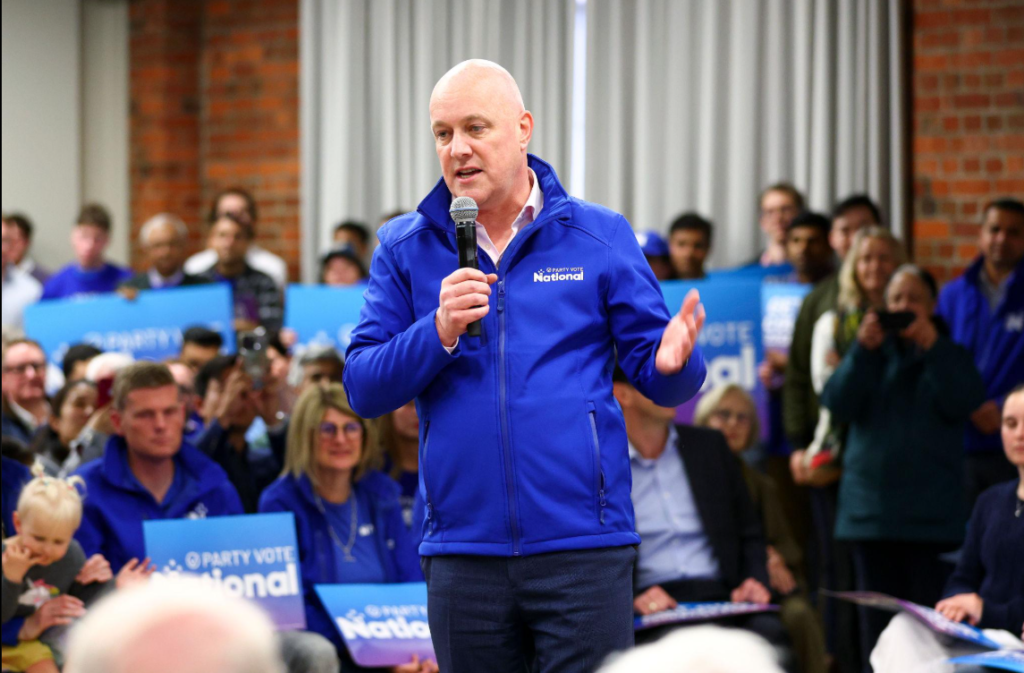
Christopher Luxon – National Party
Christopher Luxon became Prime Minister following the National Party’s victory in the 2023 general election.
Before entering politics, he held senior positions in the business sector, including serving as the chief executive of Air New Zealand.
His campaign has focused on economic growth, tax policy, government spending, public safety and improving New Zealand’s financial position.
The National Party is seeking another term in government and is campaigning on its plans for economic development and fiscal management.
Chris Hipkins – Labour Party
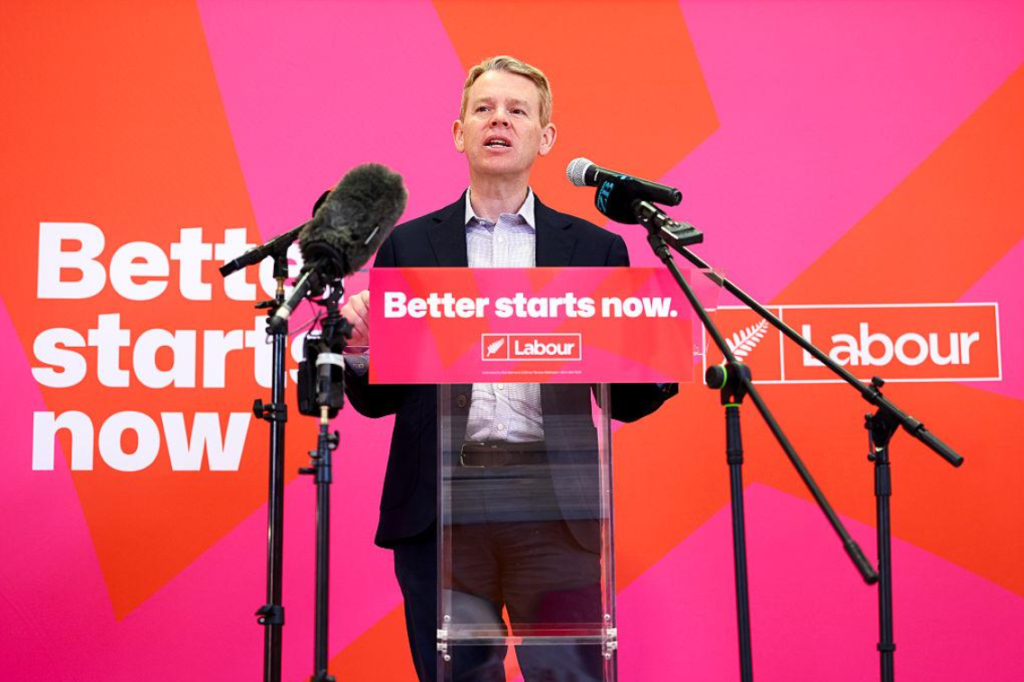
Chris Hipkins previously served as Prime Minister after succeeding Jacinda Ardern in January 2023.
He is now leading Labour’s campaign to return to government.
Labour has placed considerable emphasis on reducing household financial pressure, strengthening public healthcare and addressing the cost of living.
The party is also campaigning on housing affordability, employment and public services.
The election will test whether voters prefer the National-led government’s economic approach or Labour’s alternative policy direction.
Opinion Polls Suggest a Very Close Election
Opinion polls released before election day indicate a competitive contest between National and Labour.
The latest Post/Freshwater Strategy poll, based on fieldwork conducted between October 29 and November 3, placed Labour at approximately 30.7% and National at 26.4%.
Other recent surveys have shown different results, with some placing National narrowly ahead.
The difference between polling organisations highlights the uncertainty surrounding the final result.
It is important to remember that opinion polls are estimates of voter preferences and do not determine the outcome of an election.
The final result will depend on actual votes, electorate contests and the distribution of seats under New Zealand’s electoral system.
Why Smaller Political Parties Could Decide the Next Government
New Zealand uses a Mixed-Member Proportional (MMP) electoral system.
Under this system, voters cast two votes: one for a local electorate candidate and another for a political party.
The overall composition of Parliament is designed to broadly reflect the party vote.
This means smaller political parties can become important coalition partners when no single party or political bloc secures enough parliamentary seats to govern independently.
Parties including the Green Party, ACT New Zealand, New Zealand First and The Opportunities Party could influence the formation of the next government.
Coalition negotiations may therefore become one of the most important developments after election night.
The party receiving the highest vote share does not automatically become the government.
Cost of Living Emerges as a Major Election Issue
Economic pressure has become one of the most important concerns for New Zealand voters.
According to an October 2026 Ipsos New Zealand Issues Monitor, inflation and the cost of living were identified as the country’s leading public concerns.
Healthcare and hospitals were another major issue, while petrol prices moved into the top three concerns.
The rising cost of everyday necessities has placed additional pressure on household budgets.
Housing affordability, employment opportunities, wages and public debt have also featured prominently in the election campaign.
These issues could influence how voters assess the performance of the current government.
Housing, Healthcare and Employment Remain Important
Housing affordability is another major issue shaping the election.
The National Party has supported measures to increase housing development through planning changes and greater construction opportunities.
Labour and the Green Party have placed greater emphasis on public and social housing, affordability and tenant protections.
Healthcare is also a central election issue, particularly concerning hospital capacity, medical staffing and access to essential services.
Employment conditions and economic growth remain important because voters are concerned about income security and future opportunities.
The policies proposed by the major parties reflect different approaches to managing these challenges.
Foreign Policy and Relations With China Also Matter
New Zealand’s international relationships have become increasingly important in the election debate.
China remains a major trading partner, while New Zealand also maintains close security and diplomatic relationships with Western partners and countries across the Pacific.
The next government will need to balance trade opportunities, regional security and international cooperation.
Climate policy, renewable energy development, defence spending and relations with neighbouring Pacific nations are also part of the wider political discussion.
These issues could shape New Zealand’s international position over the next parliamentary term.
When Will the New Zealand Election Results Be Announced?
The Electoral Commission has established a timetable for the announcement of election results.
Preliminary results are expected to be released progressively from 7:00 p.m. on November 7, local time.
However, preliminary results will not represent the final official outcome.
Special votes and other remaining counts will be included before the official results are declared on November 27, 2026.
If no political bloc secures a clear majority, coalition negotiations could continue after election day.
This means the identity of the next government may not become clear immediately.
Conclusion: A Crucial Election for New Zealand’s Political Future
New Zealand’s November 7 general election represents an important moment for the country’s political and economic future.
Christopher Luxon and Chris Hipkins are competing for public support, but the final outcome could depend heavily on smaller parties and coalition negotiations.
With the cost of living, housing, healthcare, employment and international relations dominating the campaign, voters face important decisions about the country’s future direction.
The election result will determine whether the National-led coalition continues governing or whether a new political arrangement emerges under Labour.
As New Zealand prepares to vote, the biggest question is not simply which party will win the most votes, but which political combination will secure enough parliamentary support to form the next government.