Japan’s Stock Market Crash: AI Sell-Off Hits Nikkei 225
|
Getting your Trinity Audio player ready...
|
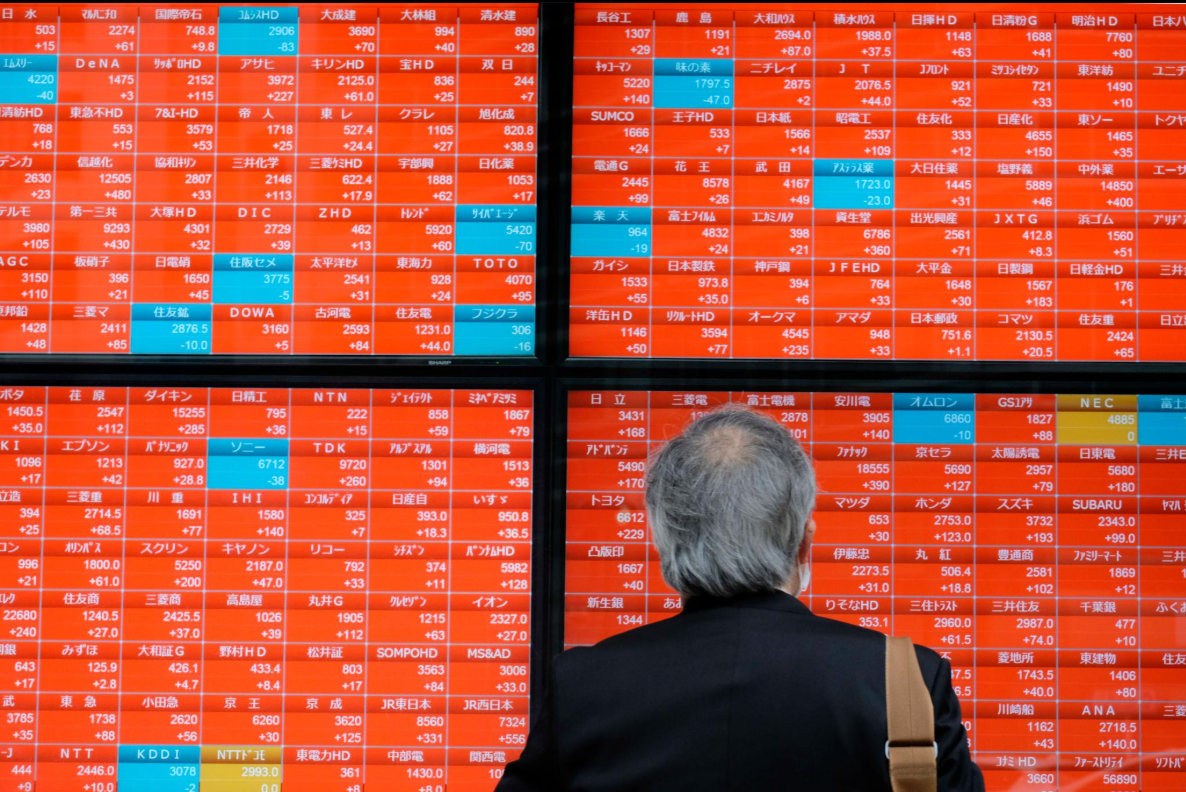
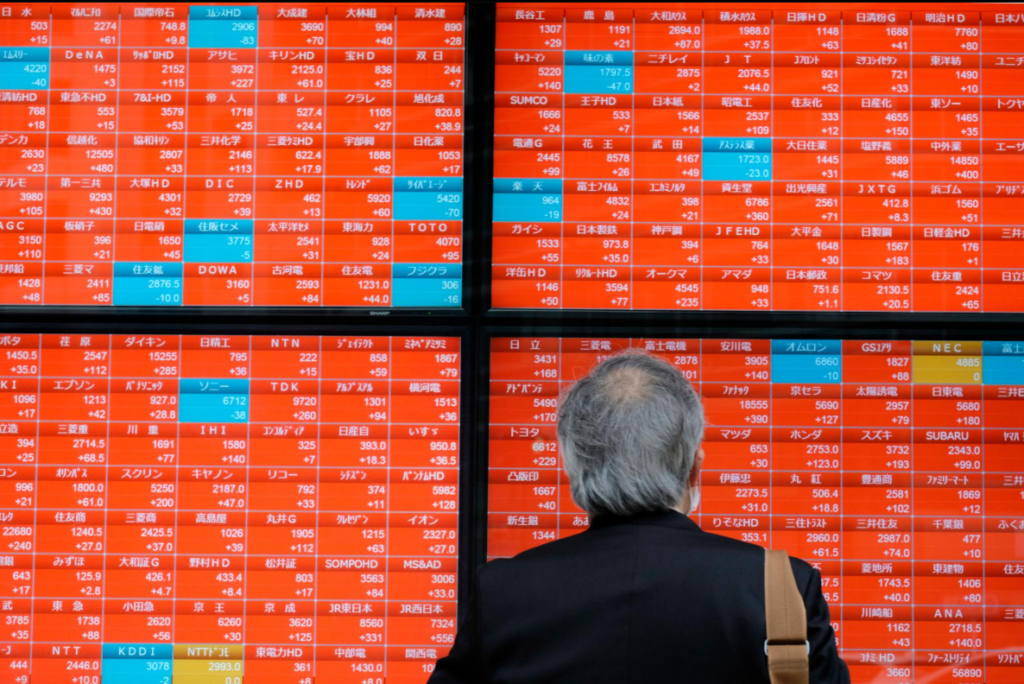
Tokyo, November 6, 2026: Japan’s stock market experienced a sharp decline on Friday as growing concerns over artificial intelligence investments triggered a major sell-off across Asian technology and semiconductor companies.
The benchmark Nikkei 225 index fell as much as 7.1% during Friday morning trading, briefly moving below the psychologically important 60,000-point level. The decline followed a significant technology-led sell-off on Wall Street, where investors began reassessing the enormous financial commitments being made to artificial intelligence infrastructure.
The latest market turbulence has raised concerns about the sustainability of technology valuations, the profitability of AI investments and the possibility of increased regulatory scrutiny of large data-centre projects.
Why Did Japan’s Stock Market Fall So Sharply?
The decline in Japanese equities followed heavy losses in the United States on Thursday, November 5.
The Nasdaq Composite dropped approximately 5.5%, while the S&P 500 declined 4.4%. Semiconductor companies experienced particularly strong selling pressure.
Investors have become increasingly concerned that major technology companies may struggle to generate sufficient returns from their enormous AI infrastructure investments.
Building AI data centres requires substantial capital expenditure, including advanced processors, electricity infrastructure, cooling systems and networking equipment.
Market participants are also assessing whether political changes in the United States could lead to additional scrutiny of data-centre construction and AI-related investments.
These concerns have affected technology-heavy markets in Japan, South Korea and Taiwan.
Semiconductor and AI Companies Face Heavy Selling
Japanese companies connected to the global semiconductor and AI supply chain experienced some of the largest declines.
During Friday’s morning session, several major technology-related companies came under significant selling pressure.
Companies affected included:
- Rohm, a major semiconductor manufacturer.
- Furukawa Electric, a supplier of electrical and communications infrastructure.
- Resonac, which operates in advanced materials and semiconductor-related businesses.
- Kioxia, a major memory semiconductor company.
- SoftBank Group, a major technology investor.
The weakness in these stocks reflects Japan’s exposure to the global AI investment cycle.
Japan plays an important role in semiconductor materials, chipmaking equipment, electronic components and advanced manufacturing.
South Korea and Taiwan Also Feel the Impact
The market decline was not limited to Japan.
South Korea’s benchmark KOSPI index fell more than 8% during Friday’s trading, triggering a temporary 20-minute trading halt under the exchange’s circuit-breaker mechanism.
Taiwan’s stock market also experienced substantial losses as investors reduced exposure to semiconductor and technology-related shares.
Major Asian technology companies, including Samsung Electronics, SK Hynix and Taiwan Semiconductor Manufacturing Company, faced pressure.
The developments demonstrate how interconnected the global technology industry has become.
A major decline in US technology stocks can quickly affect semiconductor manufacturers and equipment suppliers across Asia.
Is the AI Investment Boom Losing Investor Confidence?
Artificial intelligence remains one of the biggest investment opportunities in the global technology industry.
Companies are spending enormous amounts on AI processors, cloud infrastructure, data centres and advanced computing systems.
However, investors are increasingly asking whether the financial returns will justify the scale of these investments.
The current sell-off highlights three major concerns.
1. Expensive Company Valuations: Some AI-related stocks had reached high valuations based on expectations of future growth.
2. Infrastructure Costs: Data-centre construction, electricity consumption and advanced computing equipment require substantial capital.
3. Profitability: Investors want stronger evidence that AI products and services can generate sustainable revenue.
The market decline does not mean artificial intelligence technology is failing. Instead, it indicates that investors are becoming more selective about which companies can convert AI demand into long-term profits.
What Could Happen Next?
The future direction of Asian stock markets will depend on several factors, including corporate earnings, US technology spending, interest rates and investor confidence.
Semiconductor companies with strong earnings and competitive technology could remain attractive to long-term investors.
However, companies whose valuations depend heavily on future AI growth expectations may continue to experience volatility.
Investors will also monitor political developments in the United States and their potential impact on AI infrastructure projects.
Conclusion: A Warning for the Global Technology Market
Japan’s sharp market decline highlights the growing risks associated with the global AI investment boom.
After several years of extraordinary enthusiasm, investors are beginning to demand stronger financial evidence from companies benefiting from artificial intelligence.
The latest sell-off has affected markets across the United States and Asia, demonstrating that the AI investment cycle is now a major influence on international financial markets.
The coming weeks could be important in determining whether this decline becomes a temporary correction or the beginning of a broader reassessment of technology valuations.