Gaza Humanitarian Crisis 2026: Germany Urges Israel to Allow More Aid as Winter
|
Getting your Trinity Audio player ready...
|
Berlin, November 17, 2026: Germany has called on Israel to allow significantly more humanitarian assistance into the Gaza Strip as concerns grow over the living conditions of civilians ahead of the approaching winter season.
German Foreign Minister Johann Wadephul raised the issue before a meeting of European Union foreign ministers in Brussels.
He said the humanitarian situation in Gaza requires urgent attention, particularly as rainy and stormy weather conditions are expected to make life more difficult for displaced families.
The statement comes amid continuing international concern about access to food, medicine, shelter and other essential supplies in the Palestinian territory.
The humanitarian situation has remained a major subject of diplomatic discussion among European governments, the United Nations and international relief organisations.
Germany’s appeal highlights the importance of ensuring that humanitarian assistance reaches civilians who need it.
Why Is Winter Creating Additional Concerns for Gaza?
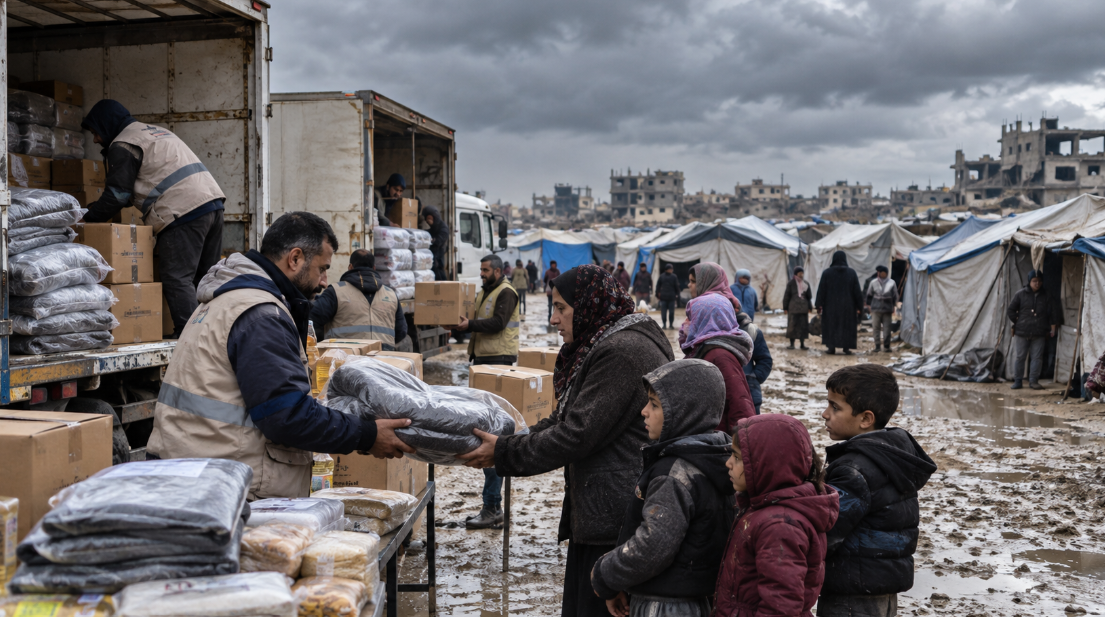
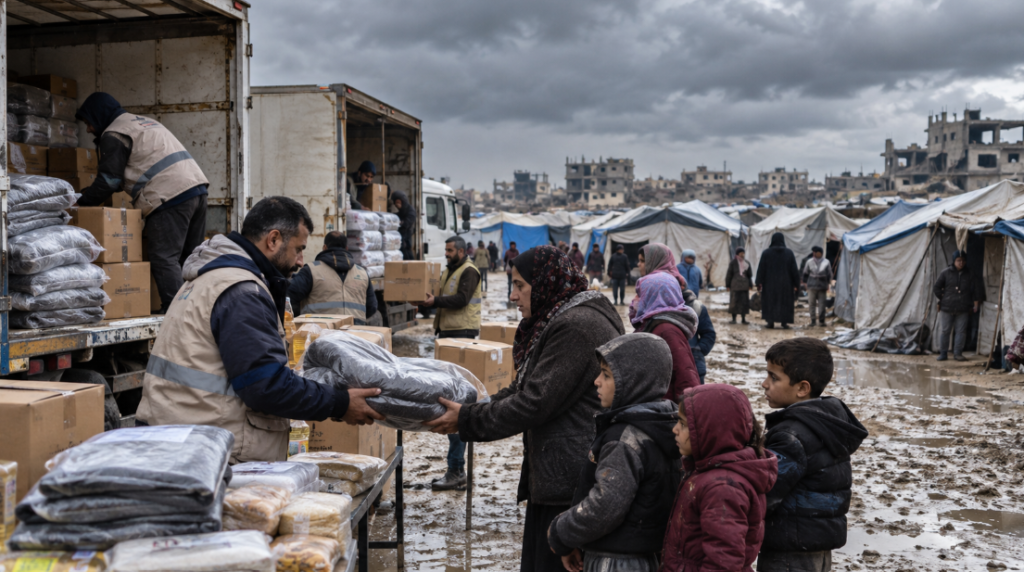
Winter can create serious difficulties for people living in temporary shelters, particularly in areas where infrastructure has been damaged or destroyed.
Gaza has experienced extensive displacement during the continuing conflict.
Many families have been forced to leave their homes and seek shelter in temporary accommodation.
Such living conditions can become particularly difficult during periods of heavy rainfall and strong winds.
Temporary tents may not provide sufficient protection from cold weather, while damaged buildings can create additional safety risks.
Waterlogging can also affect roads, temporary settlements and access to basic services.
For displaced families, the arrival of winter is therefore not simply a seasonal change. It can increase the risk of illness, exposure and further humanitarian difficulties.
Germany’s Appeal to Israel
German Foreign Minister Johann Wadephul called on Israel to allow substantially more humanitarian assistance into Gaza.
He made the appeal before the European Union foreign ministers’ meeting in Brussels.
The German government has emphasised the importance of improving humanitarian access and ensuring that civilians can receive essential assistance.
Germany is an important European diplomatic partner and has maintained a significant role in discussions concerning Israel, Palestinian territories and regional security.
Its latest statement reflects growing concern among European governments about the humanitarian consequences of the continuing conflict.
The EU foreign ministers were expected to discuss the latest developments in the Middle East, including the situation in Gaza.
Why Humanitarian Aid Is Essential
Humanitarian assistance includes food, clean drinking water, medicines, medical equipment, shelter materials and other basic necessities.
In conflict-affected areas, these supplies can become difficult to obtain because of damaged infrastructure, restrictions on movement and security challenges.
Humanitarian organisations require safe and predictable access to affected communities.
The absence of sufficient assistance can create serious difficulties for families who have lost their homes and sources of income.
Children, older people, pregnant women and people with disabilities may face particularly severe challenges.
Access to healthcare is also essential because overcrowded shelters and poor sanitation can increase the risk of infectious diseases.
The Importance of Food Security
Food security remains one of the most important humanitarian concerns in Gaza.
Families displaced by conflict may have limited access to regular food supplies and cooking facilities.
When supply routes are disrupted, the availability of essential food products can become uncertain.
Humanitarian agencies often need to organise food distribution programmes and emergency assistance to support affected households.
However, delivering food is only one part of the problem.
Reliable access to clean water, sanitation, fuel and medical services is also necessary to protect public health.
International organisations have repeatedly highlighted the need for predictable humanitarian access.
Medical Facilities Face Major Challenges
Healthcare services are essential during humanitarian emergencies.
Hospitals and medical centres need electricity, medicines, medical equipment, fuel and trained healthcare professionals.
When these resources become limited, it becomes more difficult to treat injured people and patients with chronic illnesses.
Emergency medical services may also face difficulties reaching affected areas because of damaged roads and security restrictions.
Children and older people are especially vulnerable when access to routine medical treatment is disrupted.
International humanitarian agencies therefore emphasise the importance of maintaining medical supply chains and protecting healthcare facilities.
The Role of the United Nations and International Relief Organisations
The United Nations and several international humanitarian organisations play an important role in responding to emergencies in Gaza.
Their work includes providing food assistance, healthcare support, emergency shelter and other essential services.
Humanitarian organisations also monitor conditions and report on the needs of affected populations.
The United Nations Office for the Coordination of Humanitarian Affairs, known as OCHA, coordinates information and humanitarian response activities across crisis-affected regions.
Other organisations provide medical services, food distribution, shelter materials and support for displaced families.
However, humanitarian operations depend on access, funding, security arrangements and the availability of supplies.
Even when international donors provide financial support, assistance cannot reach people effectively if transportation and access remain restricted.
Why European Countries Are Discussing Gaza
The European Union is an important diplomatic and economic actor in the Middle East.
Its member countries maintain different relationships with Israel and the Palestinian leadership, but humanitarian concerns remain an important part of European foreign policy discussions.
EU foreign ministers regularly review developments in the region and discuss diplomatic responses.
Germany’s latest appeal is particularly important because it demonstrates that humanitarian access remains a major concern among European governments.
The EU may also discuss the need for international humanitarian law to be respected and for civilian protection to remain a priority.
However, diplomatic statements do not automatically result in changes on the ground.
Effective humanitarian assistance requires practical arrangements involving authorities, relief agencies and international partners.
The Difference Between Humanitarian Aid and Political Negotiations
The Gaza humanitarian situation is connected to a wider political and security conflict.
However, humanitarian assistance and political negotiations are separate but related issues.
Humanitarian aid focuses on the immediate needs of civilians.
It includes food, shelter, water, medicines and emergency services.
Political negotiations address broader questions involving security, governance, territorial arrangements and the future of the Israeli-Palestinian conflict.
Humanitarian organisations generally stress that assistance should be provided according to humanitarian principles, including humanity, neutrality, impartiality and independence.
The protection of civilians should remain central regardless of political disagreements.
What Could Happen as Winter Approaches?
The coming weeks could be particularly important for displaced families in Gaza.
If humanitarian access improves, more food, medical supplies and shelter materials may become available.
This could help reduce some of the difficulties faced by people living in temporary settlements.
However, if access remains limited and winter weather intensifies, conditions could become more difficult.
Rainfall, flooding, cold temperatures and damaged infrastructure could increase the need for emergency shelter and medical assistance.
Humanitarian agencies may need additional funding and logistical support to expand their operations.
International Law and Civilian Protection
The protection of civilians during armed conflict is a fundamental principle of international humanitarian law.
Parties to an armed conflict have obligations concerning the treatment of civilians, the protection of humanitarian personnel and the facilitation of humanitarian assistance under applicable legal rules.
Civilian infrastructure, medical facilities and humanitarian operations are particularly important during prolonged conflicts.
International governments and organisations continue to call for measures that reduce civilian suffering and improve humanitarian access.
The situation in Gaza remains a major subject of international legal, political and humanitarian debate.
Why the Issue Matters Beyond the Middle East
The humanitarian situation in Gaza has international consequences beyond the immediate region.
It influences diplomatic relationships between governments, public opinion, international humanitarian funding and discussions at the United Nations.
The crisis has also contributed to wider debates about civilian protection, international law and the responsibilities of governments during armed conflicts.
European governments, Middle Eastern countries and international organisations all have interests in preventing further deterioration.
Humanitarian assistance can help address immediate needs, but a sustainable improvement in living conditions also depends on wider political and security developments.
Conclusion
Germany’s latest appeal to Israel highlights the urgency of improving humanitarian access to Gaza before the arrival of winter.
The needs of displaced families include food, clean water, medical assistance, shelter materials and protection from severe weather.
As the humanitarian situation continues to attract international attention, the effectiveness of relief operations will depend on safe access, adequate supplies and cooperation among the relevant authorities.
The coming weeks will be important in determining whether humanitarian assistance can be expanded sufficiently to support vulnerable civilians.