Nitish Setu to Boost Connectivity in Bihar
|
Getting your Trinity Audio player ready...
|
Vaishali, Bihar | November 21, 2026
Prime Minister Narendra Modi is scheduled to visit Bihar on November 21 to inaugurate, dedicate to the nation and lay the foundation stones of development projects worth approximately ₹34,470 crore. The programme in Vaishali is expected to mark an important milestone in the state’s infrastructure development, with projects covering road connectivity, energy, urban infrastructure, water resources, education, healthcare and transportation.
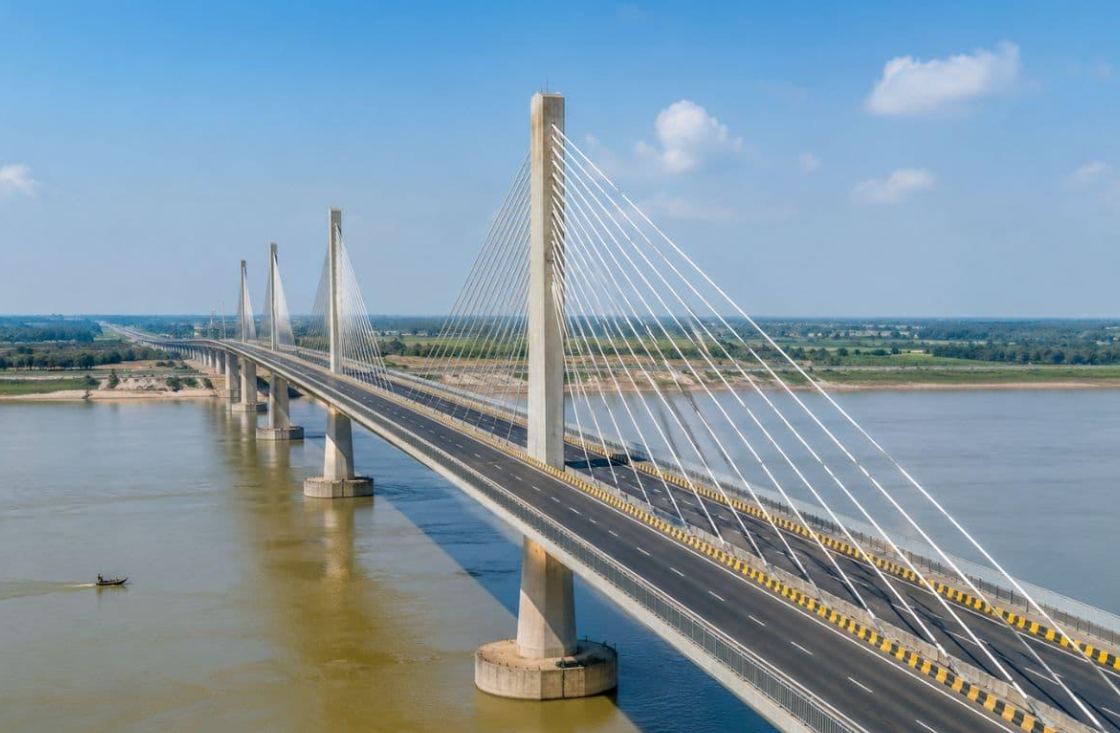
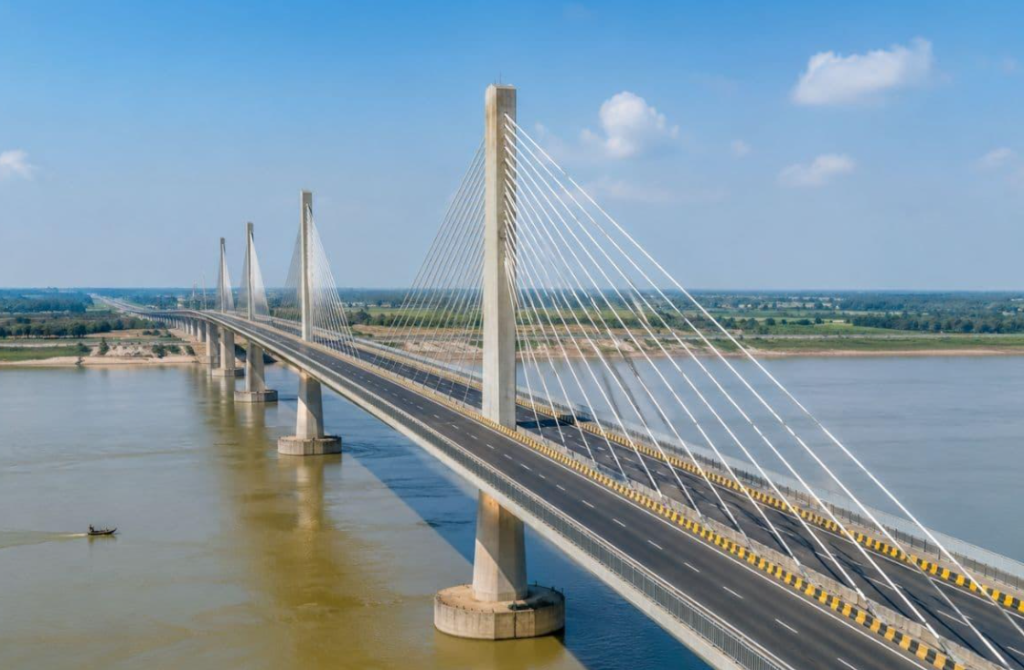
One of the biggest highlights of the visit is the dedication of Nitish Setu, a six-lane extradosed cable-stayed bridge constructed across the River Ganga. The project is expected to improve connectivity between North and South Bihar, reduce pressure on existing bridges and support the movement of passengers and commercial vehicles.
According to the Prime Minister’s Office, the Prime Minister is scheduled to visit the bridge at around 1:15 PM before attending the main development programme at approximately 2 PM.
Nitish Setu: A major infrastructure project across the Ganga
Nitish Setu has been constructed at an estimated cost of approximately ₹4,280 crore. The 19.7-kilometre project connects Kachhi Dargah on National Highway 22 in Patna district with Bidupur on National Highway 322 in Vaishali district.
The project consists of a 9.7-kilometre main bridge and approximately 10 kilometres of approach roads.
The bridge is expected to provide an additional crossing over the Ganga and ease traffic pressure on existing infrastructure, particularly Mahatma Gandhi Setu and JP Setu.
For residents of North Bihar, better connectivity with Patna has significant practical importance. People travelling for education, healthcare, employment and business activities often depend on road connectivity between the two sides of the river.
Improved access can also help farmers and traders transport agricultural produce and industrial goods more efficiently.
Why is the project important for Bihar’s economy?
Infrastructure development is closely connected with economic growth. Better roads and bridges can reduce transportation costs, improve access to markets and encourage commercial activities.
For agricultural communities, transportation infrastructure can influence how quickly products reach wholesale markets and processing centres.
For businesses, better connectivity can make it easier to transport raw materials, finished products and machinery.
The project may also create opportunities for commercial development in areas connected through the new bridge.
However, the long-term benefits will depend on the quality of maintenance, traffic management and the development of connecting roads.
₹34,470 crore development programme: Multiple sectors in focus
The programme includes projects in several important sectors.
Road infrastructure is one of the central components, with major highway projects intended to improve transportation within Bihar and strengthen connections with neighbouring regions.
Energy infrastructure is another important area. Reliable electricity supply is essential for industrial growth, commercial establishments, healthcare facilities and households.
Urban infrastructure and water resource projects are also expected to improve public services.
Education and healthcare investments can strengthen the social infrastructure required for long-term development.
The Prime Minister is also scheduled to participate in the Griha Pravesh programme for more than 26,900 beneficiaries under the Pradhan Mantri Awas Yojana (Urban).
This housing initiative is aimed at helping eligible families access permanent residential accommodation.
Employment and business opportunities
Large infrastructure projects can generate employment during construction and implementation.
Engineers, construction workers, transport operators, suppliers and other service providers may benefit from project-related activities.
Once operational, improved connectivity can support additional economic activity in nearby towns and villages.
Small businesses, hotels, warehouses, transport operators and agricultural traders may benefit from increased movement of people and goods.
However, infrastructure development must be supported by transparent implementation, environmental safeguards and effective monitoring.
Challenges that remain
The construction of a bridge is only one part of a successful transportation network.
Connecting roads must be maintained properly, traffic congestion must be managed and structural safety inspections must be conducted regularly.
Authorities will also need to ensure that surrounding communities receive meaningful benefits from the project.
The success of Nitish Setu will ultimately be measured not only by its engineering scale but also by the improvements it brings to everyday travel, commerce and access to essential services.
Conclusion
The ₹34,470 crore development programme represents a major infrastructure push for Bihar. Nitish Setu is one of its most significant components and is expected to strengthen connectivity across the Ganga.
The project could support trade, improve transportation and make access to essential services easier for people living in North and South Bihar.
The real test will be how effectively these investments translate into better public services, economic opportunities and improved living standards.