COP31 Climate Summit Faces Deadlock as Countries Struggle
|
Getting your Trinity Audio player ready...
|
ANTALYA, TURKEY — November 21, 2026
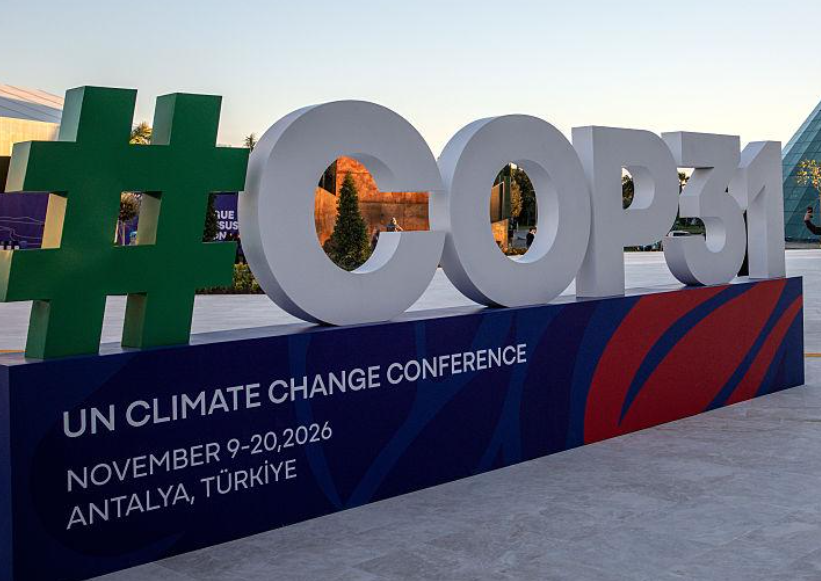
The United Nations COP31 climate conference in Antalya, Türkiye, has entered a critical phase after negotiations between participating countries failed to conclude on schedule.
Representatives from nearly 200 countries are attempting to reach an agreement on climate action, financial assistance, fossil fuel consumption and strategies to reduce global greenhouse gas emissions.
However, disagreements over the wording of the proposed agreement have delayed the conclusion of the summit.
Why are the negotiations facing difficulties?
One of the biggest disagreements concerns the future of fossil fuels, including coal, oil and natural gas.
Several countries and climate campaigners have been pushing for stronger international commitments to reduce dependence on fossil fuels.
However, negotiations have become complicated because countries have different economic priorities and energy requirements.
Developing economies argue that they require sufficient financial and technological support to transition towards cleaner energy without compromising economic development.
Meanwhile, major energy-producing countries remain concerned about the economic consequences of rapid changes to the global energy system.
Fossil fuel phase-out removed from the proposed text
One of the most controversial developments at COP31 has been the removal of stronger language calling for an accelerated phase-out of fossil fuels from a revised draft agreement.
Earlier proposals had included more ambitious language on reducing dependence on polluting energy sources.
However, the latest negotiations have focused more heavily on electrification and other measures to reduce emissions.
Electrification involves replacing technologies powered by fossil fuels with electricity, ideally generated through renewable and other low-carbon energy sources.
This approach could transform sectors such as:
- Transportation through electric vehicles.
- Manufacturing through cleaner industrial technologies.
- Electricity production through renewable energy.
- Buildings through energy-efficient heating and cooling.
- Heavy industry through low-carbon production systems.
Nevertheless, environmental organisations have expressed concerns that removing explicit commitments on fossil fuels could weaken the overall ambition of the agreement.
Climate finance becomes another major issue
Climate finance is another important subject dividing participating countries.
Developing nations frequently argue that they are experiencing serious consequences of climate change despite contributing relatively little to historical greenhouse gas emissions.
They are seeking financial support for:
- Building climate-resilient infrastructure.
- Protecting coastal communities.
- Improving agricultural resilience.
- Developing renewable energy projects.
- Preparing for floods, droughts and extreme weather.
- Recovering from climate-related disasters.
The revised negotiations have also faced disagreements over adaptation finance, including the removal of a proposed $120 billion target from the draft text.
For vulnerable countries, financial commitments are essential because climate adaptation requires substantial investment.
Why COP31 matters to the entire world
Climate change is no longer limited to environmental discussions. It directly affects international trade, food security, energy prices, public health and economic development.
Rising temperatures can increase the frequency and intensity of certain extreme weather events, including heatwaves and heavy rainfall.
Agricultural production is particularly vulnerable because changing rainfall patterns and prolonged droughts can damage crops and threaten food supplies.
Coastal communities also face increasing risks from rising sea levels and coastal flooding.
For developing countries, international climate agreements can influence access to technology, funding and long-term infrastructure investment.
What happens next?
Negotiators are continuing discussions in an effort to finalise a common agreement.
COP31 President Murat Kurum indicated that discussions were approaching the final stage, but important disagreements remained.
The outcome will be closely watched by governments, environmental organisations, investors and businesses around the world.
International significance: The outcome of COP31 could influence international climate policies, renewable energy investment and the future of global fossil fuel consumption.