
India vs New Zealand 1st Test: KL Rahul Smashes Historic 136
|
Getting your Trinity Audio player ready...
|
Wellington, New Zealand | November 21, 2026
India produced an outstanding batting performance on the third day of the first Test against New Zealand at the Basin Reserve in Wellington, taking control of the contest with a commanding first-innings lead.
At stumps on Saturday, India had reached 486/4 in response to New Zealand’s first-innings total of 368, giving the visitors a valuable lead of 118 runs with two days remaining.
The biggest highlight of the day was KL Rahul’s magnificent 136-run innings. The Indian opener displayed exceptional patience and concentration to score his 13th Test century.
Devdutt Padikkal contributed 80 runs, while captain Shubman Gill narrowly missed a century after being dismissed for 98.
Rishabh Pant remained unbeaten on 55 at the close of play.

India’s performance completely changed the momentum of the match after New Zealand had recovered from an early collapse in their first innings.
Match Scorecard
1st Test – Basin Reserve, Wellington
New Zealand
368
First innings
India
486/4
First innings – Day 3 stumps
India’s lead
118 runs
Remaining days
2
India in a strong position
Score at the end of Day 3, November 21, 2026. Match still in progress.
New Zealand’s first innings: A remarkable recovery from 70/5
New Zealand’s first innings began with considerable difficulty.
The Indian bowling attack made excellent use of the early conditions and put the home side under pressure.
New Zealand lost five wickets for just 70 runs, leaving the batting order in a difficult position.
At that stage, India appeared to be heading towards a substantial first-innings advantage.
However, Henry Nicholls and Glenn Phillips produced a remarkable recovery.
Their partnership changed the direction of the innings and prevented New Zealand from collapsing to a low total.
Henry Nicholls scores an unbeaten 175
Henry Nicholls was the standout performer for New Zealand.
He scored an unbeaten 175 and demonstrated excellent concentration throughout his innings.
After losing five early wickets, New Zealand needed someone to take responsibility and rebuild the innings.
Nicholls did exactly that.
Rather than attempting unnecessary attacking shots, he focused on building partnerships and scoring runs through sensible batting.
His innings helped New Zealand regain control and put pressure back on the Indian bowling attack.
Glenn Phillips adds 118 runs
Glenn Phillips also played an outstanding innings, scoring 118 runs.
His partnership with Nicholls for the sixth wicket was particularly important.
The two batsmen added 216 runs, rescuing New Zealand from a difficult position.
Their contribution allowed the home side to reach 368 runs in the first innings.
It was a significant recovery considering that New Zealand had been struggling at 70/5 earlier in the innings.
India’s response: A strong batting display
India began their first innings with the challenge of negotiating New Zealand’s bowling attack in unfamiliar conditions.
The Basin Reserve is known for offering assistance to seam bowlers, particularly when conditions are favourable.
However, India’s top order showed excellent discipline and gradually established control.
The Indian batsmen combined defensive technique with attacking strokes, ensuring that New Zealand could not build sustained pressure.
The visitors scored 327 runs for the loss of three wickets on Day 3 alone, putting themselves in a commanding position.
KL Rahul’s historic 136-run century
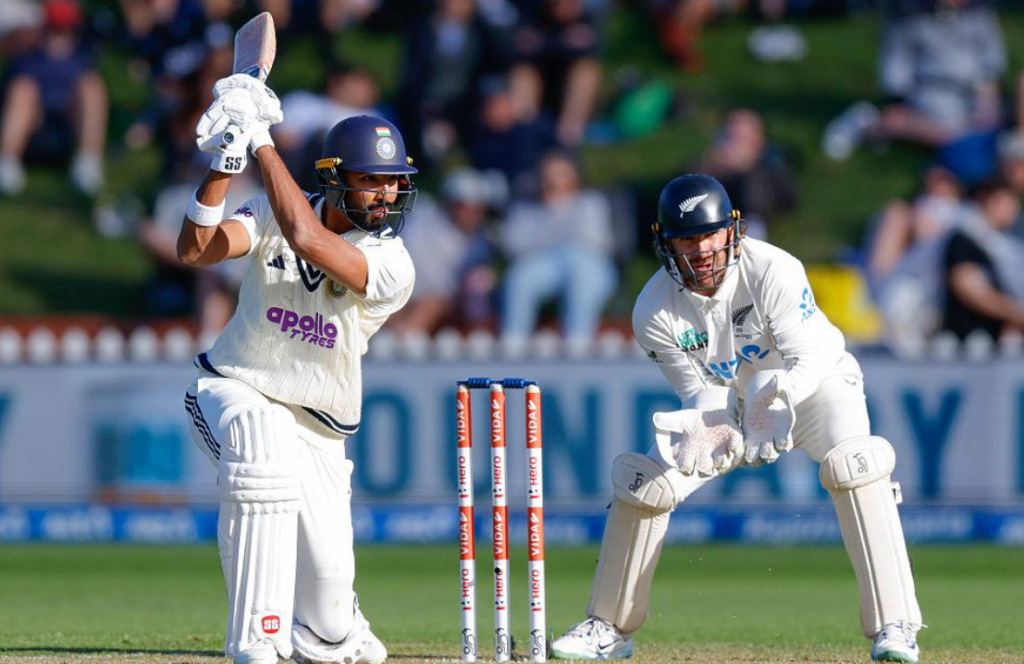
KL Rahul was undoubtedly India’s biggest star on the third day.
The experienced opener scored 136 runs from 290 deliveries, hitting nine boundaries and two sixes.
The innings represented his 13th Test century and demonstrated his ability to succeed in challenging overseas conditions.
Rahul’s approach was built around patience and concentration.
He did not rush his innings. Instead, he carefully assessed the bowling attack and gradually increased his scoring rate.
His ability to remain at the crease for 290 balls was particularly valuable on a surface where the bowlers had initially enjoyed assistance.
A significant SENA record
Rahul’s century also brought him an important statistical achievement.
He became the first Indian opener to score Test centuries in all four SENA countries.
SENA stands for:
- South Africa
- England
- New Zealand
- Australia
These countries are generally considered challenging destinations for visiting batsmen because of their pace-friendly conditions, movement and bounce.
Scoring centuries across all four countries demonstrates considerable adaptability.
Rahul’s performance has once again highlighted his experience and ability to contribute in overseas Test cricket.
Devdutt Padikkal’s important contribution of 80 runs
Captain Shubman Gill was another major contributor.
He scored 98 runs and narrowly missed his 12th Test century.
Gill played with confidence and attacked the New Zealand bowling attack throughout much of his innings.
His stroke play was particularly effective once he settled at the crease.
He also showed good judgment while dealing with difficult deliveries.
However, the pressure increased as he approached the three-figure mark.
Jacob Duffy eventually bowled Gill in the final session, ending his innings at 98.
Although he missed a century, Gill’s contribution helped India extend its lead considerably.
Rishabh Pant remains unbeaten on 55
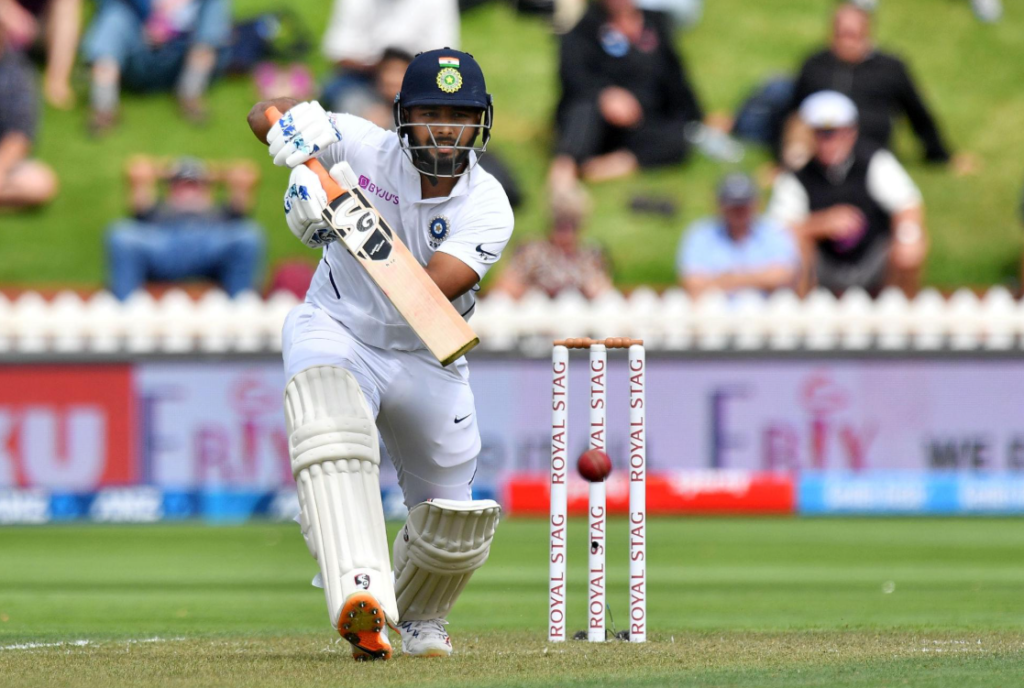
Rishabh Pant provided another important contribution towards the end of the day.
He reached an unbeaten 55 and demonstrated his ability to counter New Zealand’s bowling plans.
The home side attempted to trouble him with short-pitched deliveries, but Pant gradually settled into his innings.
His presence at the crease gives India an opportunity to extend its lead further on Day 4.
Pant’s attacking style could become particularly important if India decides to increase the scoring rate before declaring.
India’s batting performance: Key contributors
| Batter | Runs |
|---|---|
| KL Rahul | 136 |
| Yashasvi Jaiswal | 85 |
| Devdutt Padikkal | 80 |
| Shubman Gill | 98 |
| Rishabh Pant | 55* |
These performances underline the strength of India’s batting effort.
All five of the leading contributors crossed the 50-run mark, giving India a substantial advantage.
New Zealand bowling struggles
New Zealand’s bowling attack found it difficult to dismiss India’s top order during the third day.
Kyle Jamieson managed to dismiss Devdutt Padikkal, while Jacob Duffy claimed the wicket of Shubman Gill.
However, the Indian batters consistently found ways to score runs.
Duffy conceded 180 runs, while Jamieson conceded 57 runs.
The lack of regular wickets meant New Zealand could not prevent India from building a substantial first-innings lead.
What can India do on Day 4?
India will begin the fourth day with a lead of 118 runs and six wickets remaining.
The team’s immediate objective will be to extend that advantage.
Rishabh Pant is already unbeaten on 55, and the lower order can potentially add valuable runs.
India may look to build a substantial lead before considering a declaration.
The timing of a declaration will be an important tactical decision.
If India scores quickly and establishes a large advantage, the bowling attack could receive sufficient time to put New Zealand under pressure in the second innings.
New Zealand’s challenge
New Zealand will need early wickets on Day 4.
The home side cannot afford to allow India to extend its lead significantly.
Its bowlers must maintain discipline, target the stumps and create opportunities.
The second innings will also be crucial for New Zealand’s batsmen.
They will need to build partnerships and avoid the early collapse that affected their first innings.
Is India now favourite to win?
India has clearly moved into a stronger position after the third day.
A 118-run lead with six wickets remaining provides the visitors with a valuable advantage.
However, Test cricket is a five-day contest, and the match is far from over.
New Zealand still has an opportunity to fight back through disciplined bowling and a strong second-innings batting performance.
Weather conditions, pitch behaviour and the timing of India’s declaration could all influence the final result.
It would therefore be premature to declare India the winner at this stage.
Conclusion: KL Rahul leads India’s impressive comeback
The third day of the first Test between India and New Zealand belonged to India’s batting unit, particularly KL Rahul.
His 136-run century, combined with valuable contributions from Yashasvi Jaiswal, Devdutt Padikkal, Shubman Gill and Rishabh Pant, put India in a commanding position.
New Zealand had earlier recovered from 70/5 through the outstanding partnership between Henry Nicholls and Glenn Phillips.
However, India’s response has shifted the momentum of the match.
With two days remaining, the fourth day will be extremely important.
India will aim to extend its advantage, while New Zealand will look for early wickets and an opportunity to return to the contest.
KL Rahul’s historic century remains the defining moment of Day 3, while Shubman Gill’s unfortunate dismissal at 98 was another major talking point.