Mexico Captures FBI’s Most-Wanted Cartel Leader ‘El Chapo Isidro’
|
Getting your Trinity Audio player ready...
|
Sinaloa, Mexico
Date: 21–22 November 2026
Category: International Crime | Security | Drug Trafficking
What happened?
Mexican security forces have captured a major drug cartel leader, Fausto Isidro Meza Flores, widely known as ‘El Chapo Isidro’, in a major military operation in the country’s northwestern state of Sinaloa.
The arrest is being viewed as a significant development in Mexico’s continuing campaign against organised crime and international drug trafficking.
However, the operation also triggered deadly violence.
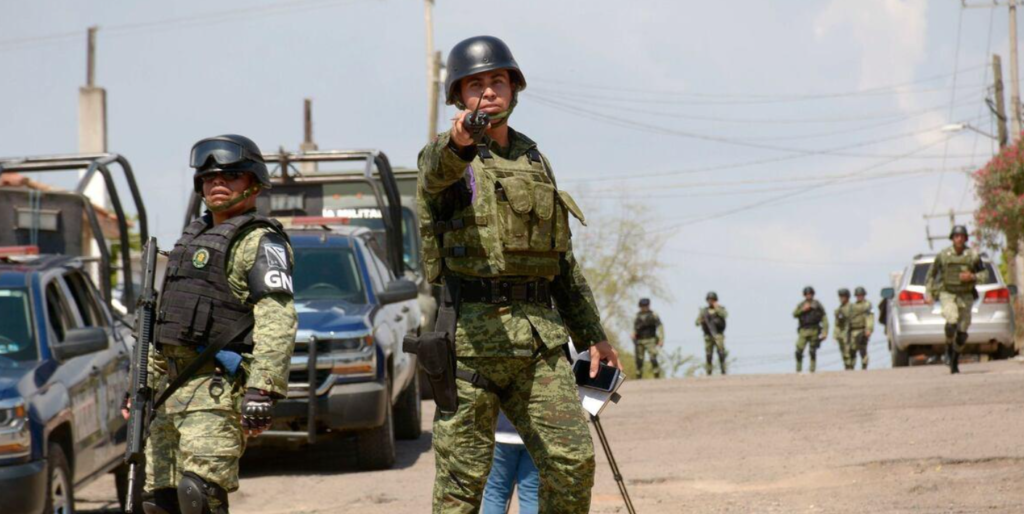
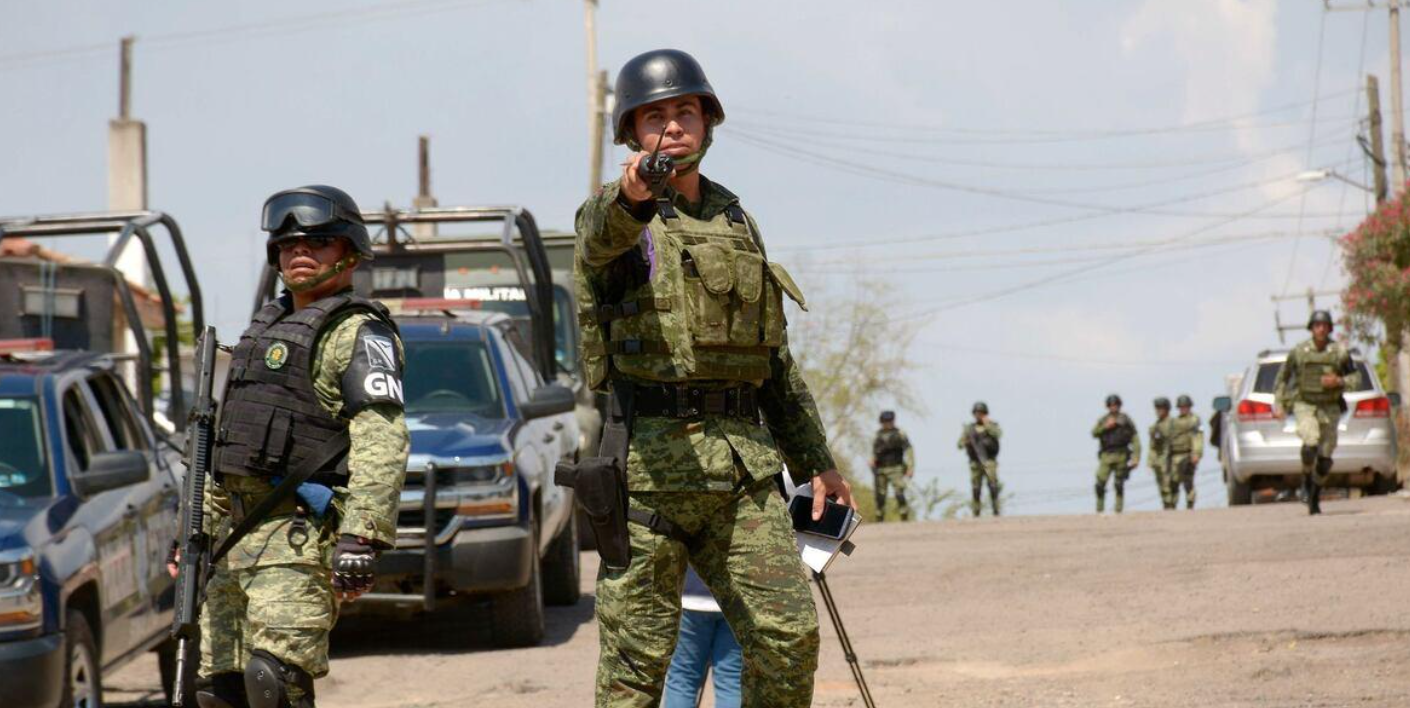
According to Mexico’s Defence Ministry, at least 11 people were killed during the confrontation, including seven alleged cartel gunmen and four Mexican soldiers.
The operation took place in Guasave, Sinaloa, where security forces reportedly faced heavy armed resistance.
After the operation, the captured cartel leader was transported to Mexico City
Who is El Chapo Isidro?
Fausto Isidro Meza Flores is a prominent figure in Mexico’s organised drug-trafficking networks.
He was associated with the Beltrán Leyva cartel and subsequently became the leader of his own criminal organisation, known as the Meza-Flores Transnational Criminal Organization.
US authorities had placed him on the FBI’s Ten Most Wanted Fugitives list.
He was wanted in connection with alleged drug-trafficking and firearms offences.
According to US authorities, his organisation had been involved in trafficking substantial quantities of illegal drugs, including:
- Cocaine
- Heroin
- Methamphetamine
- Marijuana
The US government had reportedly offered a reward of up to $5 million for information leading to his arrest or conviction.
How did the military operation unfold?
The operation involved Mexican military and security personnel, reportedly supported by intelligence cooperation with the United States.
Authorities arrested Meza Flores along with two other alleged senior members of his organisation.
They included:
- Germán N., known as Serafín, identified as the alleged second-in-command.
- José N., identified as an alleged financial operator.
The operation was followed by an intense confrontation between security forces and suspected cartel gunmen.
Gunfire, burning vehicles, roadblocks and military helicopter activity were reported in Guasave and surrounding areas.
Residents experienced a period of extreme uncertainty as armed confrontations disrupted normal activities.
The military subsequently managed to transport the arrested individuals to Mexico City for further legal proceedings
Why is this arrest important for Mexico?
Mexico has struggled with organised criminal networks for decades.
Drug-trafficking organisations have developed extensive operations involving international smuggling routes, illegal weapons, extortion and territorial disputes.
The capture of a senior cartel leader could disrupt the organisation’s leadership and potentially weaken some of its operations.
It also demonstrates the importance of intelligence-sharing between Mexico and the United States.
Could the arrest trigger further violence?
Despite the significance of the capture, security experts warn that arresting major cartel leaders does not automatically dismantle their criminal networks.
In some cases, removing a powerful leader can create internal disputes over territory, money and control.
Competing criminal groups may attempt to take advantage of the leadership vacuum.
This could lead to additional violence in areas where rival organisations are already fighting for influence.
The situation in Sinaloa therefore remains an important security concern for Mexican authorities.
International implications
The arrest also has implications for US–Mexico relations.
The United States has repeatedly called for stronger action against drug-trafficking organisations responsible for supplying illegal drugs across its borders.
Cooperation between the two countries is important in areas such as intelligence-sharing, border security, financial investigations and organised-crime enforcement.
However, the long-term challenge remains dismantling the financial and logistical networks that support these organisations.
Conclusion: The capture of El Chapo Isidro represents a major development in Mexico’s campaign against organised crime. Nevertheless, the 11 deaths and the violence that followed highlight the continuing security challenges facing the country.