Trump Seeks a Permanent Nuclear Agreement With Iran
|
Getting your Trinity Audio player ready...
|
Washington, United States / Tehran, Iran
Date: 21–22 November 2026
Category: Geopolitics | Nuclear Security | International Relations
What happened?
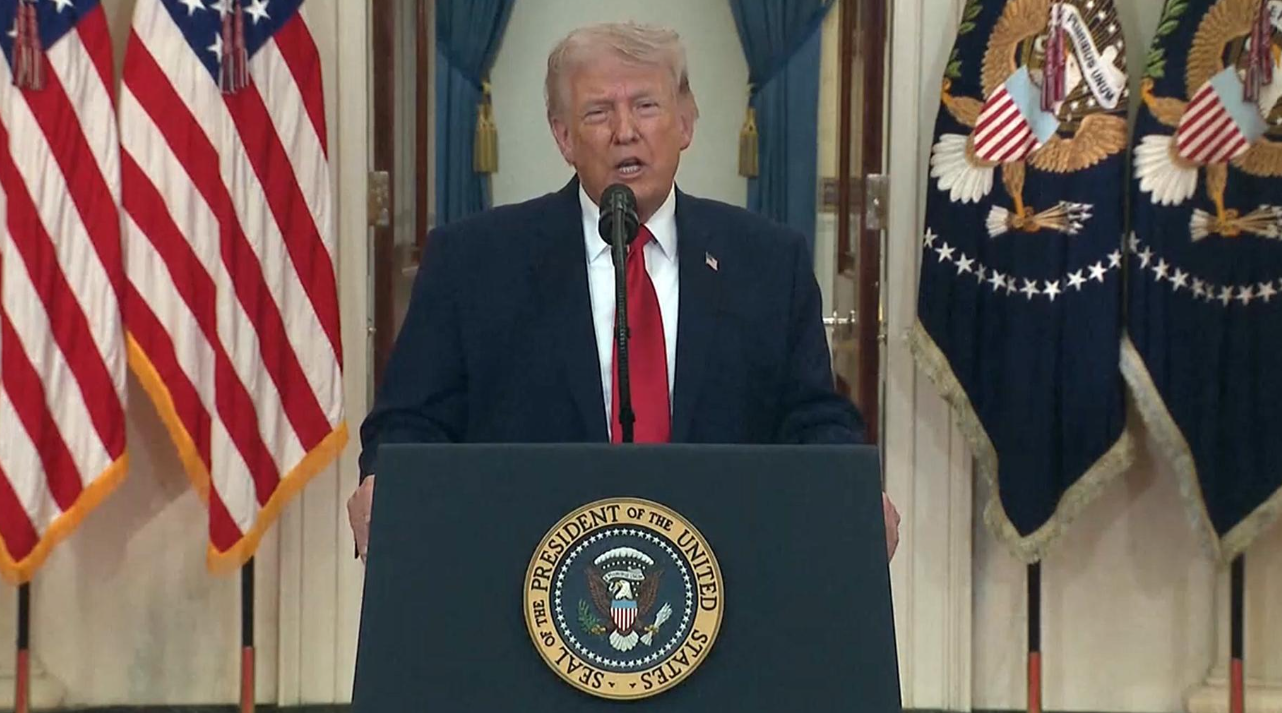
US President Donald Trump has announced that his administration wants to secure a permanent agreement with Iran to prevent the country from developing nuclear weapons.
Speaking in an interview on November 21, Trump stressed that any agreement must remain effective even after future changes in American political leadership.
He said his objective was to ensure that Iran would not be able to obtain nuclear weapons under any future US administration.
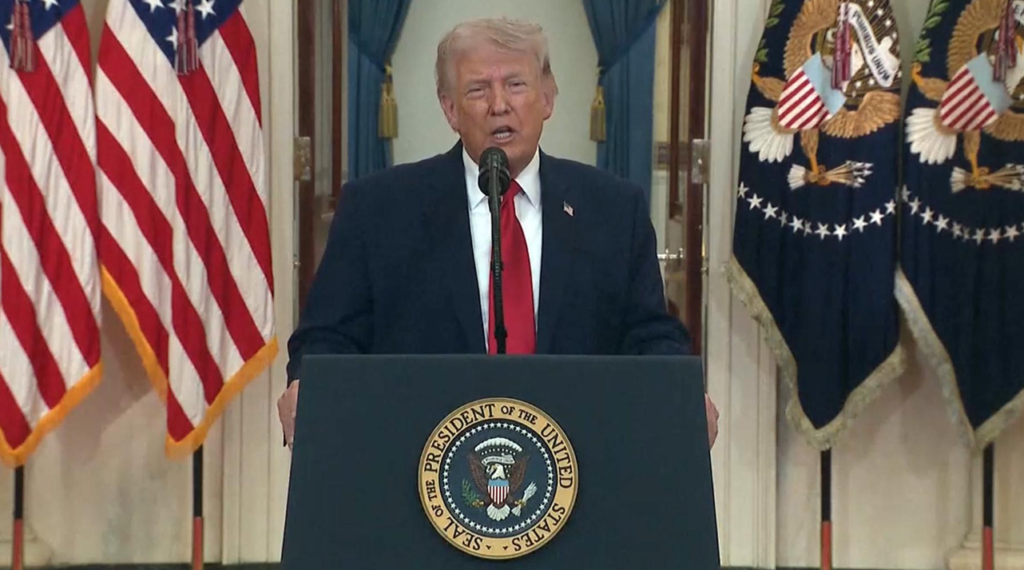
The statement comes amid continuing military tensions between Washington and Tehran, following the conflict that began in February 2026.
Trump also indicated that negotiations with Iranian officials had been difficult, accusing Tehran of failing to maintain previous commitments.
Why is the nuclear issue so important?
Iran’s nuclear programme has remained one of the most controversial international security issues for years.
The United States and several Western countries have expressed concerns that Iran could use its nuclear technology to develop nuclear weapons.
Iran, meanwhile, has repeatedly defended its nuclear programme, maintaining that it has legitimate civilian and peaceful purposes.
A permanent agreement would potentially involve several important issues:
- Restrictions on uranium enrichment.
- International monitoring of nuclear facilities.
- Verification of Iran’s nuclear activities.
- Arrangements for previously enriched nuclear material.
- Long-term guarantees against the development of nuclear weapons.
However, reaching such an agreement would require significant diplomatic negotiations.
Strait of Hormuz: Another major concern
The nuclear dispute is not the only challenge affecting US–Iran relations.
The Strait of Hormuz, one of the world’s most important maritime energy routes, has become another major point of international concern.
The waterway connects the Persian Gulf with the Gulf of Oman and is a critical route for international oil and gas shipments.
Reports on November 21 said that two tankers had been attacked in the Strait of Hormuz. The United Kingdom Maritime Trade Operations agency reported damage to vessels, although no casualties were initially reported.
Iran has also maintained restrictions on shipping through the strategic waterway amid the conflict.
Impact on the global economy
Any escalation between the United States and Iran could have consequences far beyond the Middle East.
Oil prices: Disruptions to shipping could increase international crude oil prices.
International trade: Shipping companies may face higher insurance premiums and transportation costs.
Inflation: Higher energy prices could increase production and transportation expenses across several economies.
Energy security: Countries dependent on imported oil could face additional economic pressure.
India, China, Japan and several European economies have particular reasons to monitor developments around the Strait of Hormuz.
What happens next?
The biggest question is whether Washington and Tehran can move towards a diplomatic agreement or whether military tensions will continue.
Trump has expressed his preference for a permanent nuclear deal, but there is no confirmed final agreement yet.
Conclusion: The US–Iran dispute is one of the most important geopolitical developments to watch. A successful diplomatic agreement could improve regional stability and international energy security, while further escalation could create significant uncertainty for the global economy.