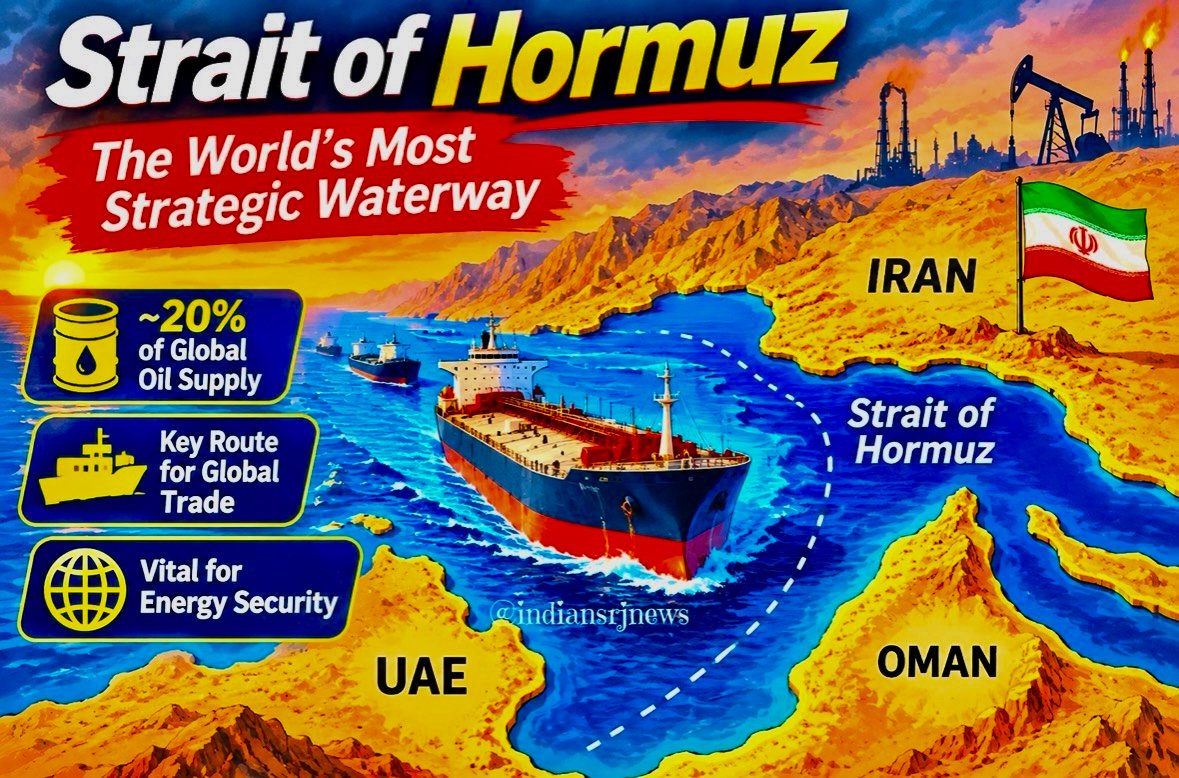
Iran and Qatar Discuss Two-Day Plan to Reopen Strait of Hormuz Amid US Tensions
|
Getting your Trinity Audio player ready...
|
Tehran, November 1, 2026: Iran has indicated that diplomatic efforts are underway to reopen the strategically important Strait of Hormuz within two days, potentially marking a significant development in the ongoing conflict involving Iran, the United States, and Israel.
Iranian Foreign Minister Abbas Araghchi told Al Jazeera that discussions with Qatari mediators are continuing over a proposal that could restore shipping through the critical waterway within 48 hours, provided Washington accepts Tehran’s conditions.
The development comes amid heightened regional tensions, growing concerns over maritime security and continuing diplomatic efforts to prevent further escalation.
Iran Sets Conditions for Reopening the Strait
According to Araghchi, the proposed reopening plan depends on the United States meeting conditions put forward by Tehran.
Qatar is playing an important intermediary role, facilitating communication between Iranian and American representatives.
Iran has not announced that the Strait has officially reopened. The proposal remains dependent on diplomatic negotiations and acceptance of the conditions by Washington.
Why Is the Strait of Hormuz So Important?
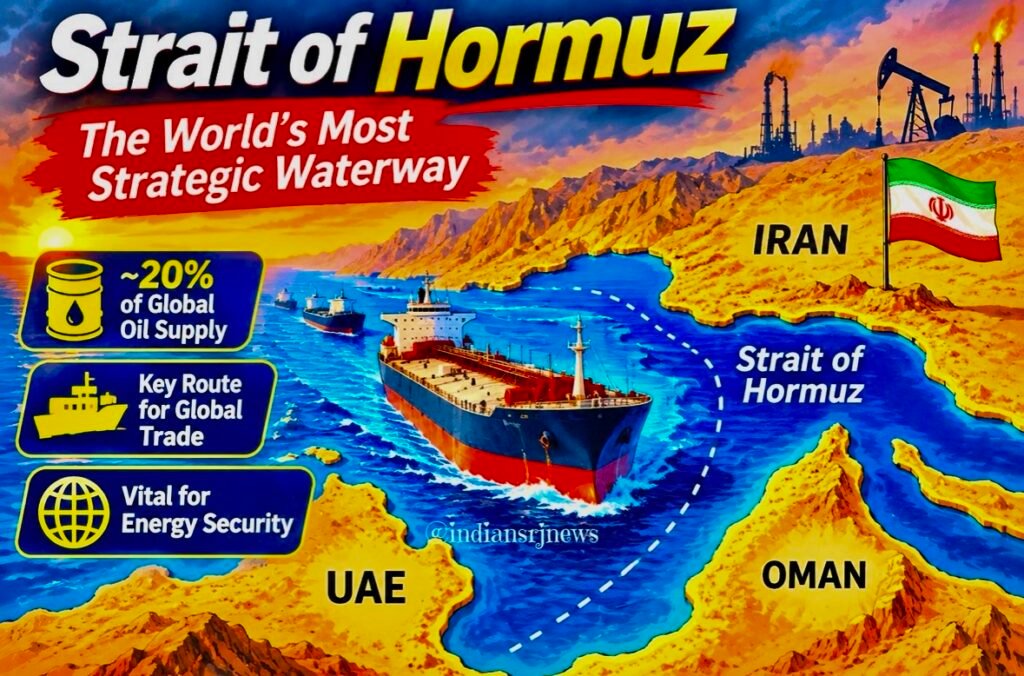
The Strait of Hormuz is one of the world’s most strategically important maritime routes, connecting the Persian Gulf with the Gulf of Oman and the wider Arabian Sea.
A significant share of the world’s oil and liquefied natural gas exports normally passes through this narrow shipping corridor.
Any disruption to maritime traffic can affect international energy supplies, shipping costs, insurance premiums and fuel prices.
Countries across Asia, Europe and other regions closely monitor developments in the waterway because of their dependence on energy imports.
US-Iran Diplomatic Signals Raise Hopes for Dialogue
Another notable development came from Iranian security official Mohsen Rezaei, who said that he had reviewed a letter sent by US Vice President JD Vance.
Rezaei described the change in Washington’s tone as a positive sign.
However, diplomatic progress remains uncertain. The United States has not publicly confirmed acceptance of Iran’s conditions for reopening the waterway.
US Secretary of State Marco Rubio has also said that President Donald Trump has not yet decided whether to launch further military action against Iran.
Regional Security Concerns Continue
The latest diplomatic developments are taking place against the backdrop of continuing maritime security concerns.
According to Al Jazeera’s live coverage, attacks on shipping in the Strait have reached a record level, with at least 35 incidents reported.
Iran’s Supreme Leader Mojtaba Khamenei has also warned that any potential threat from the United States or Israel would receive an immediate response without geographical limitations.
These developments underline the fragile security situation across the Middle East.
What Happens Next?
The next 48 hours could prove important for diplomatic efforts surrounding the Strait of Hormuz.
If Washington and Tehran reach an understanding, the proposed arrangement could help restore maritime movement and reduce pressure on international energy markets.
However, until both sides confirm an agreement and safe passage is restored, the reopening should be treated as a diplomatic proposal rather than a completed development.
International markets, shipping companies and governments are closely watching the situation as negotiations continue.