How Space Innovation Is Changing the Future of Aviation
|
Getting your Trinity Audio player ready...
|
A New Era of Aviation and Space Exploration
The global aerospace industry is entering a new phase of technological development as countries and private companies invest in advanced aircraft, reusable rockets, satellite networks, and next-generation space systems.
From commercial space launches to experimental supersonic aircraft, aerospace technology is rapidly evolving. Governments and private companies are increasingly competing to develop technologies that could transform air transportation, satellite communications, and space exploration.
1. The Race for Commercial Space Launches
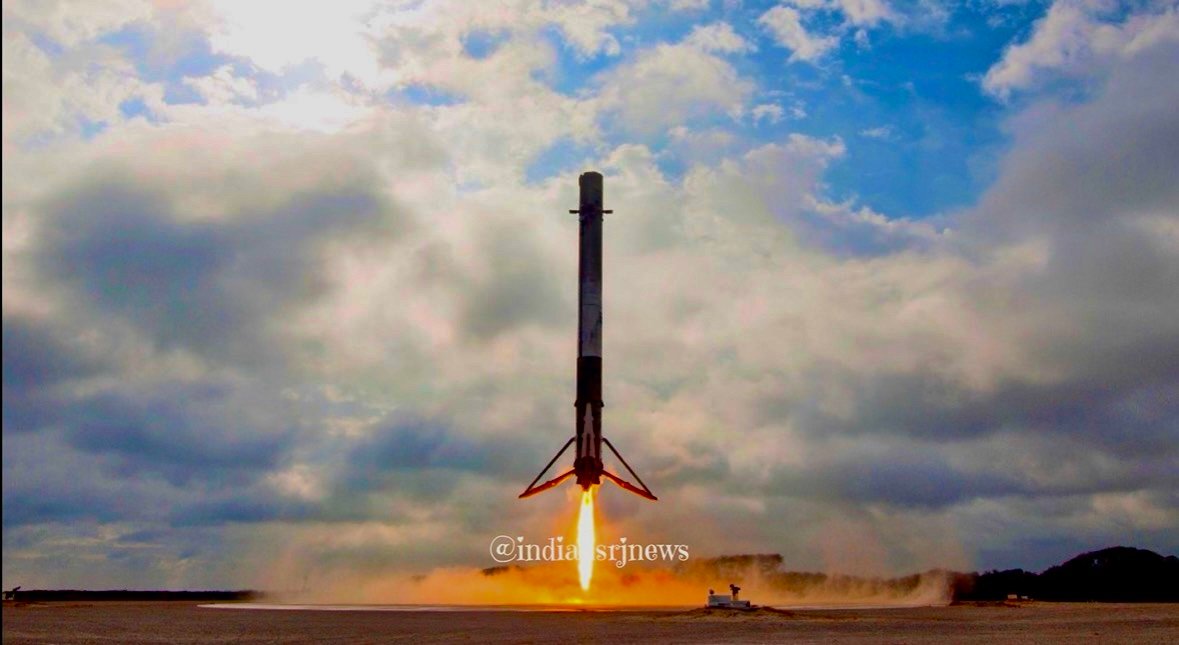
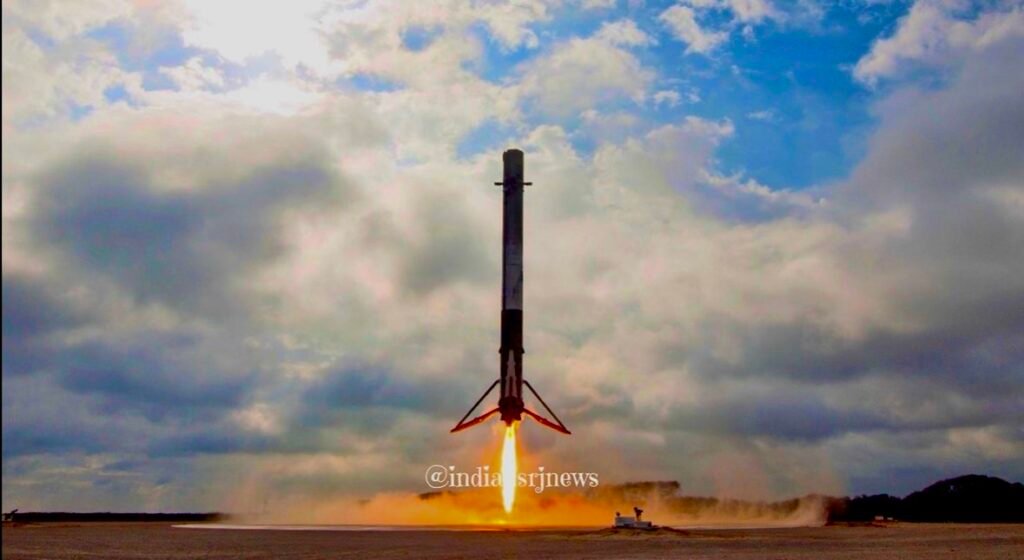
One of the biggest developments in aerospace technology is the rapid expansion of commercial rocket launches.
Companies are working to make space transportation more reliable, affordable and accessible. Reusable rocket technology is helping reshape the economics of launching satellites and transporting equipment into orbit.
SpaceX has continued expanding its launch operations. According to the American Institute of Aeronautics and Astronautics, the company completed its 700th Falcon 9 launch milestone with a Starlink mission on October 31, 2026
NASA’s New Supersonic Aircraft Technology
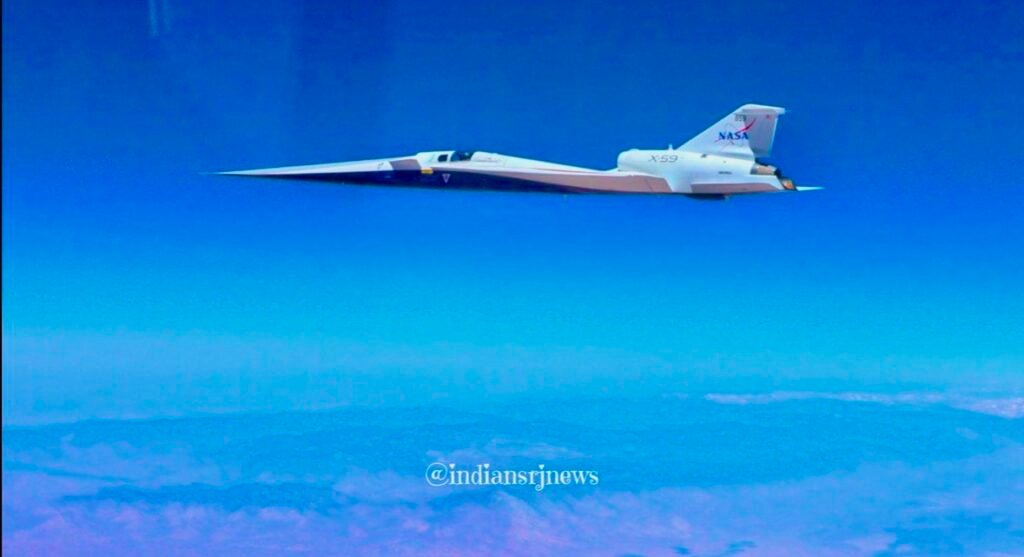
Another major development is the effort to develop quieter supersonic aircraft.
NASA’s experimental X-59 aircraft is designed to investigate technology that could reduce the loud sonic booms traditionally associated with supersonic flight.
On October 28, 2026, the aircraft made its first cross-country flight, marking another milestone in its flight-testing programme.
The research could contribute to future commercial aircraft capable of travelling faster than the speed of sound while reducing noise over populated areas. AIAA
3. The Global Satellite Technology Boom
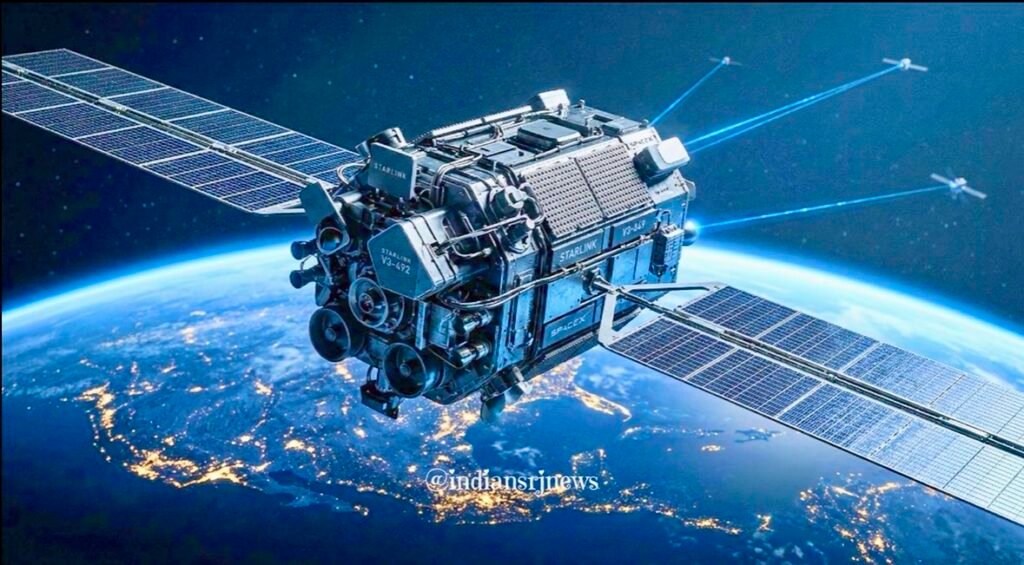
Satellites are becoming increasingly important for modern communication and digital infrastructure.
Satellite networks support internet connectivity, navigation, weather forecasting, disaster monitoring and scientific research.
Companies and governments are investing in larger satellite constellations to expand global connectivity, particularly in remote and underserved regions.
The growing demand for satellite deployment is also increasing pressure on the global rocket launch industry.
Europe is also working to strengthen its independent access to space.
German aerospace startup Isar Aerospace achieved an important milestone in September 2026 when its Spectrum rocket reached orbit in Europe’s first commercial orbital launch from continental Europe.
The development represents a significant step towards building an independent European commercial satellite launch industry.
5. Why Is the Aerospace Industry Growing?
Several factors are contributing to the expansion of the aerospace industry:
- Increasing demand for satellite-based internet services.
- Growing investments in commercial space exploration.
- Development of reusable rocket systems.
- Demand for advanced military and civilian aircraft.
- Improvements in aviation safety and fuel efficiency.
- Growing interest in space-based research and infrastructure.
The industry is also attracting investment from technology companies, private investors, and governments looking to develop advanced aerospace capabilities.
What Could Aerospace Technology Look Like by 2030?
Over the coming years, aerospace development could bring major changes to aviation and space transportation.
Reusable launch vehicles, advanced satellite networks, quieter supersonic aircraft, and more efficient propulsion systems could become increasingly important.
However, significant challenges remain, including development costs, safety regulations, environmental concerns, and the technical complexity of operating in space.
Conclusion: The Future Is Beyond the Sky
Aerospace technology is no longer limited to traditional aircraft manufacturing. It now connects aviation, artificial intelligence, robotics, satellite communications, and advanced space exploration. As governments and private companies continue investing in this sector, the competition to develop the next generation of aircraft and spacecraft is becoming an important part of the global technology race. The next major technological revolution may not happen only on Earth. It could begin in the skies and extend far beyond our planet.