Ayodhya–Nepal Direct Train: Saryu-Kamala Express
|
Getting your Trinity Audio player ready...
|
India and Nepal to Get Direct Rail Connectivity Between Ayodhya and Janakpur Dham; Saryu-Kamala Express to Strengthen Ramayana Circuit Tourism
India and Nepal are taking another important step towards strengthening their historical, cultural, religious and transportation ties with the introduction of a direct railway service connecting Ayodhya in Uttar Pradesh with Janakpur Dham in Nepal. The proposed service, named the Saryu-Kamala Express, is expected to make travel easier for pilgrims visiting two of the most important destinations associated with the Ramayana.
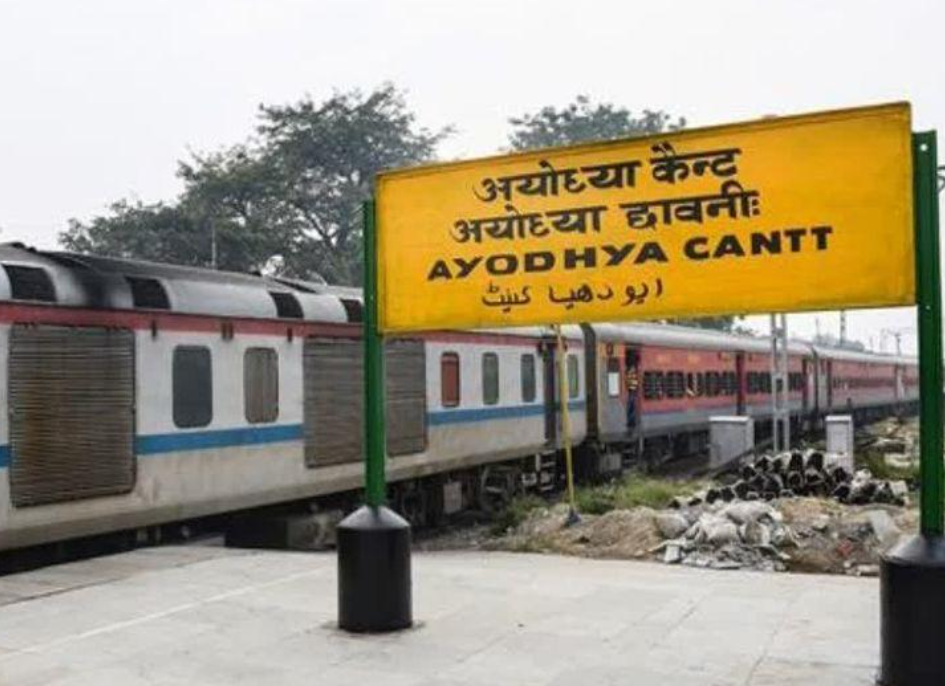
Ayodhya is widely recognised as the birthplace of Lord Rama, while Janakpur Dham is traditionally regarded as the birthplace of Goddess Sita. Connecting these two destinations through a direct railway service is therefore significant not only from a transportation perspective but also from a religious and cultural standpoint.
According to reports dated November 23, 2026, Prime Minister Narendra Modi and Nepalese Prime Minister Balendra Shah are scheduled to virtually flag off the train. Regular operations are expected to begin on November 28, 2026.
The initiative is expected to improve cross-border connectivity, encourage religious tourism and create new economic opportunities for communities located along the railway route.
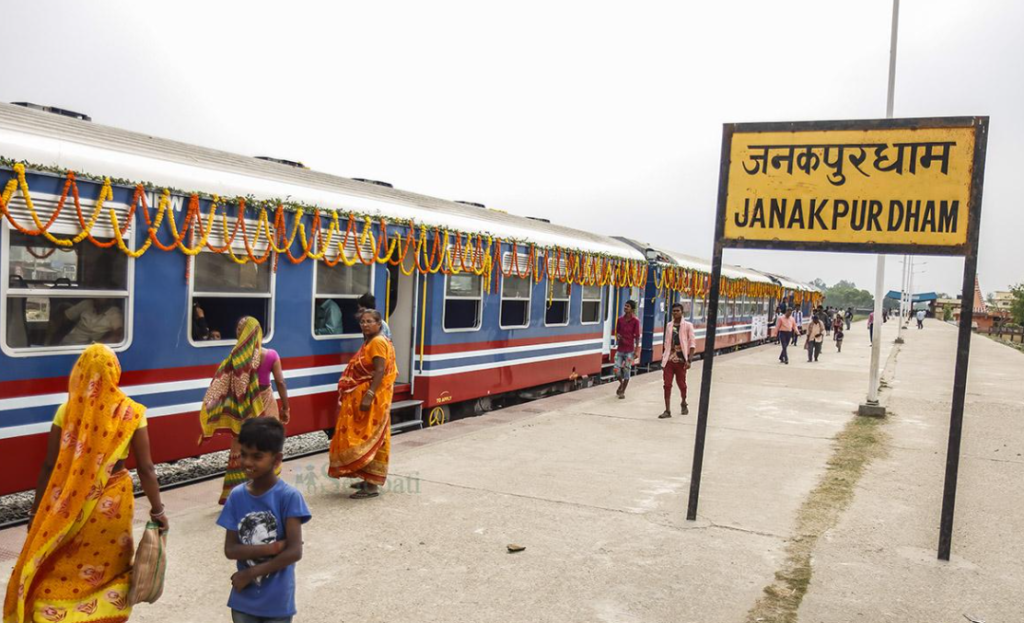
Complete details of the Saryu-Kamala Express
The Saryu-Kamala Express will connect Ayodhya Cantt railway station with Janakpur Dham in Nepal. The route will cover approximately 604 kilometres, with an estimated journey duration of around 19 hours.
One of the most important advantages of this service is that passengers will be able to travel between the two destinations without changing trains during the journey. Necessary immigration and customs procedures will apply at the international border.
The train is expected to operate once a week in each direction.
Train schedule
| Particulars | Details |
|---|---|
| Train name | Saryu-Kamala Express |
| Starting station | Ayodhya Cantt |
| Destination | Janakpur Dham |
| Total distance | Approximately 604 km |
| Journey duration | Approximately 19 hours |
| Total coaches | 17 |
| Frequency | Weekly, each direction |
| Regular operations | Expected from 28 November 2026 |
Ayodhya to Janakpur schedule
The train is scheduled to depart from Ayodhya Cantt at 5:50 PM every Monday and reach Janakpur Dham at 12:40 PM on Tuesday, according to Nepal local time.
Janakpur to Ayodhya schedule
For the return journey, the train is scheduled to depart from Janakpur Dham at 1:10 PM every Saturday and arrive at Ayodhya Cantt at 8:10 AM on Sunday.
Passengers should carefully check the local time zones because Nepal is 15 minutes ahead of Indian Standard Time.
Railway route and important stations
The train will connect several important railway stations across Uttar Pradesh, Bihar and Nepal.
The route is expected to include Ayodhya Dham, Mankapur, Basti, Gorakhpur, Narkatiaganj, Raxaul, Sitamarhi, Shisho, Madhubani and Jayanagar, among other stations.
These connections are important because they will allow passengers from several districts of eastern Uttar Pradesh and northern Bihar to access the international railway service.
The railway connection could also make travel more convenient for people visiting religious destinations and relatives across the India-Nepal border.
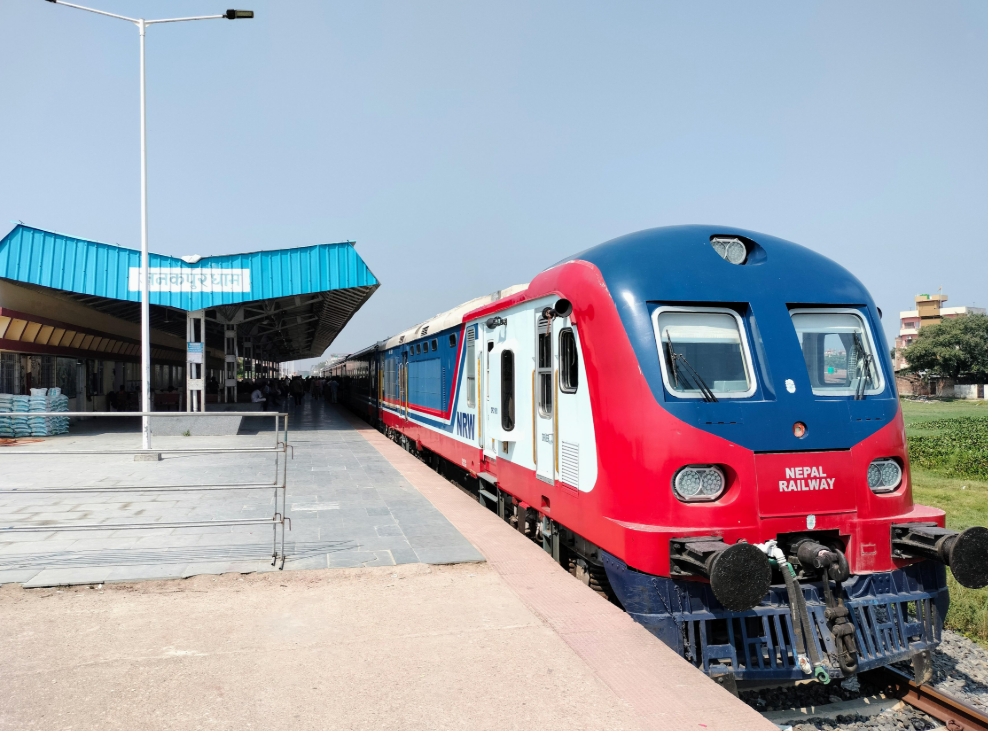
What facilities will passengers get?
The Saryu-Kamala Express is expected to operate with a 17-coach LHB rake.
Its composition is expected to include:
- Eight air-conditioned coaches.
- Seven sleeper-class coaches.
- Two luggage and generator-related coaches.
Passengers will have access to different accommodation categories, including AC Second Class, AC Third Class, AC Three-Tier Economy and Sleeper Class.
The availability of multiple categories will help passengers choose according to their travel requirements and budgets.
What documents will Indian passengers need?
Since the train will cross an international border, passengers must comply with the applicable immigration and identification requirements.
Indian citizens should carry valid identification documents accepted under the relevant India-Nepal travel rules. Passengers should verify the currently accepted documents with railway authorities and border officials before booking.
It is particularly important for families travelling with children to check documentation requirements in advance.
Major boost for religious tourism
The most important aspect of the Saryu-Kamala Express is its connection with the Ramayana circuit.
Ayodhya and Janakpur share an important religious and cultural connection through the story of Lord Rama and Goddess Sita.
Thousands of devotees visit Ayodhya every year to seek blessings at the Ram Mandir and other religious places. Similarly, Janakpur attracts pilgrims visiting Janaki Mandir and other sacred sites associated with the Ramayana.
A direct railway connection could make it easier for devotees to plan combined religious journeys covering both destinations.
It may also encourage tour operators to introduce organised Ramayana pilgrimage packages connecting important destinations in India and Nepal.
Economic benefits for Uttar Pradesh, Bihar and Nepal
Improved railway connectivity can create economic opportunities beyond religious tourism.
Hotels, restaurants, local transport operators, tour guides, shops and small businesses could benefit from an increase in passenger movement.
Cities and towns located along the route may also receive additional economic activity through railway-related services and tourism.
For Nepal, improved connectivity with important Indian religious destinations could strengthen tourism and cross-border commercial relationships.
For India, the initiative supports the development of international tourism corridors and strengthens regional connectivity.
Strengthening India-Nepal relations
India and Nepal share centuries-old cultural, religious and social connections. Their relationship is supported by geographical proximity, cross-border family ties, trade and shared religious traditions.
Railway connectivity is an important part of strengthening this relationship.
The Saryu-Kamala Express represents an effort to make cross-border travel more convenient while connecting two destinations that hold immense importance for millions of devotees.
Conclusion
The proposed Saryu-Kamala Express is an important railway connectivity initiative connecting Ayodhya with Janakpur Dham. With an estimated distance of 604 kilometres and a journey duration of approximately 19 hours, the service could make religious travel between India and Nepal significantly easier.
The project is expected to strengthen the Ramayana circuit, encourage tourism and generate economic opportunities for regions along the route. Its actual long-term impact will depend on passenger demand, operational reliability and the effectiveness of cross-border arrangements.