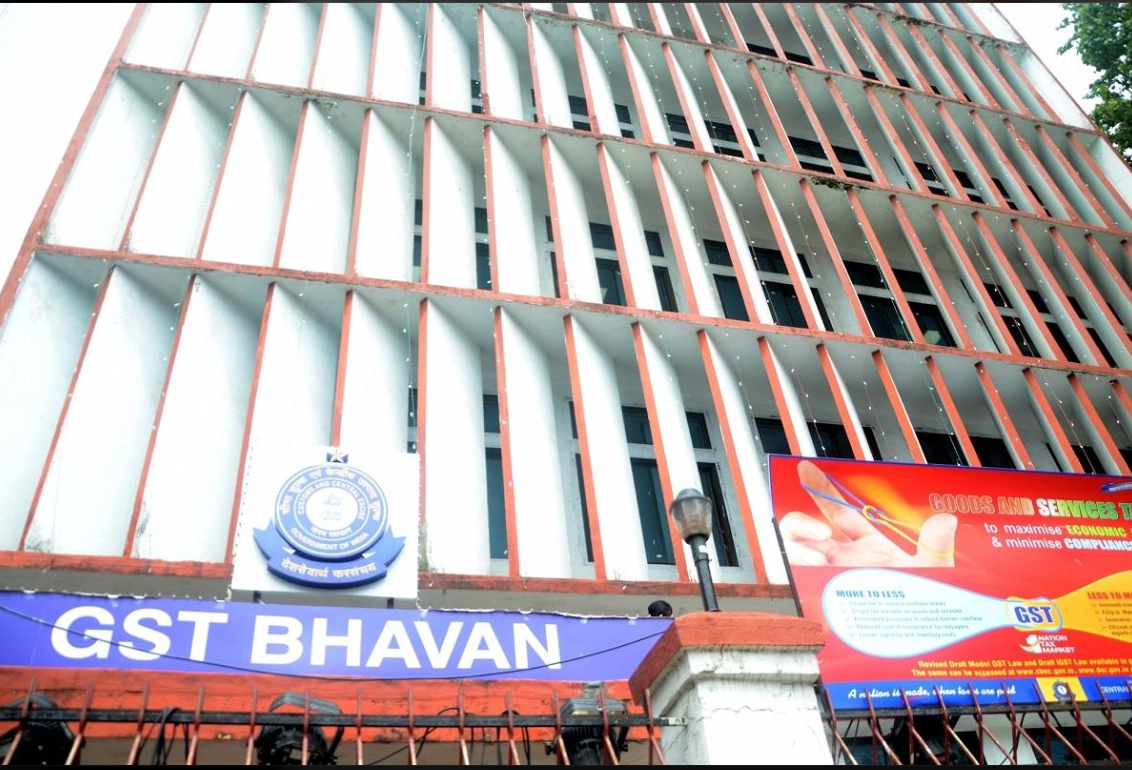
India’s Net GST Collection Rises 25.6% to ₹2.03 Trillion in October 2026
|
Getting your Trinity Audio player ready...
|
New Delhi: India’s Goods and Services Tax collections recorded a strong increase in October 2026, with net revenue rising 25.6 per cent year-on-year to approximately ₹2.03 trillion after accounting for refunds. Gross GST collections increased 22.9 per cent to around ₹2.31 trillion, marking the fastest annual growth recorded during the 2026-27 financial year so far, according to provisional figures reported from the Finance Ministry’s data
The latest figures are significant for the government’s revenue position and for understanding the direction of economic activity. GST collections are widely tracked because they reflect taxable transactions across goods and services. A rise in collections can be associated with stronger consumption, higher business activity, improved compliance, changes in imports or other factors affecting the tax base.
However, a single month’s tax collection should not be treated as a complete measure of economic performance. A careful assessment requires a comparison with other indicators, including industrial output, retail demand, imports, exports, inflation and corporate activity.
Understanding gross and net GST collections
The distinction between gross and net GST collections is important when interpreting the latest numbers. Gross collections represent the total GST revenue received during a particular period before refunds are deducted. Net collections reflect the amount remaining after eligible refunds have been accounted for.
In October 2026, gross GST collections stood at approximately ₹2.31 trillion. After refunds, net collections were reported at around ₹2.03 trillion. The increase in net collections indicates that the government retained substantially higher revenue than in the corresponding period of the previous year.
Both figures provide useful but different information. Gross collections help assess the overall volume of tax receipts generated through taxable transactions. Net collections provide a clearer picture of revenue retained after refunds. Businesses also monitor refunds closely because delays can affect working capital, particularly in sectors where input taxes are higher than output tax liabilities.
Imports contributed to the increase
The rise in October GST collections was partly supported by revenue from imports. Taxes collected on imported goods can contribute significantly to the overall GST figure. When import values or taxable import activity increase, the tax revenue generated at the border may also rise.
According to Business Standard’s report on the provisional figures, the increase in import-related tax revenue played an important role in the October performance.
This detail matters because GST growth can come from several sources. Higher domestic consumption may increase tax receipts from local sales. Higher imports may raise collections through taxes on imported goods. Better compliance can also improve revenue without necessarily requiring changes in tax rates.
It would therefore be inaccurate to attribute the entire increase to a single factor. The composition of collections, including domestic transactions and imports, needs to be considered when assessing the quality and sustainability of the growth.
A sharp improvement over the previous year
October 2026 recorded a significant improvement compared with the corresponding month of the previous year. The reported growth in net GST revenue was 25.6 per cent in October 2026, compared with just 0.6 per cent growth in October 2025. This sharp difference makes the latest figures particularly notable.
The October growth rate was the fastest recorded in the 2026-27 financial year up to that point. In absolute terms, however, October’s gross and net collections ranked second for the financial year. April 2026 recorded gross GST collections of approximately ₹2.42 trillion and net collections of around ₹2.10 trillion.
The distinction between growth rate and total amount is important. A month can record the highest annual growth rate without necessarily generating the largest absolute revenue. April remained ahead in terms of the total collections reported for the financial year.
Why GST is important to India’s economy
GST is a major component of India’s indirect tax system. It was introduced to bring several central and state-level indirect taxes into a more unified framework. The system applies taxes to the supply of goods and services and provides an input tax credit mechanism intended to reduce the cascading effect of taxes across the supply chain.
For businesses, GST is closely connected with invoicing, accounting, compliance, procurement and sales. Companies need to maintain accurate transaction records, file returns and ensure that input tax credit claims are supported by the relevant documentation.
A rise in GST collections can indicate an increase in taxable economic transactions. It may reflect stronger sales, a higher value of imports, improved reporting or more effective compliance. But the interpretation depends on the wider economic environment.
For example, a rise in nominal tax collections does not necessarily mean that the volume of goods sold has increased by the same percentage. Changes in prices and the composition of taxable transactions can also influence the amount collected. This is why GST figures should be read alongside other economic indicators.
Implications for businesses and taxpayers
Higher GST collections do not automatically mean that GST rates have increased. Revenue growth and tax-rate changes are separate issues. Collections can rise because more taxable transactions are taking place, because compliance has improved or because the value of taxable imports has increased.
Businesses should continue to focus on accurate invoicing, timely return filing and proper documentation of input tax credit claims. Errors in returns or mismatches in transaction records can lead to disputes, delayed refunds and additional compliance costs.
Refunds are particularly important for exporters and businesses operating under an inverted duty structure, where the tax paid on inputs may be higher than the tax collected on final output. Efficient refund processing can help businesses maintain liquidity and invest in operations.
The government’s tax administration also faces the challenge of balancing effective enforcement with predictable compliance procedures. A system that collects revenue efficiently while reducing unnecessary administrative uncertainty can improve the business environment.
Impact on government finances
GST revenue is an important source of public funds for both the Union government and state governments. These resources help finance public services and infrastructure, including roads, transport, education, healthcare and development programmes.
Stronger GST collections can provide support to government revenue planning. They may also help policymakers assess the strength of taxable economic activity. However, the overall fiscal position cannot be judged by GST alone.
Direct tax collections, customs revenue, non-tax receipts, government expenditure, borrowing requirements and interest payments also matter. A complete assessment of public finances requires looking at all these components together.
What to watch in the coming months
The next few monthly GST releases will help determine whether October’s strong growth represents a sustained improvement or was influenced by temporary factors. Analysts and policymakers will watch domestic demand, import trends, industrial production, e-way bill activity and inflation.
If GST growth remains strong alongside improvements in domestic consumption and industrial output, it could provide stronger evidence of broad-based economic momentum. If collections slow in subsequent months, it will be important to examine whether the October increase was concentrated in specific categories or driven largely by import-related revenue.
Conclusion: India’s net GST collection rising 25.6 per cent to ₹2.03 trillion in October 2026 represents a strong monthly revenue performance. The increase is encouraging for government receipts, but its underlying strength will depend on the balance between domestic economic activity, imports, compliance and refunds. The next few monthly releases will be important in determining whether the momentum can be sustained.