US Envoys Meet Vladimir Putin in Moscow to Revive Ukraine Peace Talks
|
Getting your Trinity Audio player ready...
|
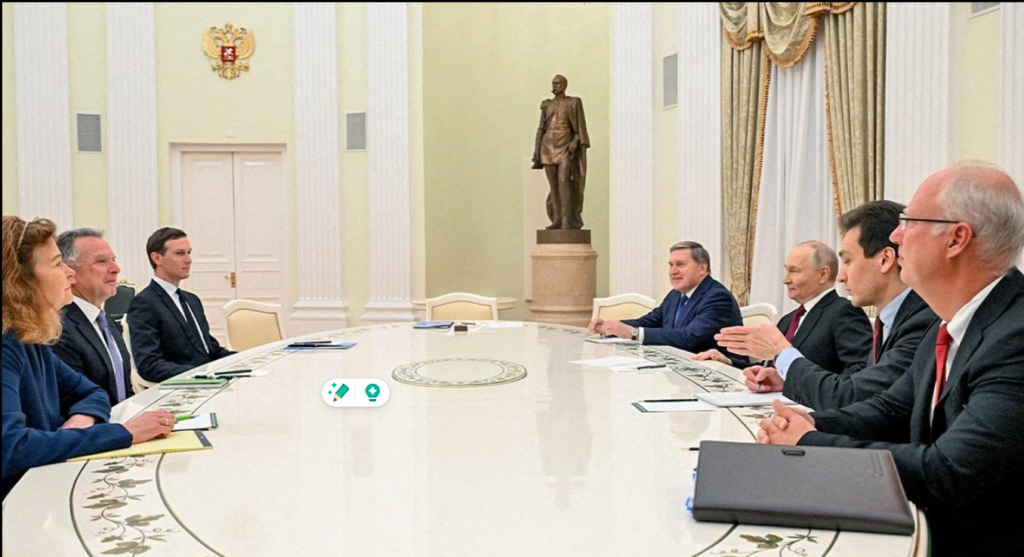
Moscow/Dublin, November 13, 2026: Diplomatic efforts to find a possible end to the Russia–Ukraine war have gained renewed attention after United States envoys Steve Witkoff and Jared Kushner held discussions with Russian President Vladimir Putin in Moscow before travelling to Dublin to meet Ukrainian President Volodymyr Zelenskyy.
The diplomatic engagement comes at a critical time as fighting continues, winter approaches and international efforts to negotiate a settlement remain complicated by disagreements over territory, security arrangements and the future of Ukraine.
US Envoys Hold Talks with Vladimir Putin
The US delegation travelled to Moscow to discuss possible pathways towards ending the conflict.
Steve Witkoff and Jared Kushner met Russian President Vladimir Putin as part of Washington’s efforts to restart diplomatic negotiations.
The discussions followed earlier meetings in Abu Dhabi, where Russian and Ukrainian representatives agreed on a prisoner exchange but failed to achieve a major breakthrough on the central political issues.
The latest diplomatic engagement reflects continued attempts by the United States to bring the two sides closer to negotiations.
However, significant differences remain between Moscow and Kyiv.
Zelenskyy Meets US Representatives in Dublin
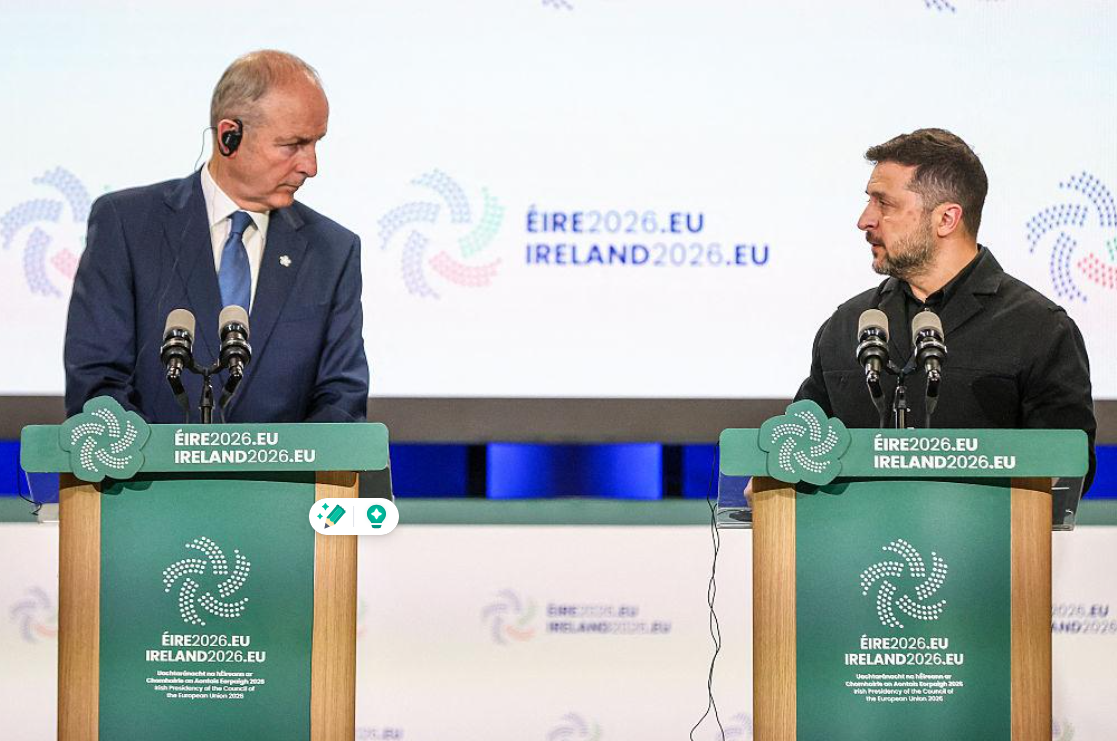
After their Moscow visit, the American envoys travelled to Dublin, where they met Ukrainian President Volodymyr Zelenskyy.
The discussions focused on the next phase of negotiations and the possible involvement of European countries.
According to reports, US representatives indicated that European governments would be included in upcoming peace discussions.
European leaders have repeatedly argued that decisions affecting European security and Ukraine’s future cannot be taken without European participation.
Russia and Ukraine Remain Divided Over Key Issues
Territorial control remains one of the biggest obstacles to a potential peace agreement.
Russia continues to maintain claims over four Ukrainian regions it says it has annexed. Ukraine rejects these claims and insists on protecting its territorial integrity.
Security guarantees are another major issue.
Russia has opposed the deployment of European troops in Ukraine following a potential ceasefire. Moscow has also expressed objections to NATO-related security arrangements.
Ukraine, meanwhile, wants long-term security guarantees to reduce the possibility of another Russian military offensive.
These disagreements have prevented previous diplomatic efforts from producing a comprehensive settlement.
Prisoner Exchange Offers Limited Progress
One of the limited positive developments from the recent Abu Dhabi discussions was an agreement involving the exchange of prisoners.
Although the negotiations did not resolve major territorial and political disagreements, the agreement demonstrated that communication channels between the parties remain active.
Humanitarian arrangements and prisoner exchanges could provide opportunities for further dialogue.
Military Operations Continue Despite Diplomacy
Diplomatic activity has continued alongside military operations.
Both Russia and Ukraine have reported attacks involving drones and missiles, including strikes affecting infrastructure.
Energy infrastructure remains a major concern as Ukraine approaches another winter.
Damage to electricity and heating systems could create additional difficulties for civilians, especially in areas already affected by repeated attacks.
Europe’s Role in the Next Phase
European leaders meeting in Dublin have stressed that Europe must have a meaningful role in negotiations concerning Ukraine’s future.
Several European governments have argued that any agreement must respect Ukraine’s sovereignty and internationally recognised territorial integrity.
However, Russia has resisted European involvement in the negotiation process, creating another diplomatic challenge.
Can the New Talks Produce a Peace Agreement?
The latest meetings represent another attempt to restart diplomatic engagement, but they do not indicate that a final agreement is close.
The central disagreements involving territory, military security, NATO and the future international status of Ukraine remain unresolved.
The next round of negotiations will be important in determining whether the current diplomatic process can achieve meaningful progress.
Conclusion: The Moscow and Dublin meetings demonstrate that diplomatic efforts to end the Russia–Ukraine war remain active. However, continuing military operations and disagreements over territory and security arrangements mean that a lasting peace agreement remains uncertain.
Source: Associated Press, Reuters and Le Monde reporting, November 13, 2026.