WhatsApp Privacy Debate: What Happens to User Data
|
Getting your Trinity Audio player ready...
|
New Delhi: WhatsApp’s privacy policy and the handling of user data remain important issues in India’s rapidly expanding digital economy. Millions of Indians use the messaging platform every day to exchange personal messages, photographs, videos, documents and business-related information.
The debate surrounding WhatsApp’s privacy practices became particularly prominent following its January 2021 privacy policy update, which raised questions about data sharing between WhatsApp and other companies owned by its parent organisation, Meta Platforms.
The issue attracted regulatory attention in India, with the Competition Commission of India (CCI) examining whether WhatsApp’s market position and its data-sharing practices raised competition concerns.
How Did the WhatsApp Privacy Controversy Begin?
WhatsApp is owned by Meta Platforms, the company that also operates Facebook and Instagram.
The 2021 policy update triggered concerns because users were informed about changes to the platform’s data-sharing arrangements. The debate focused on transparency, user consent and the extent to which information could be shared across Meta’s services.
In November 2024, the CCI imposed a ₹213.14 crore penalty on Meta over its findings on WhatsApp’s 2021 privacy policy and competition-related concerns.
The matter subsequently moved through the appellate process. In February 2026, the National Company Law Appellate Tribunal (NCLAT) granted partial relief to Meta and WhatsApp while retaining key restrictions, including a five-year ban on sharing WhatsApp user data with other Meta companies for advertising.
Can WhatsApp Read Private Messages?
An important distinction must be made between message content and other information associated with an account.
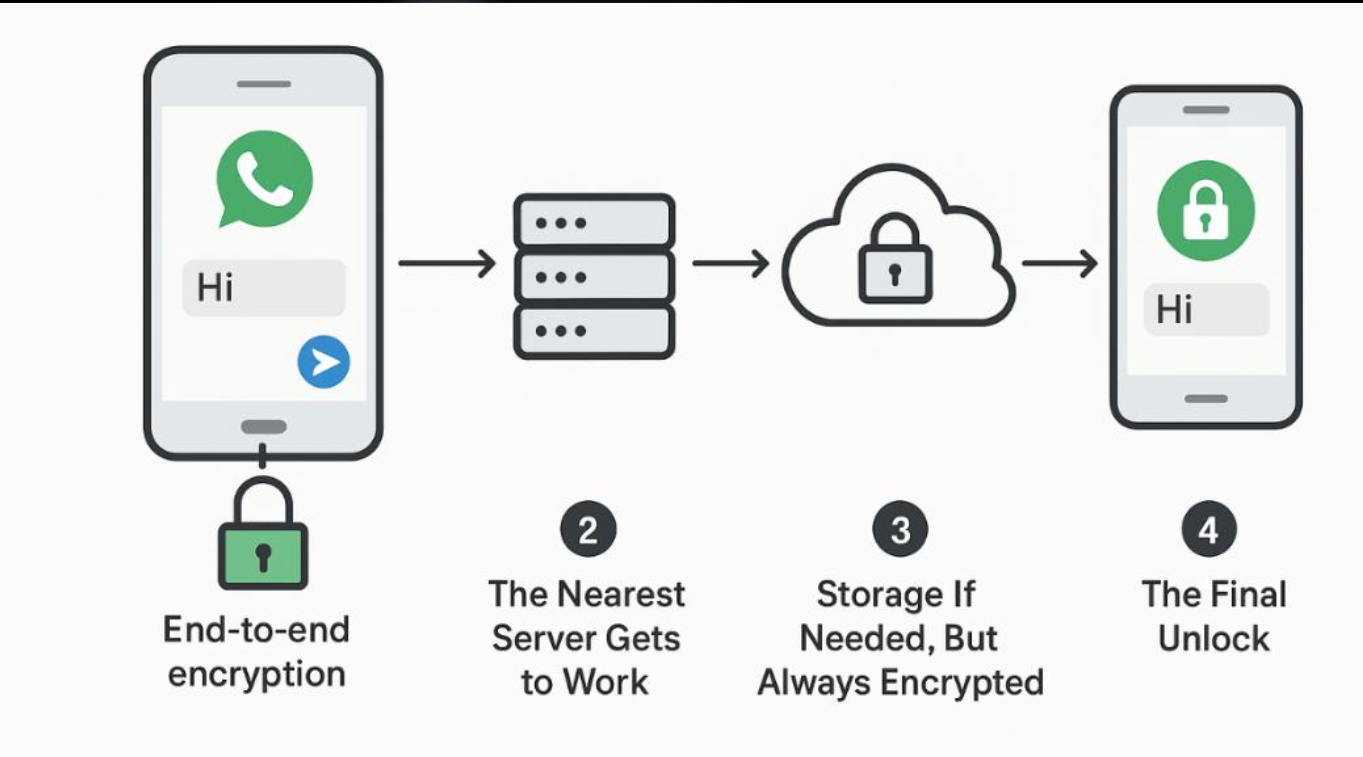
WhatsApp provides end-to-end encryption for personal and group messages. This means that, under normal circumstances, the message content can only be accessed by the communicating users on their respective devices.
However, end-to-end encryption does not mean that the platform collects no information whatsoever.
WhatsApp may process account information, device-related information, service usage data and certain metadata in accordance with its privacy policy.
Interactions with businesses and third-party services may also involve different data-handling arrangements.
Why Does This Matter to Indian Users?
WhatsApp has become an important part of India’s digital ecosystem. Individuals use it for personal communication, students share educational material, businesses communicate with customers, and small enterprises rely on it for daily operations.
Consequently, the handling of user data has implications for digital rights, transparency, and consumer protection.
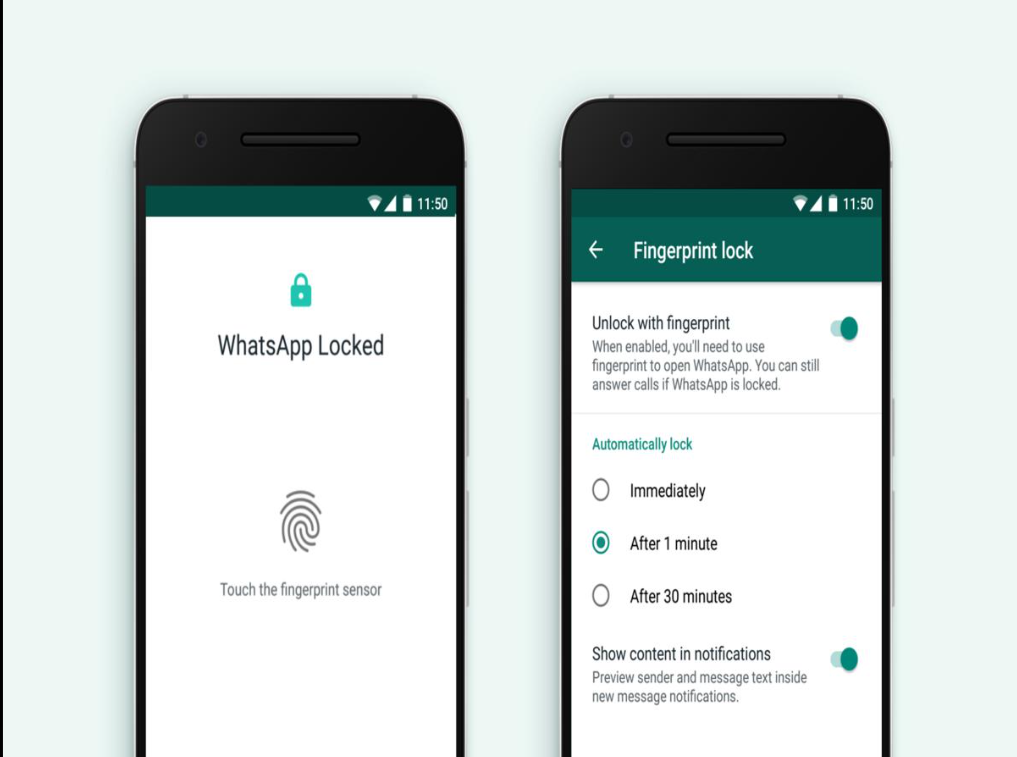
Users should understand what information is protected by end-to-end encryption, what information may be processed by the platform, and how privacy settings and account controls work.
The Road Ahead
The continuing debate highlights the importance of clear privacy policies, informed consent, and stronger accountability for digital platforms.
As India’s digital economy expands, balancing technological innovation with user privacy will remain a major regulatory and consumer-protection challenge.