
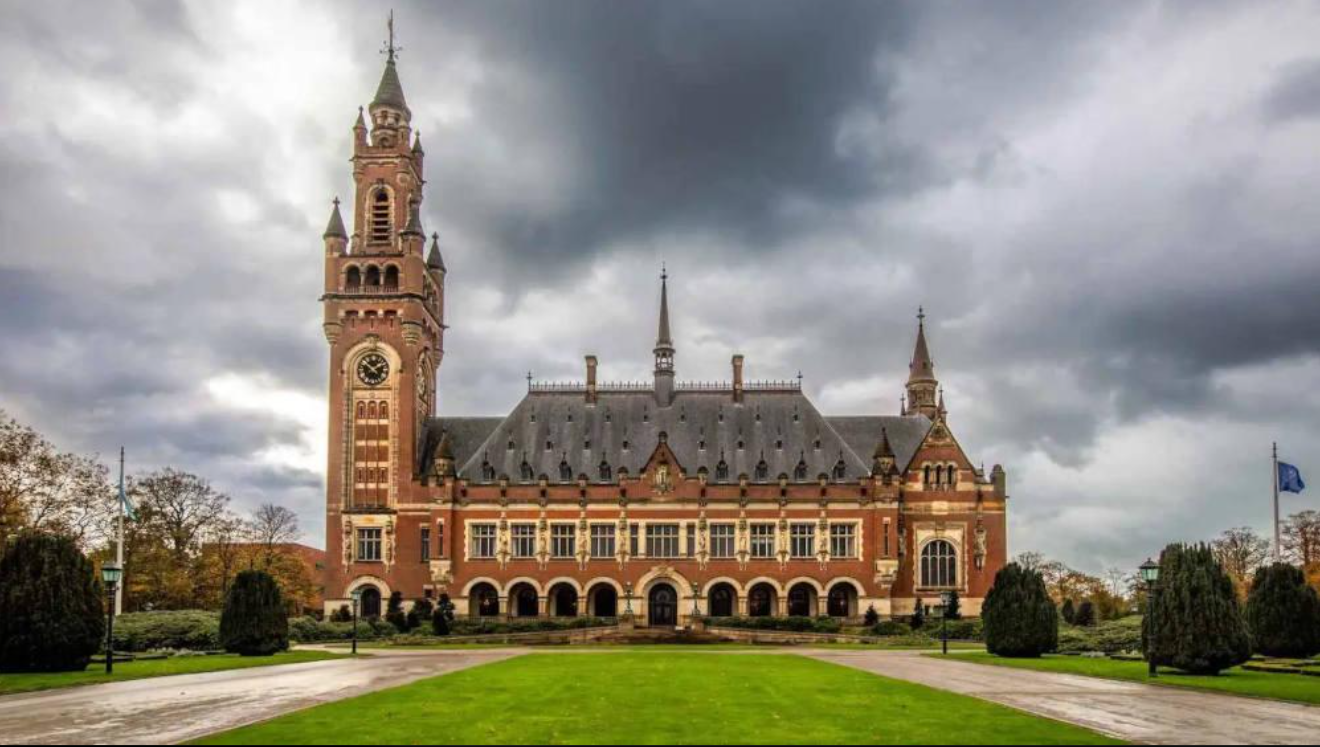
Rohingya Genocide Case: ICJ to issue judgment on November 19
|
Getting your Trinity Audio player ready...
|
The Hague, November 6, 2026: The International Court of Justice (ICJ) is preparing to deliver a landmark judgment on November 19, 2026, in a historic genocide case brought by The Gambia against Myanmar over its alleged treatment of the Rohingya Muslim minority.
The judgment is expected to become a major moment in international law and the global fight against genocide. It will address allegations that Myanmar violated the 1948 Convention on the Prevention and Punishment of the Crime of Genocide during its military operations against the Rohingya population.
According to the ICJ’s official announcement dated November 3, the judgment will be delivered during a public hearing at 10:00 a.m. local time at the Peace Palace in The Hague, Netherlands.
The case, formally known as The Gambia v. Myanmar, has attracted international attention because it could establish an important legal precedent concerning state responsibility for alleged genocide.
What Is the Rohingya Genocide Case?
The Rohingya are a predominantly Muslim ethnic minority originating from Myanmar’s Rakhine State. For decades, the community has faced discrimination, restrictions on movement, limited access to basic services and serious challenges regarding citizenship.
The crisis escalated dramatically in August 2017 when Myanmar’s military launched security operations in Rakhine State following attacks on security posts by an armed group.
The military operations were accompanied by widespread allegations of mass killings, sexual violence, village destruction and forced displacement.
According to the United Nations High Commissioner for Refugees (UNHCR), more than 750,000 Rohingya fled to neighbouring Bangladesh following the 2017 military crackdown.
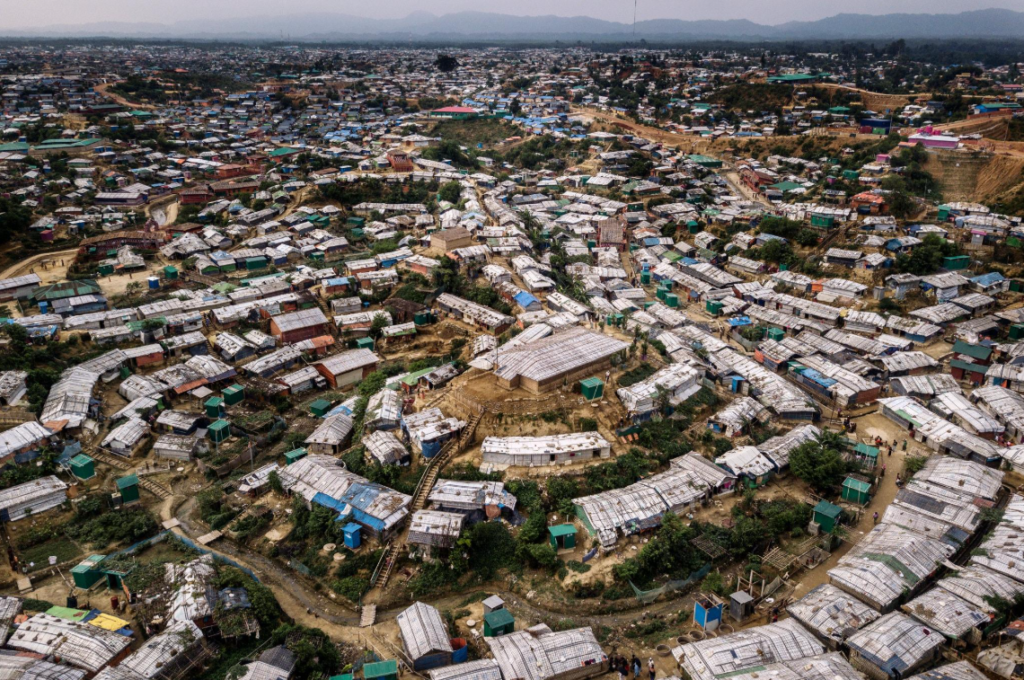
Today, more than one million Rohingya refugees live in Bangladesh, with most residing in overcrowded settlements in the Cox’s Bazar district.
The allegations of atrocities and the resulting humanitarian crisis eventually became the subject of an international legal proceeding.
In November 2019, The Gambia filed a case against Myanmar at the International Court of Justice, alleging violations of the Genocide Convention.
The application was supported by the Organisation of Islamic Cooperation (OIC), a group of countries that raised concerns about the treatment of the Rohingya community.
The Gambia argued that Myanmar had failed to fulfil its international obligations to prevent and punish genocide.
The case is particularly significant because The Gambia is not directly affected by the events in Myanmar. It brought the proceedings under the Genocide Convention, which allows countries to pursue disputes concerning the interpretation, application and fulfilment of the treaty.
Myanmar has rejected the genocide allegations and disputed aspects of the claims made against its military.
The Court must now assess the evidence and determine whether Myanmar bears international responsibility for violations of the Convention.
November 19: What Will the ICJ Decide?
The November 19 judgment will address the central legal questions raised in the case.
The Court will examine whether the acts attributed to Myanmar violated the Genocide Convention and whether the legal requirements for establishing genocide have been satisfied.
Under Article II of the Genocide Convention, genocide involves certain prohibited acts committed with the specific intent to destroy, in whole or in part, a national, ethnical, racial or religious group.
These prohibited acts include:
- Killing members of a protected group.
- Causing serious bodily or mental harm.
- Deliberately creating conditions intended to bring about the group’s physical destruction.
- Imposing measures intended to prevent births within the group.
- Forcibly transferring children of the group to another group.
One of the most important legal questions is whether the evidence establishes the specific intent to destroy the Rohingya group, in whole or in part.
The Court’s findings could have significant implications for the interpretation and enforcement of international genocide law.
How Did the Case Reach This Stage?
The legal proceedings have continued for several years.
In January 2020, the ICJ issued provisional measures requiring Myanmar to take steps to prevent acts prohibited under the Genocide Convention, preserve evidence and submit periodic reports on its compliance.
These were temporary protective measures and did not constitute a final finding that genocide had occurred.
In July 2022, the Court rejected Myanmar’s preliminary objections and confirmed that it had jurisdiction to hear the case and that The Gambia’s application was admissible.
The proceedings subsequently moved towards examination of the merits.
In January 2026, public hearings were held from January 12 to January 29, allowing the parties to present their legal arguments and evidence.
The participation of 11 intervening states further demonstrated the international significance of the proceedings.
On November 3, 2026, the Court officially announced that its final judgment would be delivered on November 19.
Why Are 11 Other Countries Involved?
The case has attracted participation from several countries through interventions under Article 63 of the ICJ Statute.
These interventions concern the interpretation of the Genocide Convention and demonstrate the wider international interest in the legal questions raised by the proceedings.
The involvement of additional countries is important because the interpretation of the Genocide Convention has implications beyond the dispute between The Gambia and Myanmar.
The case could influence how states understand their responsibilities to prevent genocide and fulfil their obligations under international law.
What Could Happen to Myanmar After the Judgment?
The ICJ’s decision could have major legal and diplomatic consequences for Myanmar.
If the Court finds that Myanmar violated the Genocide Convention, it could establish the country’s international responsibility for the violations identified in the judgment.
Depending on its findings, the Court could address obligations relating to the cessation of wrongful conduct, guarantees of non-repetition where appropriate and reparation.
However, the practical implementation of an international judgment can be complicated.
The ICJ is the principal judicial organ of the United Nations and deals with legal disputes between states. It does not conduct criminal trials against individual military officials.
Therefore, the November 19 judgment should not be confused with a criminal conviction of Myanmar’s military leaders.
Separate criminal accountability proceedings would be necessary to determine the individual criminal responsibility of particular officials.
What Does the Judgment Mean for Rohingya Refugees in Bangladesh?
For Rohingya refugees living in Bangladesh, the judgment represents an important development in their long search for international recognition and justice.
More than one million Rohingya refugees continue to face difficult living conditions in refugee settlements, including limited employment opportunities, educational challenges, healthcare needs and uncertainty about their future.
A legal finding of state responsibility could strengthen international pressure for accountability and improve discussions surrounding the safe, voluntary and dignified return of refugees.
However, an ICJ judgment alone cannot guarantee immediate repatriation or restore citizenship rights.
Any sustainable return would require security guarantees, protection of fundamental rights and meaningful political arrangements in Myanmar.
Why the November 19 Decision Matters to the International Community
The case is important beyond Myanmar and Bangladesh because it tests the effectiveness of the international legal framework established after the Second World War.
The 1948 Genocide Convention was created to prevent and punish one of humanity’s most serious crimes.
The Rohingya proceedings could clarify how countries are held accountable when allegations of genocide arise and what responsibilities other states have under international law.
The outcome may also influence future cases involving ethnic minorities, mass atrocities and the protection of vulnerable populations.
For international institutions, the judgment will be an important test of the ability of international law to address serious human rights violations.
Conclusion: The World Awaits a Historic ICJ Judgment
The November 19, 2026, judgment in The Gambia v. Myanmar could become one of the most significant international legal developments concerning genocide and state responsibility in recent years.
After years of legal proceedings, international scrutiny and humanitarian concerns, the Court will finally deliver its judgment on the allegations involving the Rohingya community.
For millions of Rohingya people affected by displacement and persecution, the decision carries enormous significance.
However, the real impact will depend not only on the legal findings but also on whether the international community and relevant authorities take meaningful steps to implement the consequences.
On November 19, the world will be watching The Hague as the International Court of Justice delivers a judgment that could shape the future of international accountability and the pursuit of justice for the Rohingya people.
Fact-check: Important dates and developments
| Event | Date / Details |
|---|---|
| Major Rohingya displacement | August 2017 |
| The Gambia filed ICJ case | November 11, 2019 |
| ICJ provisional measures | January 23, 2020 |
| ICJ confirmed jurisdiction | July 22, 2022 |
| Merits hearings | January 12–29, 2026 |
| ICJ announced judgment date | November 3, 2026 |
| Final judgment scheduled | November 19, 2026, 10 AM |
Officially confirmed The November 19 judgment date is confirmed by the International Court of Justice. The actual judgment and its findings remain pending as of November 6.


