Russia-Ukraine War: What Is China’s Role?
|
Getting your Trinity Audio player ready...
|
November 3, 2026
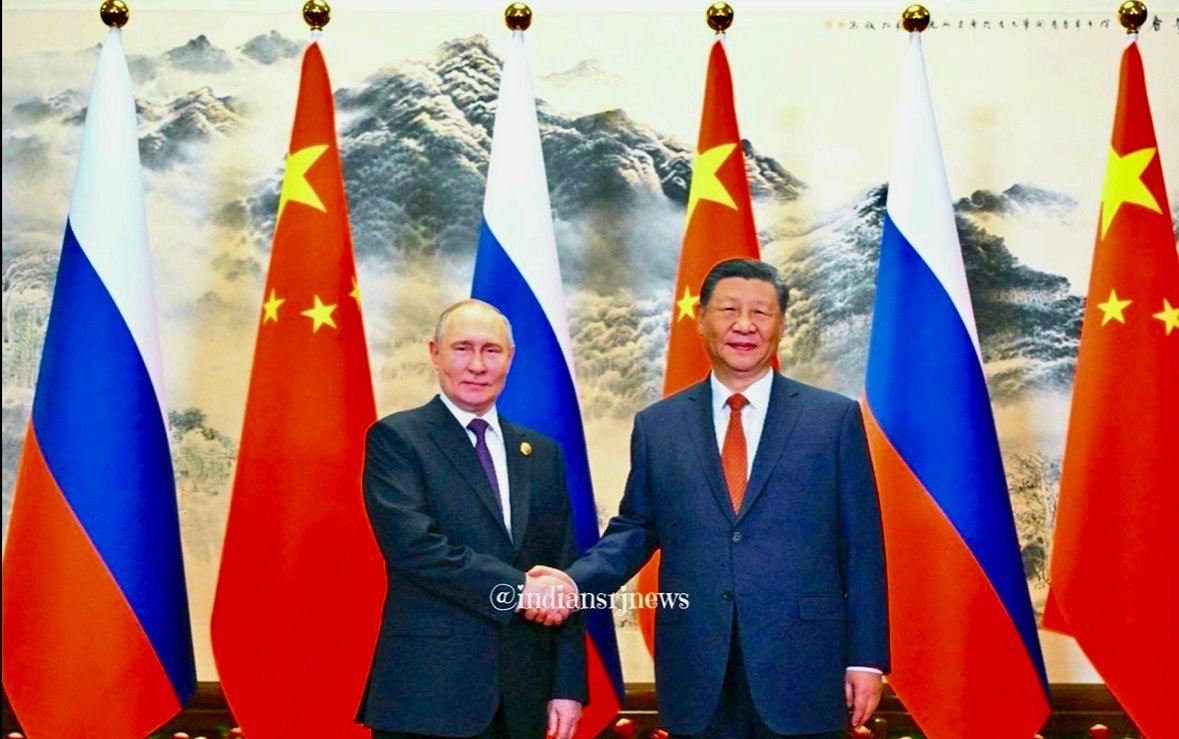
The Russia-Ukraine war has become one of the most significant geopolitical conflicts of the 21st century. Since Russia launched its full-scale invasion of Ukraine on February 24, 2022, the conflict has affected international security, global energy markets, international trade, and relations between major world powers. However, one important question continues to attract international attention: What role is China playing in this war, and why is Beijing maintaining close relations with Moscow despite international pressure? China has emerged as an important economic and diplomatic partner of Russia. Its trade relationship with Moscow, purchases of Russian energy, and the supply of industrial goods and dual-use technology have become central issues in discussions about the war. At the same time, China officially says it supports peace negotiations and has not supplied lethal weapons to either side. Western governments, however, have raised concerns about Chinese companies supplying goods that can support Russia’s military-industrial production.
1. Why Is China Important in the Russia-Ukraine War?
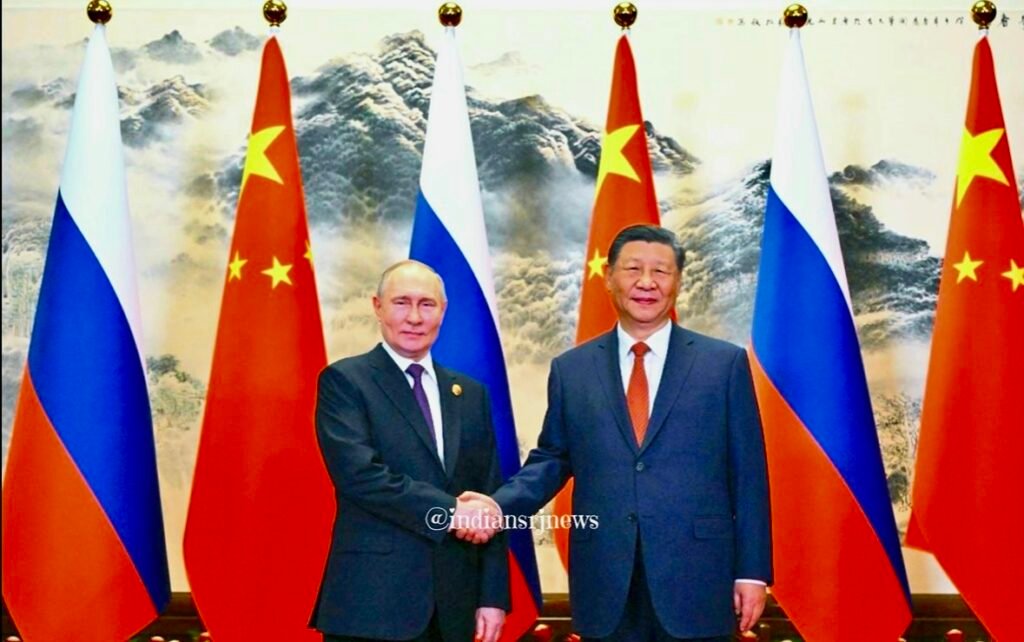
China is important because of its economic strength, manufacturing capacity, and strategic relationship with Russia.
Following the invasion of Ukraine, Western countries imposed extensive economic sanctions on Russia. These restrictions affected Russian banks, energy companies, technology imports,s and international financial transactions.
During this period, China became an increasingly important trading partner for Moscow.
China has helped Russia maintain access to several categories of products, including:
- Industrial machinery and manufacturing equipment.
- Electronic components and semiconductors.
- Machine tools and industrial materials.
- Vehicles and automotive components.
- Dual-use goods that can have both civilian and military applications.
According to the US-China Economic and Security Review Commission, China remains an important economic and technological source of support for Russia.
NATO has also described China as a decisive enabler of Russia’s war effort, a characterisation Beijing rejects.
2. Is China Providing Military Support to Russia?
This is one of the most controversial questions surrounding the conflict.
China officially denies providing lethal weapons to Russia for use in Ukraine.
However, the United States, European governments, ts and NATO have repeatedly expressed concerns about Chinese-origin components and dual-use products reaching Russia’s defence industry.
Dual-use technology refers to products that can be used for civilian purposes but may also contribute to military production.
For example:
- Semiconductor components can support advanced electronic systems.
- Machine tools can be used in weapons manufacturing.
- Electronic equipment can contribute to drone production.
- Industrial materials can support military supply chains.
In May 2026, Reuters reported that European intelligence agencies had identified alleged Chinese drone-focused training involving Russian military personnel in late 2025. These allegations have added another dimension to concerns about military cooperation.
China disputes accusations that it is directly participating in Russia’s military campaign.
It is therefore important to distinguish between documented trade, reported military-relatedcooperationtion, ion and claims that have not been independently established.
3. Why Does China Continue Supporting Its Relationship With Russia?
China and Russia share several important strategic and economic interests.
Economic Cooperation
Russia is an important supplier of oil, natural gas, and other natural resources to China. Their energy partnership has become particularly important following restrictions on Russian energy exports to Western markets.
Strategic Partnership
Both countries maintain close diplomatic relations and regularly coordinate their positions on international issues.
Global Political Influence
China and Russia frequently express opposition to what they describe as unilateral Western pressure and sanctions.
Security Interests
Maintaining a strong relationship with Moscow also gives Beijing an important strategic partner in international affairs.
However, China has not entered into a formal military alliance requiring it to fight alongside Russia in Ukraine.
4. What Is the United Nations Doing About the War?
The United Nations has played an important diplomatic and humanitarian role since the beginning of the Russian invasion.
The UN has repeatedly discussed the conflict through its General Assembly and Security Council.
Its main objectives include:
- Promoting a peaceful settlement.
- Protecting civilians and humanitarian workers.
- Supporting international humanitarian law.
- Addressing the humanitarian crisis.
- Encouraging diplomatic negotiations.
- Supporting the sovereignty and territorial integrity of Ukraine.
However, the UN faces a major institutional challenge.
Russia is one of the five permanent members of the UN Security Council and has veto power.
This means Russia can block substantive Security Council resolutions even when a majority of other members support them.
Consequently, the Security Council has faced significant difficulties in taking binding enforcement action against Russia.
5. What Happened at the United Nations in 2026?
On February 24, 2026, the fourth anniversary of Russia’s full-scale invasion, the UN General Assembly adopted a resolution titled Support for Lasting Peace in Ukraine.
The resolution received:
- 107 votes in favour.
- 12 votes against.
- 51 abstentions.
China and India were among the countries that abstained.
The resolution called for an immediate and unconditional ceasefire and reaffirmed the importance of Ukraine’s sovereignty and internationally recognised borders.
Although General Assembly resolutions are generally not legally binding, they carry diplomatic and political significance.
The vote demonstrated that countries around the world continue to hold different positions on how the conflict should end.
6. Why Has China Not Joined Western Sanctions Against Russia?
The United States and European countries have introduced extensive sanctions against Russia.
China, however, has not joined these broad Western sanctions.
Beijing argues that unilateral sanctions can damage international trade and economic stability.
China continues to maintain commercial relations with Russia, including energy purchases and industrial trade.
Western governments argue that certain Chinese exports and business activities help Russia maintain its industrial and military capabilities.
This disagreement has become one of the major diplomatic issues between China and Western countries.
7. What Is the Position of the United States and European Union?
The United States and European Union have supported Ukraine through military assistance, financial aid, humanitarian assistance, and economic measures against Russia.
Their approach includes:
United States: Providing military and security assistance to Ukraine, while also participating in diplomatic discussions about ending the conflict.
European Union: Maintaining economic sanctions against Russia and supporting Ukraine financially, militarily and politically.
NATO: Coordinating security support among its members and strengthening defence capabilities in Europe.
Western governments have also increased pressure on businesses and individuals accused of helping Russia evade sanctions and obtain restricted technology.
8. What Is India’s Position on the Russia-Ukraine War?
India has maintained a diplomatic position focused on dialogue, diplomacy, and peaceful resolution.
New Delhi has continued its historical relationship with Moscow while also maintaining strategic and economic partnerships with the United States and European countries.
India has purchased Russian oil and has repeatedly called for negotiations to resolve the conflict.
On February 24, 2026, India abstained from the UN General Assembly resolution on lasting peace in Ukraine.
India’s position reflects its emphasis on strategic autonomy and maintaining relations with multiple international partners.
9. Could China Help End the Russia-Ukraine War?
China has repeatedly offered to support diplomatic efforts to end the conflict.
Beijing has maintained communication with Moscow, Kyiv,v and other international stakeholders.
It has also promoted peace initiatives alongside Brazil and other countries through the Group of Friends for Peace.
However, China’s close economic and political relationship with Russia creates questions about how its diplomatic influence can be used in negotiations.
A sustainable peace agreement would require meaningful engagement from Russia, Ukraine, and other relevant international stakeholders.
China’s economic influence and diplomatic relationship with Moscow could make it an important participant in future negotiations, although its ability to bring the conflict to an end remains uncertain.
Conclusion: China, Russia and the United Nations Remain Central to Global Diplomacy
The Russia-Ukraine war is no longer only a conflict between two neighbouring countries. It has become a major international issue involving China, the United States, European nations, NATO and the United Nations. China’s economic relationship with Russia has helped Moscow maintain important trade and industrial connections despite Western sanctions. At the same time, Beijing continues to publicly advocate dialogue and a political settlement. The United Nations continues to provide an international platform for diplomacy and humanitarian action, but Russia’s veto power limits the Security Council’s ability to take certain binding measures. Ultimately, ending the war will require diplomatic engagement, international cooperation,n and an agreement that addresses the security and sovereignty concerns of the parties involved.
Disclaimer: This article is based on publicly available information, official statements,t s and international reporting available as of November 3, 2026. Allegations concerning military assistance and intelligence cooperation are attributed to the relevant reporting and governments. China’s official position is presented separately.