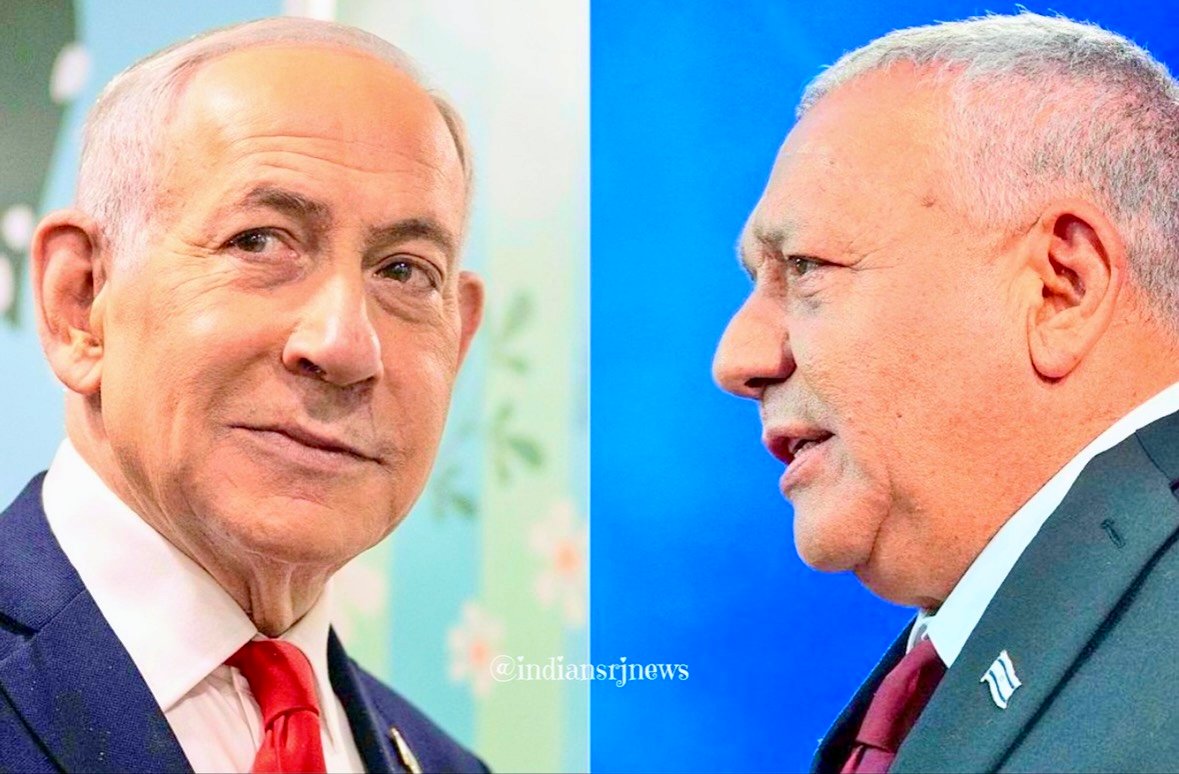
Israel Election 2026: Netanyahu’s Coalition Loses Parliamentary Majority as Opposition and Arab Parties Gain Ground
|
Getting your Trinity Audio player ready...
|
Jerusalem: Israel’s 2026 parliamentary election has produced a hung parliament, leaving the country’s political future uncertain. Prime Minister Benjamin Netanyahu’s ruling coalition has failed to secure the majority required to form the next government, while opposition parties and Arab-led political groups have secured a significant number of seats.
The election, held on October 27, 2026, was the first national election in Israel since the Hamas-led October 7, 2023 attack and the subsequent wars involving Gaza, Lebanon and Iran.
According to the final results reported on October 30, Netanyahu’s political bloc secured 53 seats in the 120-member Knesset, while the main opposition bloc won 48 seats. Arab-led parties secured a historic 19 seats.
No political bloc has reached the 61-seat majority required to form a government.
Israel Election 2026: Final Seat Distribution
The election results have created a complicated political situation, with different parties now expected to negotiate to form a governing coalition.
- Netanyahu’s coalition: 53 seats
- Main opposition bloc: 48 seats
- Arab-led parties: 19 seats
- Total seats in the Knesset: 120
- Majority required to form government: 61 seats
The results mean that both major political camps will need support from other parties to establish a stable government.
Benjamin Netanyahu Faces a Political Challenge
Benjamin Netanyahu, Israel’s longest-serving prime minister, is facing one of the most significant political challenges of his career.
His leadership has come under scrutiny following the October 7, 2023 Hamas attack, the subsequent military campaigns and growing domestic political divisions.
Netanyahu’s Likud party remains a major political force, but his broader coalition has fallen short of the parliamentary majority needed to continue governing independently.
Despite the election results, Netanyahu remains prime minister while negotiations over the formation of the next government continue.
Gadi Eisenkot Emerges as a Key Opposition Figure
Former Israeli military chief Gadi Eisenkot has emerged as Netanyahu’s principal political rival.
His Yashar party and other opposition groups are now exploring possible coalition arrangements.
However, forming a government will be challenging because the opposition parties have different political positions and have not yet secured enough support independently.
The Arab-led parties, which secured 19 seats, could play a decisive role in determining the next government.
Arab Parties Secure Historic 19 Seats
One of the most significant developments in the 2026 election has been the performance of Arab-led political parties.
Together, these parties secured 19 seats in the Knesset, giving them considerable influence in post-election negotiations.
Their support could potentially help the opposition reach the 61-seat majority. However, cooperation with Arab-led parties remains politically sensitive, and both major political camps have faced difficulties over whether to work with them.
What Happens Next?
Israel’s political parties are now preparing for negotiations to establish the next government.
President Isaac Herzog is expected to play an important constitutional role by consulting political leaders and assigning a lawmaker the responsibility of forming a government after the results are formally certified.
The new Knesset is expected to convene on November 10.
If political parties fail to secure the necessary parliamentary support, Israel could face another national election, potentially in early 2027. Until a new government is formed, Netanyahu will remain in a caretaker role.
Why Is This Election Important?
The 2026 election is particularly important because it follows three years of major security, military and political developments in the Middle East.
The results could influence Israel’s future policies towards Gaza, the West Bank, Lebanon and Iran, as well as its relations with the United States and other international partners.
For now, the election has not produced a clear governing majority. The coming weeks of political negotiations will determine whether Netanyahu continues in office or whether opposition parties manage to form a new government.
Disclaimer: This article is based on publicly available election results and international media reporting as of October 30, 2026. Coalition negotiations and government formation remain ongoing