Supreme Court to Hear Important Cases on Delhi Pollution
|
Getting your Trinity Audio player ready...
|
New Delhi Supreme Court Lists Delhi-NCR Pollution and West Bengal SIR Cases for Hearing on November 23; Key Constitutional and Public Interest Issues in Focus
The Supreme Court of India is scheduled to take up several important matters on November 23, 2026, covering environmental concerns, electoral procedures, citizens’ rights and other significant legal issues.
Among the matters attracting national attention are cases on air pollution in Delhi-NCR and the Special Intensive Revision (SIR) of electoral rolls in West Bengal.
The proceedings matter because they involve issues that directly affect public health, democratic participation, administrative accountability, and constitutional rights.
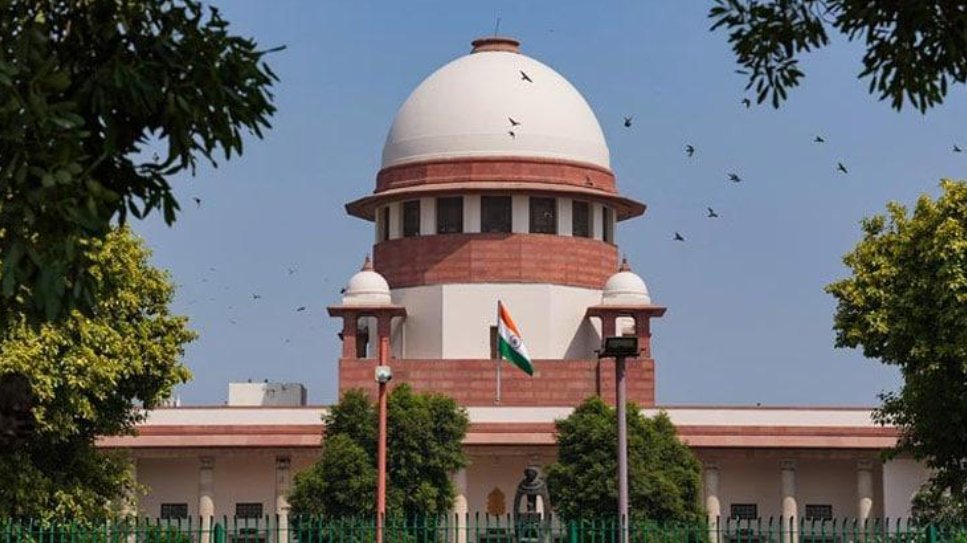
The Supreme Court’s observations and directions in these matters could influence the way concerned authorities handle these sensitive issues.
Delhi-NCR air pollution case
Air pollution remains one of the biggest environmental challenges facing the National Capital Region.
During the winter months, Delhi and surrounding cities frequently experience deteriorating air quality.
Areas such as Noida, Ghaziabad, Gurugram and Faridabad can also experience severe pollution conditions.
The major sources of air pollution include:
- Vehicle emissions.
- Industrial pollution.
- Construction and road dust.
- Open burning of waste.
- Seasonal agricultural residue burning.
- Weather conditions that restrict the dispersal of pollutants.
The problem is particularly serious for children, older people and individuals with existing respiratory vulnerabilities.
Poor air quality can increase respiratory irritation and aggravate several health conditions.
Why the Supreme Court’s intervention matters
The Supreme Court has previously taken up several matters involving environmental protection and pollution control.
Judicial intervention can require authorities to explain their actions, implement existing regulations and take appropriate steps to protect public health.
Delhi’s pollution problem cannot be addressed by a single department or one state government.
It requires coordination between the central government, Delhi administration, neighbouring state governments, pollution control boards and local authorities.
Measures such as improving public transport, controlling construction dust, regulating industrial emissions and monitoring vehicle pollution are important parts of the overall strategy.
The November 23 hearing is therefore significant for its potential implications for administrative accountability and pollution-control measures.
West Bengal SIR case: A major electoral issue
Another important issue listed before the Supreme Court concerns the Special Intensive Revision of electoral rolls in West Bengal.
SIR stands for Special Intensive Revision.
It is a comprehensive exercise undertaken by the Election Commission to verify and update electoral rolls.
The objective is to maintain accurate voter lists by checking the eligibility and details of registered voters.
The process can involve verification of names, addresses and other relevant information.
However, the exercise has generated political and legal debate regarding its implementation and the protection of eligible voters.
Petitions associated with West Bengal’s electoral revision process, including those involving political leaders Mamata Banerjee and Rahul Gandhi, have attracted considerable attention.
Why is the SIR process controversial?
Accurate electoral rolls are essential for free and fair elections.
An electoral list should include every eligible voter while preventing duplicate, incorrect or otherwise ineligible entries.
At the same time, the verification process must protect the rights of genuine voters.
There are concerns that complicated documentation requirements or administrative difficulties could create problems for eligible citizens.
This makes transparency and procedural fairness particularly important.
The Election Commission must ensure that affected voters have appropriate opportunities to establish their eligibility and correct errors.
The legal issues surrounding the SIR process therefore involve both electoral integrity and citizens’ democratic rights.
Other important cases listed before the Supreme Court
Apart from pollution and electoral revision, several other significant matters are also reported to be listed for November 23.
1. Acid attack survivors’ rehabilitation
One of the matters relates to compensation, rehabilitation and support for acid attack survivors.
Acid attacks can cause severe physical injuries, permanent disabilities and psychological trauma.
Survivors often face long-term challenges involving medical treatment, reconstructive surgery, employment and social rehabilitation.
Compensation and institutional support are important for helping affected individuals rebuild their lives.
2. Unauthorised construction and commercial use of residential properties
Another matter concerns unauthorised construction and the commercial use of residential properties.
Urban development has increased pressure on residential areas, where unauthorised commercial activities can affect infrastructure, parking, public safety and neighbourhood planning.
The issue raises questions about municipal regulations, land-use policies and enforcement of building rules.
3. Morbi bridge collapse-related petition
The Morbi bridge collapse in Gujarat on October 30, 2022, remains one of the country’s major public safety tragedies.
The incident resulted in numerous deaths and injuries.
A related petition concerning the families of those who lost their lives has also been listed.
The case highlights the importance of infrastructure safety, proper maintenance, inspection and accountability.
4. 2002 Godhra train fire case
Appeals connected with the 2002 Godhra train fire case are also among the important matters attracting attention.
The matter has significant legal and historical implications and involves questions arising from the criminal proceedings connected with the incident.
5. Red Fort-area car blast case
A bail petition relating to the car bomb explosion near the Red Fort on November 10, 2025, is also reported to be listed.
Such matters require careful judicial consideration of the evidence, applicable criminal law and individual legal rights.
Importance of the Supreme Court in national governance
The Supreme Court is India’s highest judicial authority and plays a central role in interpreting the Constitution and protecting fundamental rights.
Its decisions can have significant implications for government institutions, administrative agencies and citizens.
Environmental cases can influence public policy and regulatory enforcement.
Electoral cases can clarify the legal framework governing democratic participation.
Cases involving public safety and rehabilitation can also strengthen accountability and access to justice.
However, the listing of a matter for hearing does not mean that a final judgment will necessarily be delivered on that date.
What should people watch for?
There are several developments worth monitoring following the scheduled hearings.
In the Delhi pollution matter, attention will focus on the authorities’ compliance with pollution-control measures and any directions issued by the court.
In the West Bengal SIR matter, the central questions involve verification procedures, transparency and safeguards for eligible voters.
In the other cases, the court’s observations may provide further clarity on compensation, public safety and criminal proceedings.
Conclusion
The Supreme Court’s November 23, 2026, hearing schedule covers several important national issues.
Delhi-NCR pollution and West Bengal’s electoral revision process are particularly significant because they involve public health and democratic rights.
Other matters concerning acid attack survivors, the Morbi bridge tragedy and criminal appeals also highlight the importance of judicial oversight.
The proceedings will be closely watched for their legal and administrative implications.