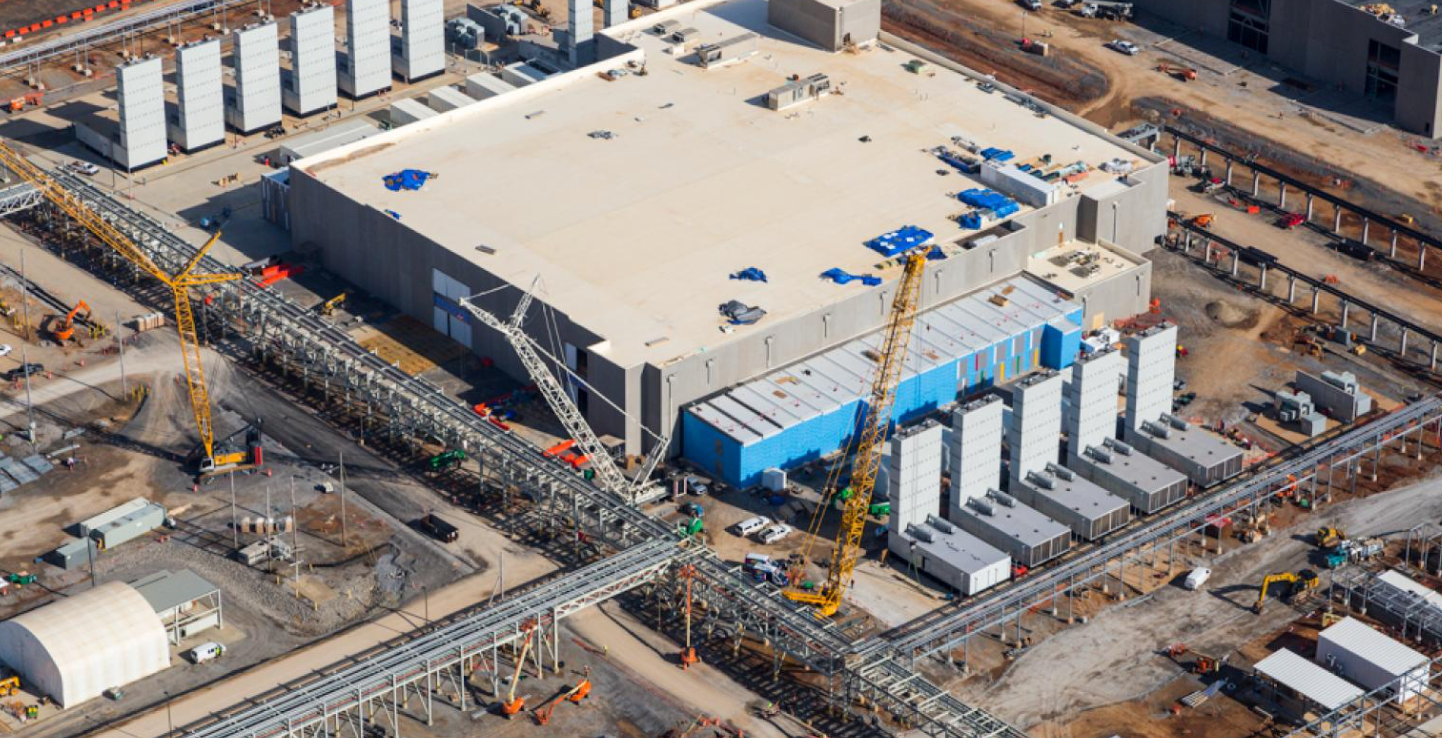
Capacity May Reach 7.5 GW by 2030 as Investments Exceed ₹3 Lakh Crore
|
Getting your Trinity Audio player ready...
|
New Delhi: India’s digital economy is entering a major infrastructure expansion phase, with data centres emerging as one of the most important pillars of the country’s technology ecosystem. Growing demand for artificial intelligence, cloud computing, digital payments, online banking, e-commerce and government digital services is increasing the need for large-scale computing and data storage facilities.
According to a CRISIL Ratings report dated November 3, 2026, India’s installed data centre capacity is expected to increase five-fold to approximately 7.5 gigawatts by March 2030. The expansion could attract investments exceeding ₹3 lakh crore over the next four financial years.
Separately, government data indicates that India’s installed data centre power capacity stood at approximately 1.57 GW as of August 2026, with projections suggesting it could reach nearly 8 GW by 2030.
Although the estimates differ slightly, both projections highlight the rapid expansion expected in India’s digital infrastructure sector.
What Is a Data Centre?
A data centre is a specialised facility that houses servers, storage systems and networking equipment. It stores, processes, and distributes digital information required to operate online services.
Whenever a consumer makes a digital payment, accesses an online banking application, streams a video or uses an artificial intelligence platform, data centre infrastructure plays an important role in delivering the service.
Modern data centres support banking, telecommunications, e-commerce, healthcare, education, government services and cloud computing.
As more services move online, the demand for reliable, secure and high-capacity computing infrastructure continues to rise.
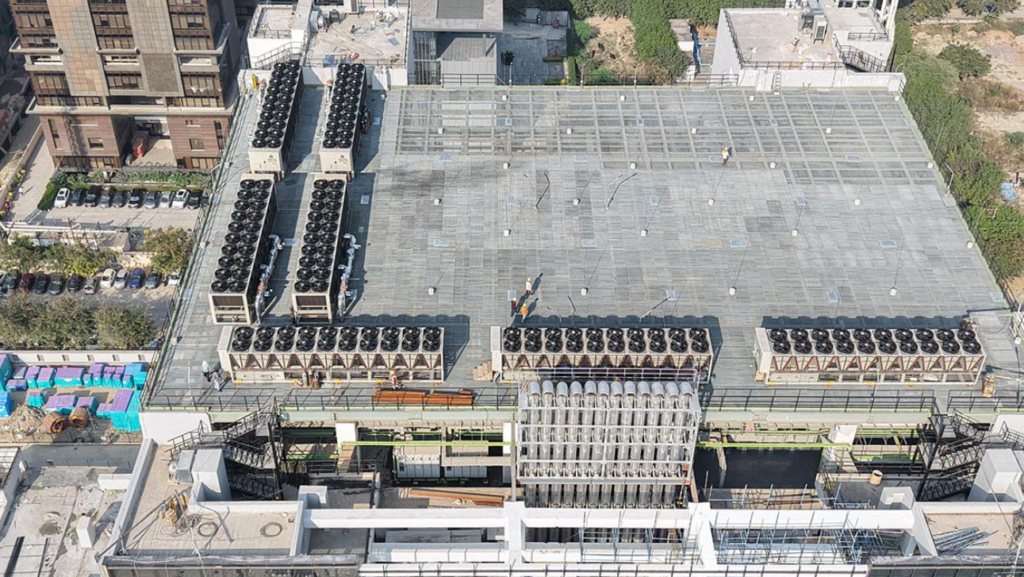
Capacity Expected to Increase Five-Fold by 2030
CRISIL Ratings estimates that India’s installed data centre capacity could reach approximately 7.5 GW by March 2030.
This expansion is expected to require more than ₹3 lakh crore in investments over four financial years.
The investment will cover new facilities, server infrastructure, power distribution systems, cooling technologies, network connectivity and supporting industrial infrastructure.
Data centre development involves much more than constructing large buildings. Facilities require advanced servers, uninterrupted power supplies, backup systems, fire protection, security infrastructure and sophisticated temperature-control technologies.
Consequently, the sector can generate business opportunities across several connected industries.
Around $70 Billion in Investment Underway
According to government information published in September 2026, nearly $70 billion in investments are already underway in India’s data centre sector. An additional $90 billion worth of projects have been announced.
The investment interest reflects the growing importance of India as a potential digital infrastructure destination.
International cloud providers, hyperscale technology companies and domestic enterprises are expanding their digital operations.
Companies evaluate several factors before selecting data centre locations, including land availability, power supply, internet connectivity, government policies, operational costs and proximity to customers.
India’s large consumer market and expanding digital economy provide important advantages.
Mumbai, Hyderabad and Visakhapatnam Emerging as Key Hubs
Mumbai has traditionally been one of India’s leading data centre markets. Its financial services ecosystem, international connectivity and access to submarine cable networks make it an important location.
Hyderabad is another major emerging destination, supported by its technology industry, IT infrastructure and availability of large industrial areas.
Visakhapatnam is also attracting attention as a potential digital infrastructure destination.
According to CRISIL, approximately three-fourths of the upcoming capacity is expected to be concentrated in Visakhapatnam, Mumbai and Hyderabad.
However, the pace of expansion will depend on timely grid connectivity, power transmission capacity and regulatory approvals.
Artificial Intelligence Driving New Demand
Artificial intelligence is becoming one of the most important drivers of data centre expansion.
Generative AI applications, machine learning, medical research, industrial automation and advanced computing require substantial processing capacity.
Training advanced AI models requires powerful processors and access to large datasets. GPUs and specialised AI accelerators are increasingly important in these facilities.
These systems also generate significant heat, making advanced cooling technologies essential.
As India’s AI ecosystem expands, domestic data centres could become increasingly important for hosting AI workloads and cloud-based applications.
Government Policies Supporting the Industry
The government has introduced several policy measures to strengthen India’s data centre ecosystem.
In the Union Budget 2022-23, data centres were included in the Harmonised List of Infrastructure, helping improve access to infrastructure financing.
The Union Budget 2026-27 also introduced a tax holiday until 2047 for eligible foreign cloud service providers, subject to specified conditions.
These measures are intended to encourage investment, improve digital infrastructure and attract global cloud companies.
Employment and Business Opportunities
The expansion of data centres can create employment opportunities during construction and operations.
Construction projects require civil engineers, electrical engineers, technicians, project managers and equipment specialists.
Operational facilities need network engineers, cybersecurity professionals, system administrators, electrical specialists and cooling-system experts.
The sector can also support businesses involved in construction materials, power equipment, server supply, networking, maintenance and security.
However, data centres are highly automated facilities. Therefore, employment growth will depend on specialised technical requirements rather than investment size alone.
Power, Water and Sustainability Challenges
Reliable electricity is among the most important requirements for a data centre.
Servers must operate continuously, and backup systems are essential to prevent interruptions.
Cooling is another major requirement because servers generate substantial heat during operation.
Air cooling, liquid cooling and other advanced technologies are used to maintain appropriate operating temperatures.
As the industry grows, power availability, electricity costs, water consumption and environmental sustainability will become increasingly important.
Renewable energy adoption and energy-efficient infrastructure could play a major role in supporting long-term growth.
What Does This Mean for India’s Digital Economy?
The expansion of domestic data centre capacity can strengthen cloud computing, digital payments, online banking, e-commerce, artificial intelligence and government digital services.
Startups, financial institutions, healthcare providers and educational platforms can benefit from better access to digital infrastructure.
However, the actual benefits will depend on project execution, infrastructure availability and the ability of operators to deliver reliable services at competitive costs.
Conclusion
India’s data centre industry is entering an important phase of expansion. The expected five-fold capacity increase by 2030 and investment potential exceeding ₹3 lakh crore highlight the sector’s growing importance.
Artificial intelligence, cloud computing and digitalisation are creating long-term demand for advanced computing infrastructure.
If India successfully addresses electricity, connectivity, investment and sustainability challenges, it could emerge as one of the world’s important data centre and digital infrastructure destinations.