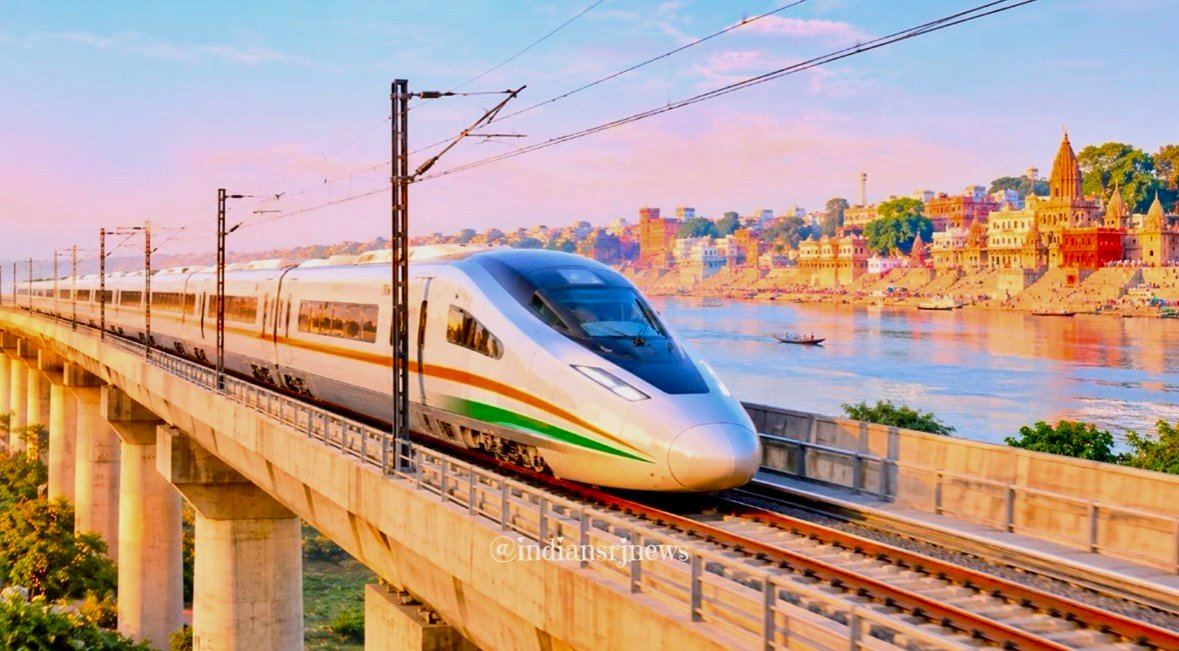
Delhi to Varanasi in Just 3 Hours and 33 Minutes? PM Modi Approves Northern Bullet Train Corridor
|
Getting your Trinity Audio player ready...
|
Varanasi | November 1, 2026
India is preparing for another major step towards transforming its railway infrastructure, with the proposed Northern Bullet Train Corridor emerging as a significant development for high-speed connectivity across northern and eastern India.
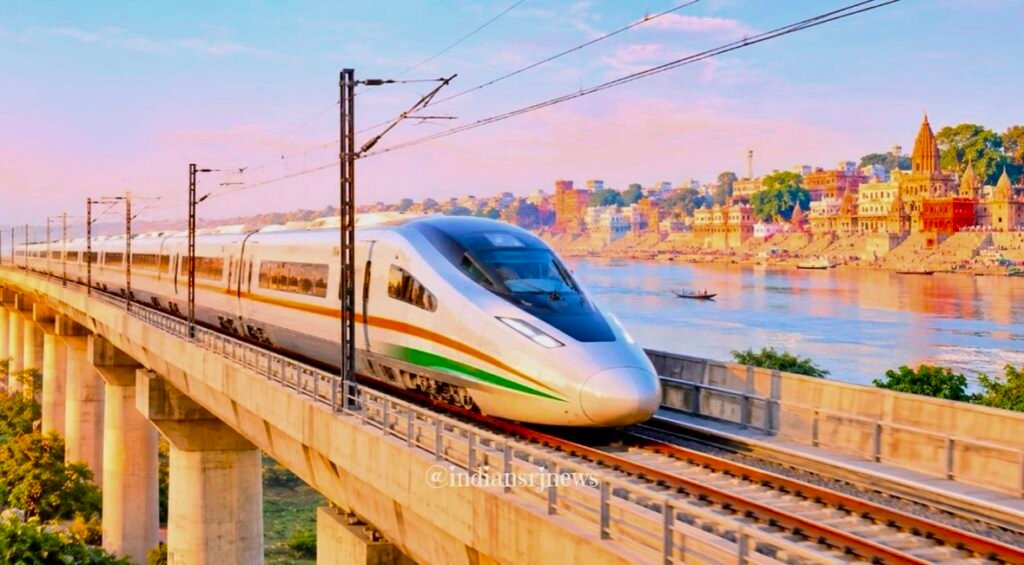
Union Railway Minister Ashwini Vaishnaw announced on October 31, 2026, in Varanasi that Prime Minister Narendra Modi has approved the Northern Corridor of the bullet train network. According to the minister, the proposed high-speed rail connection could reduce the journey between Delhi and Varanasi to approximately 3 hours and 33 minutes.
The proposed corridor is expected to connect several major cities, including Delhi, Agra, Kanpur, Lucknow, Ayodhya, Varanasi, Prayagraj, Patna, Siliguri and Guwahati.
The project is expected to improve passenger mobility, strengthen regional connectivity and create new opportunities for tourism, business, education and economic development.
What Is the Northern Bullet Train Corridor?
The Northern Bullet Train Corridor is a proposed high-speed railway network designed to connect major cities across northern and eastern India.
Unlike conventional railway services, high-speed trains are designed to operate at significantly higher speeds on dedicated infrastructure, allowing passengers to travel between distant cities in considerably less time.
The proposed corridor will begin in Delhi and extend through important destinations in Uttar Pradesh before connecting with Bihar, West Bengal and Assam.
The project is expected to strengthen transportation links between major economic centres, religious destinations and emerging urban regions.
Proposed Route: Which Cities Will Be Connected?
According to the route details shared by the Railway Minister, the proposed Northern Corridor will connect the following cities:
Delhi → Agra → Kanpur → Lucknow → Ayodhya → Varanasi → Prayagraj → Patna → Siliguri → Guwahati.
The route is significant because it brings together some of India’s most important cultural, religious, commercial and industrial destinations within a proposed high-speed rail network.
It could also improve connectivity between the national capital and several major cities in eastern and northeastern India.
Delhi to Varanasi in Approximately 3 Hours and 33 Minutes
One of the most significant highlights of the announcement is the projected reduction in travel time between major cities.
The Railway Minister shared the following estimated journey times:
- Delhi to Agra – 59 minutes
- Delhi to Kanpur – 1 hour 45 minutes
- Delhi to Lucknow – 2 hours 12 minutes
- Delhi to Varanasi – approximately 3 hours 33 minutes
- Lucknow to Varanasi – 1 hour 21 minutes
- Varanasi to Prayagraj – 33 minutes
- Varanasi to Patna – approximately 1 hour
- Varanasi to Agra – 2 hours 34 minutes
These are projected journey times shared in connection with the proposed corridor. Actual travel times will depend on the final alignment, station locations and operational arrangements.
Why Is This Project Important for Varanasi?
Varanasi, also known as Kashi and Banaras, is one of India’s most prominent religious and cultural destinations.
The city attracts millions of pilgrims and tourists who visit the Kashi Vishwanath Temple, the famous Ganga ghats and its historic cultural landmarks.
Improved high-speed connectivity could make travel to Varanasi significantly more convenient for visitors from Delhi and other major cities.
The project could also strengthen tourism-related industries, including hospitality, local transportation, handicrafts, restaurants and other businesses.
Connectivity with Ayodhya, Prayagraj and Patna could further support religious tourism circuits across northern India.
Economic Opportunities, Business and Employment
The proposed corridor is expected to offer benefits beyond passenger transportation.
Faster connectivity between major cities could create new opportunities for businesses, entrepreneurs, students and working professionals.
Some of the expected benefits include:
- Better access to major commercial markets.
- Improved mobility for students and working professionals.
- Easier access to specialised healthcare facilities in major cities.
- New opportunities for small businesses and MSMEs.
- Increased tourism and hospitality activities.
- Greater economic interaction between cities and regional markets.
The Railway Minister highlighted the potential benefits for middle-class families, young people, small-scale entrepreneurs and the MSME sector.
Make in India: Focus on Domestic Manufacturing
Another important aspect of the announcement was the emphasis on the Make in India initiative.
Ashwini Vaishnaw stated that the bullet train project would focus on indigenous capabilities, with Indian engineers, skilled workers and technical professionals playing important roles in its development.
This approach is expected to strengthen India’s railway manufacturing ecosystem and support the development of advanced engineering capabilities within the country.
Project Status: What Has Been Confirmed So Far?
While the announcement of approval marks an important development, several project details are yet to be officially established.
The approval of the Northern Corridor should not be confused with the commencement of construction across the entire proposed route.
The following details still require further official clarification:
- Total project cost and funding structure.
- Final route alignment and station locations.
- Detailed construction schedule.
- Ticket pricing and fare structure.
- Expected commercial operational date.
- Detailed engineering and implementation plans.
These details will become clearer as the project moves through its subsequent planning and implementation stages.
A New Chapter in India’s High-Speed Railway Connectivity
The proposed Northern Bullet Train Corridor has the potential to transform how people travel across northern and eastern India.
For Varanasi, the project could represent a major improvement in connectivity, bringing the ancient spiritual city closer to the national capital and other important destinations.
If developed according to the proposed vision, the corridor could become an important part of India’s future high-speed rail network, supporting tourism, economic development and modern transportation.
The next major developments will be the release of detailed project information, final route planning and implementation announcements.