Cyclone Akvan Raises Concerns Along India’s Eastern Coast
|
Getting your Trinity Audio player ready...
|
India’s eastern coastline is facing a major weather emergency as Cyclone Akvan approaches the coastal regions of Odisha and Andhra Pradesh. The developing situation has prompted extensive precautionary measures, evacuation operations and emergency preparedness across vulnerable districts.
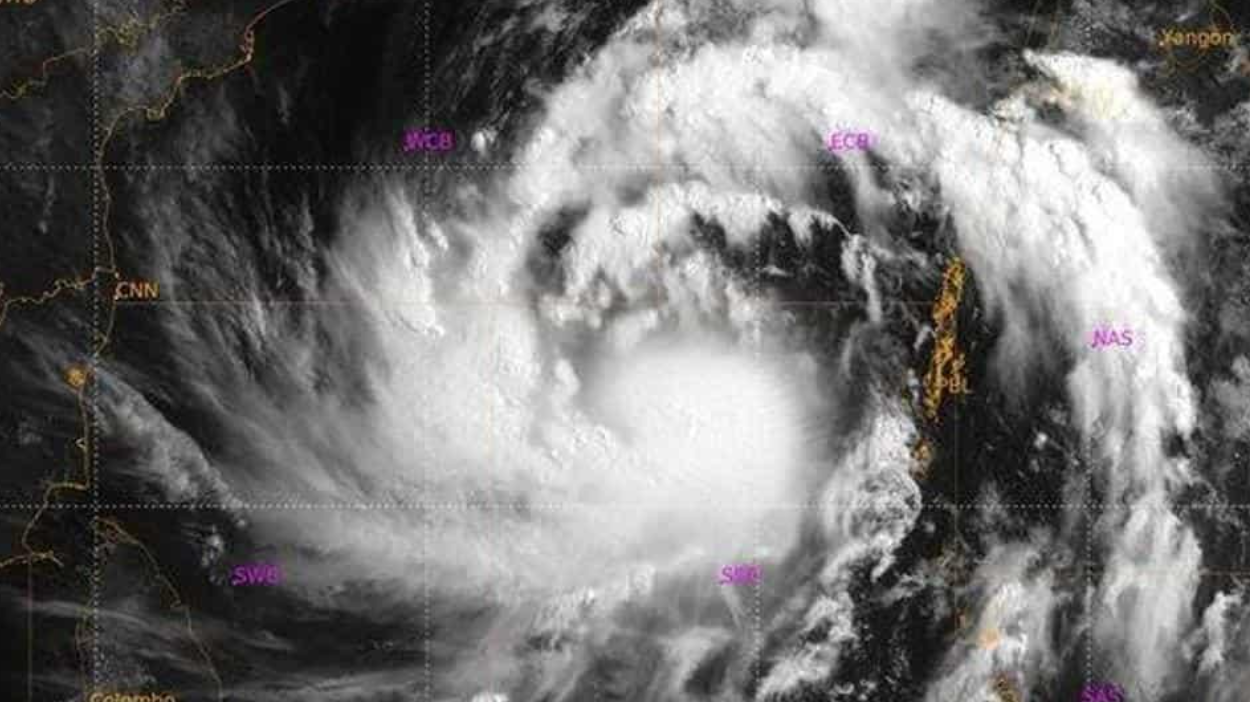
The India Meteorological Department (IMD) has been continuously monitoring the cyclone’s movement over the west-central Bay of Bengal. The system initially intensified into a Severe Cyclonic Storm before weakening into a Cyclonic Storm as it approached the coastline on November 20.
The cyclone has raised concerns because of its potential to bring strong winds, heavy rainfall, rough sea conditions and coastal flooding.
According to the IMD’s coastal weather bulletin issued at 8:55 AM on November 20, the storm was positioned close to the North Andhra Pradesh and South Odisha coastline. Its centre was located near latitude 18.3°N and longitude 84.8°E, approximately 70 kilometres east of Kalingapatnam in Andhra Pradesh and 110 kilometres south of Gopalpur in Odisha.
The weather department indicated that the system was likely to cross the coastline close to Gopalpur during the forenoon of November 20.
The storm was moving north-northwestwards, with maximum sustained wind speeds estimated at 70–80 kilometres per hour and gusts reaching approximately 90 kilometres per hour.
The outer rain bands had already started interacting with the coastal land, indicating that the landfall process was approaching.
Authorities in both states have been instructed to maintain emergency readiness and prioritise the safety of people living in vulnerable coastal settlements.
1. How Cyclone Akvan Developed Over the Bay of Bengal
Cyclone Akvan developed from a weather system over the southern and west-central parts of the Bay of Bengal.
As the system strengthened, it gradually developed into a cyclonic storm and subsequently intensified into a Severe Cyclonic Storm on November 18.
Initially, the IMD forecast that the cyclone would cross the North Andhra Pradesh, Yanam and South Odisha coastline around November 20.
On November 19, the storm was expected to make landfall with sustained wind speeds of 90–100 kilometres per hour and gusts reaching 110 kilometres per hour.
However, by the morning of November 20, its intensity had weakened.
The latest available IMD bulletin reported sustained winds of 70–80 kilometres per hour, with gusts reaching 90 kilometres per hour.
At that stage, the system was moving towards the coastal region near Gopalpur.
The weakening of the cyclone was a significant development, but it did not eliminate the possibility of heavy rainfall, strong winds and flooding.
Meteorologists continued monitoring the storm’s movement, wind intensity and rainfall distribution to assess its potential impact on coastal communities.
The situation also highlighted the unpredictable nature of tropical weather systems, where changes in atmospheric conditions can influence the direction and intensity of a cyclone within a relatively short period.
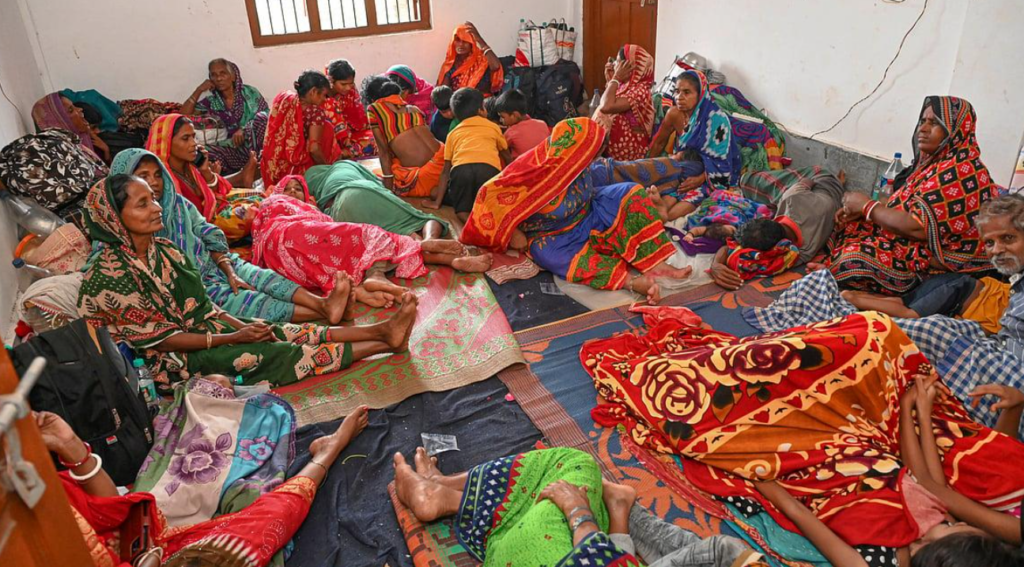
2. Odisha Evacuates Nearly Three Lakh People as Emergency Shelters Become Operational
Odisha has undertaken extensive evacuation operations to protect residents living in vulnerable areas.
According to an NDTV report published on November 20, approximately 298,676 people had been evacuated by Thursday evening and shifted to 2,523 relief camps.
The state also prepared 9,341 cyclone shelters across potentially affected districts.
In addition, 423 rescue teams were reported to have been deployed to strengthen emergency response operations.
The evacuation programme focused particularly on coastal settlements, low-lying locations and areas vulnerable to flooding and strong winds.
District administrations were instructed to coordinate with local emergency services and ensure that residents could reach safer locations before the weather conditions deteriorated.
Relief camps were prepared to provide essential assistance, including food, drinking water, medical support and temporary accommodation.
The state administration also prioritised the protection of children, elderly residents, pregnant women and people requiring medical assistance.
Malkangiri district announced the closure of schools, colleges and Anganwadi centres on November 19 and 20 as a precautionary measure.
Such closures are important during cyclonic conditions because they reduce unnecessary public movement and allow local authorities to focus on emergency arrangements.
The scale of evacuation demonstrates the seriousness with which the authorities have approached the potential threat posed by Cyclone Akvan.
3. Andhra Pradesh Coastal Districts Face Heavy Rainfall and Strong Wind Warnings
Andhra Pradesh is another major region facing the effects of Cyclone Akvan.
The northern coastal districts have been placed under close observation because of the possibility of strong winds, heavy rainfall and dangerous sea conditions.
Districts including Srikakulam, Vizianagaram, Visakhapatnam and Kakinada have been among the areas requiring particular attention.
According to the IMD’s coastal bulletin, gale-force winds were expected along the North Andhra coast, with wind speeds reaching approximately 45–50 knots and gusts reaching 55 knots.
These conditions can create serious risks for fishing boats, shipping operations and other coastal activities.
The weather department also warned about heavy rainfall and thunderstorms in affected areas.
Port authorities were instructed to maintain precautionary signals.
Danger Signal VII was reported at Mulapeta and Kalingapatnam ports, while Danger Signal V was displayed at Bheemunipatnam, Visakhapatnam and Gangavaram ports.
These signals are important warnings for maritime operators and indicate the need for additional precautions.
Fishing communities were advised to remain away from the sea during the dangerous weather conditions.
Local administrations also needed to monitor road connectivity, electricity networks, hospitals and other essential public infrastructure.
Strong winds can damage electrical lines, uproot trees and affect communication networks, making emergency coordination more difficult.
Consequently, disaster management agencies have focused on ensuring that essential services remain available throughout the cyclone period.
5. Railway Operations Disrupted as Several Trains Are Cancelled
Cyclone Akvan has also affected railway operations along India’s eastern corridor.
As a precautionary measure, railway authorities cancelled and rescheduled several train services operating through potentially affected areas.
According to NDTV’s November 20 report, the East Coast Railway cancelled 41 trains and rescheduled another 29 services.
The South Eastern Railway also cancelled at least 28 express trains, particularly services operating to or through Puri.
These measures were introduced to reduce risks to passengers and railway infrastructure.
Heavy rainfall, strong winds, waterlogging and falling trees can affect railway tracks and overhead electrical systems.
Railway authorities must therefore assess track conditions and operational safety before allowing trains to resume normal services.
The disruption may affect passengers travelling between Odisha, Andhra Pradesh and other parts of the country.
Passengers have been advised to verify their train status through official railway platforms before starting their journeys.
They should also check cancellation announcements, revised departure times and refund procedures.
The incident highlights how severe weather conditions can affect not only local communities but also national transportation networks.
6. Disaster Response Teams Strengthen Rescue and Relief Preparedness
Disaster response agencies play a critical role in protecting lives during cyclonic emergencies.
In Odisha and Andhra Pradesh, administrative authorities have focused on coordinating evacuation arrangements, emergency shelters and relief operations.
The primary objective is to ensure that vulnerable residents can be moved to safe locations before dangerous weather conditions intensify.
Rescue operations may also be required in areas affected by waterlogging, damaged roads and fallen trees.
Emergency teams need to maintain access to medical facilities and ensure that essential supplies reach affected communities.
Following landfall, restoration activities become equally important.
These may include:
- Clearing roads blocked by fallen trees and debris.
- Restoring electricity and communication services.
- Providing clean drinking water.
- Assessing damage to residential properties.
- Supporting affected fishing and farming communities.
- Providing medical assistance to injured or vulnerable residents.
Effective coordination between district administrations, emergency services and local communities is essential to minimise the overall impact of a cyclone.
7. Safety Guidelines for Residents in Cyclone-Affected Areas
Residents living in coastal and low-lying regions should follow official safety instructions throughout the cyclone period.
The following precautions are particularly important:
- Avoid beaches, coastal roads and other exposed locations.
- Fishermen should not venture into the sea until authorities declare conditions safe.
- Move to designated cyclone shelters if instructed by local authorities.
- Keep essential medicines, drinking water and emergency supplies ready.
- Stay away from damaged electrical poles and fallen power lines.
- Keep mobile phones charged and maintain contact with family members.
- Avoid travelling through flooded roads.
- Follow official IMD bulletins and district administration announcements.
- Do not circulate unverified cyclone videos or emergency claims on social media.
Following these precautions can reduce the risks associated with strong winds, flooding and other cyclone-related hazards.
Conclusion: Cyclone Akvan Highlights the Importance of Disaster Preparedness
Cyclone Akvan has created a challenging weather situation for India’s eastern coastline, particularly in Odisha and Andhra Pradesh.
The evacuation of nearly three lakh people, the establishment of thousands of cyclone shelters and the deployment of emergency response teams demonstrate the scale of preparations undertaken by the authorities.
Although the cyclone weakened from a Severe Cyclonic Storm to a Cyclonic Storm before approaching the coastline, the possibility of heavy rainfall, strong winds and coastal flooding remained significant.
The immediate priority is to protect human lives, maintain essential services and ensure that emergency assistance reaches vulnerable communities.
The situation also highlights the importance of early weather warnings, effective evacuation planning and coordination between government agencies.
As the cyclone moves across the coastal region and gradually weakens, authorities will need to continue monitoring weather conditions and assess the impact on infrastructure, transport, and local communities.
The safety of residents must remain the highest priority until the affected areas are officially declared safe.