Trump Threatens to Double Tariffs on Mexico Over Migrant
|
Getting your Trinity Audio player ready...
|
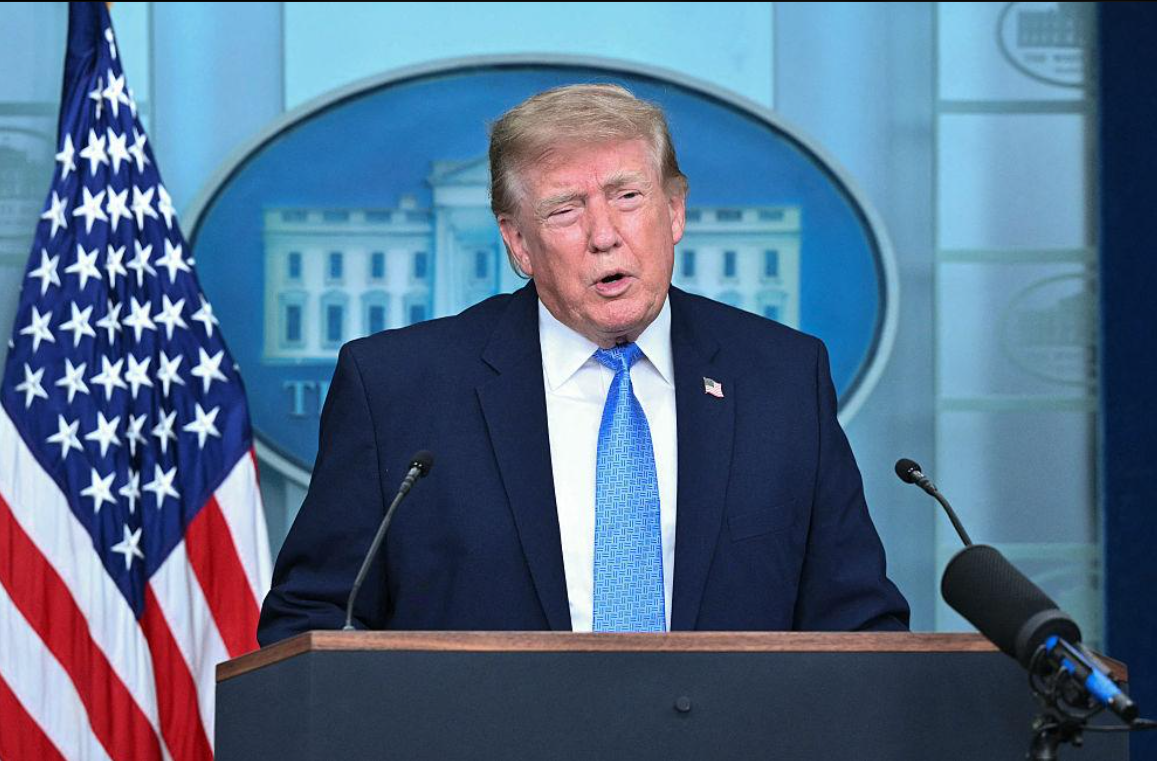
Washington/Mexico City, November 13, 2026: US President Donald Trump has threatened to double tariffs on Mexican imports if Mexico fails to stop a group of migrants travelling north towards the United States.
The statement has raised fresh concerns about the relationship between Washington and Mexico City, particularly over the connection between immigration enforcement, border security and international trade.
The threat comes at a time when the two neighbouring countries remain closely connected through manufacturing, agriculture, energy and cross-border supply chains.
What Triggered the Latest Dispute?
According to Reuters reporting, an estimated 1,500 migrants, most of them from Central America, began travelling north from Tapachula in southern Mexico near the Guatemala border.
The group reportedly hoped to reach the United States in search of opportunities to live and work.
The movement occurred after the US midterm elections, with some migrants believing that political developments could create new opportunities for immigration.
The situation attracted the attention of the Trump administration, which has repeatedly emphasised stricter border enforcement.
Trump’s Tariff Warning
On November 12, President Trump warned that tariffs on Mexican goods could be doubled if Mexico did not stop the migrants from reaching the United States.
He communicated the threat through a social media post, calling on Mexican authorities and US border enforcement agencies to take immediate action.
The warning linked the migration issue directly to trade policy.
However, the announcement was a threat rather than confirmation that the proposed higher tariffs had already taken effect.
Why Are Tariffs Important for Mexico?
The United States is Mexico’s most important trading partner.
Both countries maintain extensive economic connections through manufacturing, agriculture, automobiles, electronics and industrial supply chains.
Mexican manufacturers export a wide range of goods to the United States, while American companies depend on Mexican production facilities and cross-border trade.
Any significant increase in tariffs could therefore affect businesses operating in both countries.
Higher import duties may increase costs for companies that rely on Mexican components and products.
Depending on how businesses respond, some additional costs could eventually reach consumers.
Possible Impact on North American Trade
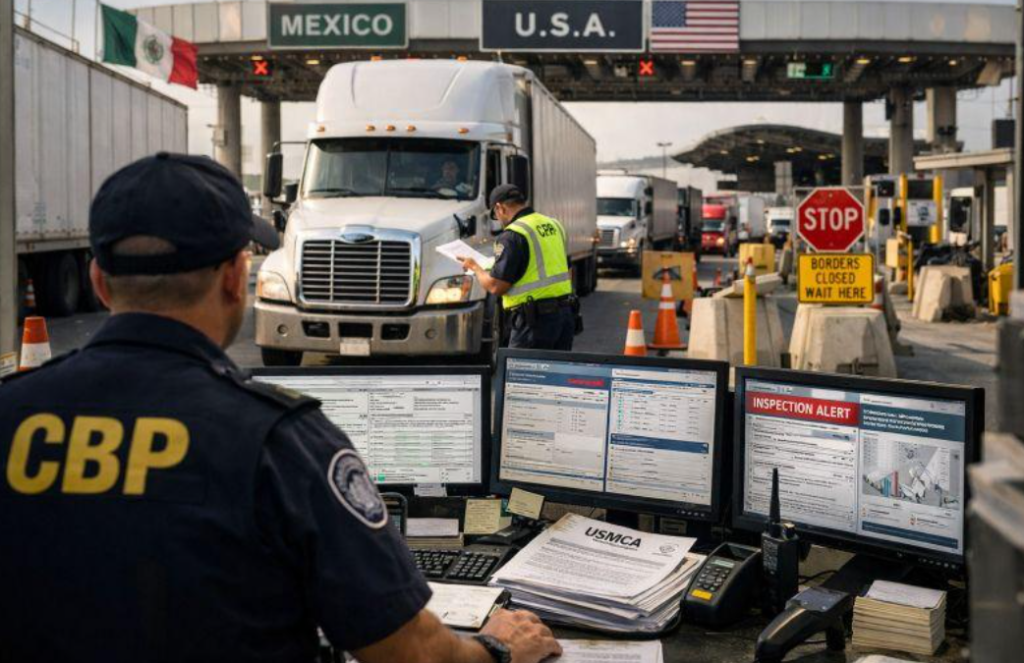
The United States and Mexico are closely connected through regional trade arrangements, particularly the United States-Mexico-Canada Agreement (USMCA).
The agreement provides a framework for trade among the three North American economies.
A dispute involving tariffs could create uncertainty for exporters, manufacturers and investors.
Industries with integrated cross-border supply chains could face additional pressure if higher tariffs were implemented.
Companies may also reconsider sourcing decisions, production arrangements and investment plans if trade conditions become unpredictable.
Migration Remains a Major Political Issue
Migration along the US-Mexico border has remained one of the most important issues in American domestic politics.
Many migrants travelling north are seeking employment, family reunification or protection from difficult conditions in their home countries.
Governments in the region face the challenge of managing migration while addressing humanitarian concerns and border security.
Mexico has also faced pressure to coordinate with the United States on migration enforcement.
What Could Happen Next?
The latest tariff warning could increase diplomatic pressure on Mexico to strengthen migration controls.
However, the final impact will depend on whether the US administration formally changes tariff policy and how Mexican authorities respond.
Businesses and investors will also monitor developments because trade uncertainty can influence prices, supply chains and investment decisions.
Conclusion: President Trump’s tariff warning against Mexico highlights how immigration policy and international trade can become closely connected. While the proposed tariff increase has not been confirmed as implemented, the threat has introduced fresh uncertainty into the economic relationship between two major North American trading partners.
Source: Reuters reporting, November 12, 2026.