
India Considers 11,200 MW Siang Mega Dam Amid China’s 60,000 MW Hydropower Project
|
Getting your Trinity Audio player ready...
|
Itanagar/New Delhi: A major debate over water security, national interests and indigenous rights has emerged in Arunachal Pradesh, where a proposed 11,200 MW hydropower project on the Siang River is facing strong opposition from local communities.
The proposed Siang Upper Multipurpose Project (SUMP) has gained strategic importance amid China’s massive hydropower development plans on the Yarlung Tsangpo River in Tibet. However, residents of the Siang Valley, particularly members of the indigenous Adi community, have raised concerns about displacement, ancestral land, environmental damage and the future of their traditional livelihoods.
What Is India’s Proposed 11,200 MW Siang Project?
The Siang Upper Multipurpose Project is a proposed large-scale hydropower and water storage project on the Siang River in Arunachal Pradesh.
The project is designed with a proposed power generation capacity of approximately 11,200 MW. It is also expected to include a reservoir with around 9.2 billion cubic metres of live storage capacity.
Apart from electricity generation, the project is being examined for its potential role in water storage, flow regulation and India’s long-term water security.
Why Is China’s 60,000 MW Project Raising Concerns?
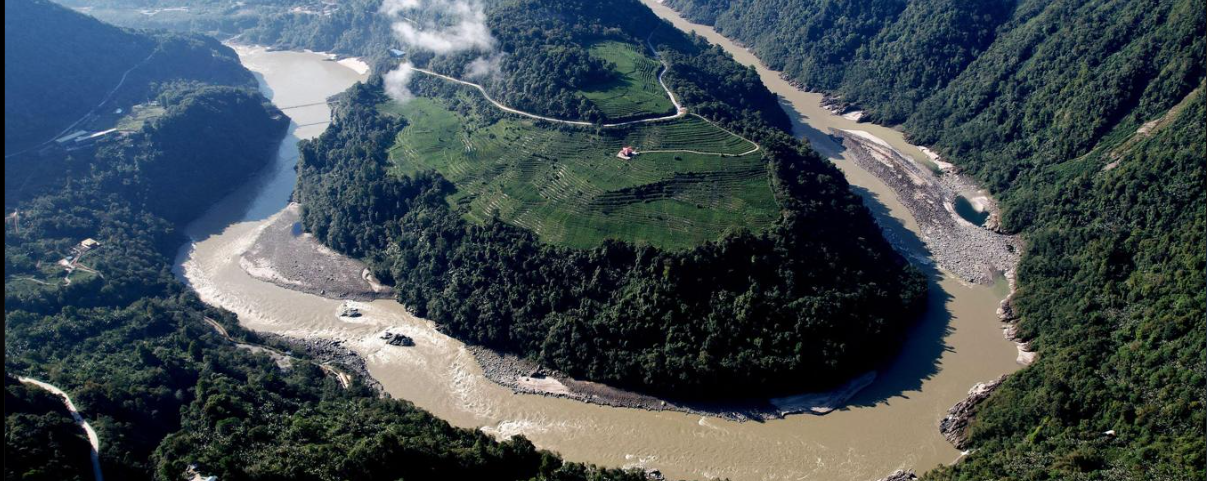
The Yarlung Tsangpo River originates in Tibet and enters India through Arunachal Pradesh, where it is known as the Siang River. It subsequently flows through Assam as the Brahmaputra.
China approved a major hydropower development on the Yarlung Tsangpo in December 2024 and announced the start of construction in July 2025.
The proposed project has an estimated capacity of around 60,000 MW and is among the largest hydropower developments planned anywhere in the world.
India is concerned that large-scale infrastructure on the upper reaches of the river could influence downstream water flows, water availability and the timing of water releases.
The proposed Siang project is therefore being examined as one of India’s potential responses to these strategic and water-security concerns.
Why Are People Protesting in Arunachal Pradesh?
The proposed project has faced sustained opposition from sections of the indigenous Adi community and local organisations in the Siang Valley.
Protesters fear that the proposed reservoir could submerge ancestral villages, agricultural land and forests.
According to local opposition groups, 27 villages could be completely submerged, while another 40 to 50 villages may face varying degrees of impact.
Residents have expressed concerns over displacement, compensation, rehabilitation, loss of livelihoods and damage to the region’s ecological balance.
For many members of the Adi community, the Siang River and surrounding ancestral lands are closely connected to their culture, identity and traditional way of life.
Protests Escalate During October 2026
Opposition to the project intensified in October 2026, particularly over preliminary survey and drilling activities.
On October 23, clashes broke out between protesters and security personnel in parts of the Siang Valley. Reports also emerged of damage to an NHPC office and government property, followed by police arrests.
On November 2, a 36-hour shutdown was organised in Upper Siang district against the proposed project.
Chief Minister Pema Khandu subsequently appealed to residents and community organisations to participate in dialogue and assured them that their concerns would be addressed.
Has the Indian Government Approved Construction?
As of November 13, 2026, the project has not received final approval for construction.
On November 2, Chief Minister Pema Khandu clarified that neither the central government nor the state government had taken a final decision to construct the Siang Upper Multipurpose Project.
The government is currently discussing the preparation of a Pre-Feasibility Report (PFR), which is intended to examine the project’s technical viability and possible alternatives.
If the project is found feasible, it would still require further procedures, including a Detailed Project Report, environmental impact assessment, social impact assessment and other statutory approvals.
The Chief Minister has also assured that public consultations and applicable legal safeguards would be essential before any construction decision.
Will the Dam Prevent Floods in Assam?
One of the major arguments surrounding the project is its potential role in water storage and flood management.
A large reservoir could potentially store a portion of incoming water and regulate releases according to operating requirements. This may help manage certain high-flow conditions.
However, the project cannot guarantee that floods in Assam will disappear.
The Brahmaputra’s flooding is influenced by several factors, including heavy monsoon rainfall, tributary flows, landslides, sediment accumulation and local river conditions.
A single dam on the Siang River cannot control all these factors.
The potential flood-management benefits would depend on the final design, reservoir capacity, operating rules, rainfall conditions and coordination with other river systems.
Experts would also need to assess the risks associated with extreme rainfall, sudden water releases, seismic activity and dam safety.
When Will the Siang Dam Be Completed?
The project remains at the preliminary feasibility stage. No official construction commencement date or completion deadline has been announced.
Before construction can begin, the project would need to pass through further technical, environmental, social and regulatory assessments.
Therefore, there is currently no confirmed year by which the Siang Upper Multipurpose Project will be completed.
Why Is This Project Important for India?
The proposed Siang project involves several major national concerns, including hydropower generation, water security, strategic preparedness and the management of the Brahmaputra river system.
At the same time, the concerns of indigenous communities, environmental protection, seismic risks and rehabilitation cannot be overlooked.
Conclusion: India’s proposed Siang Upper Multipurpose Project has emerged as a major infrastructure and strategic issue amid China’s upstream hydropower development in Tibet. However, strong local opposition and unresolved environmental and social questions mean that the project’s future remains uncertain. As of November 2026, it is still at the feasibility-study stage, not an approved construction project.
Sources: Public statements by the Government of Arunachal Pradesh, Ministry-related project information and reporting published in 2026.


