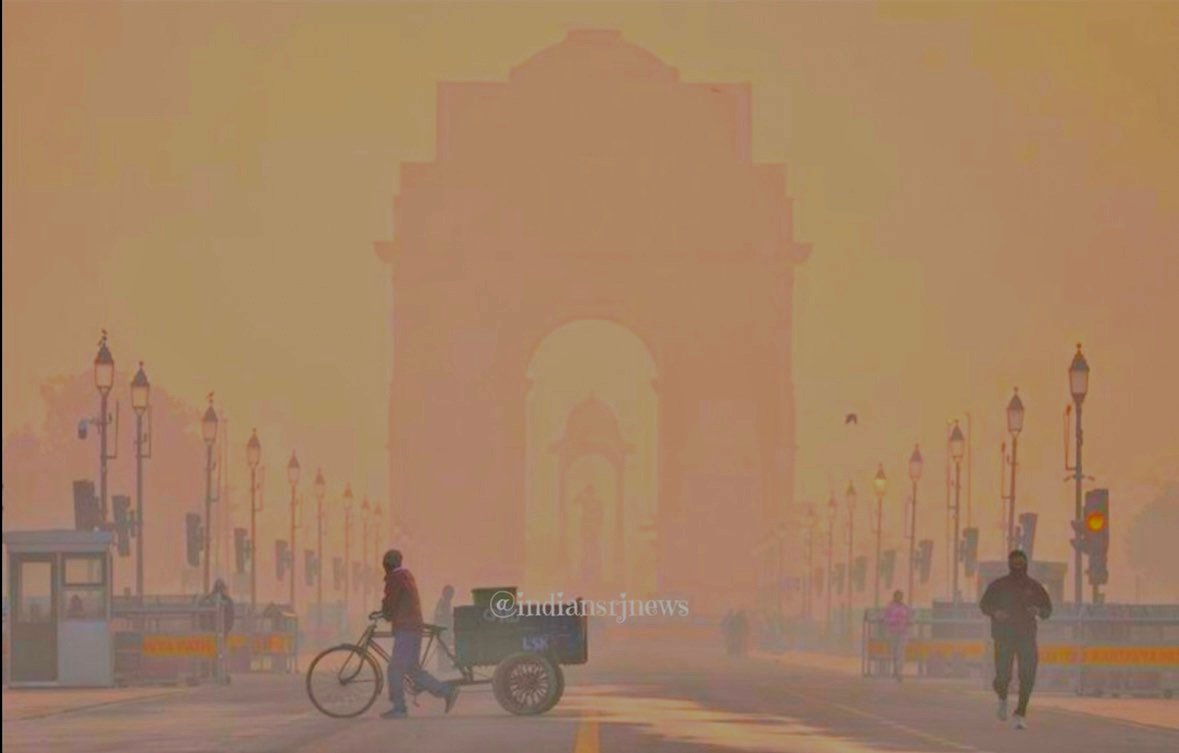
Delhi Air Pollution Worsens as AQI Reaches 369
|
Getting your Trinity Audio player ready...
|
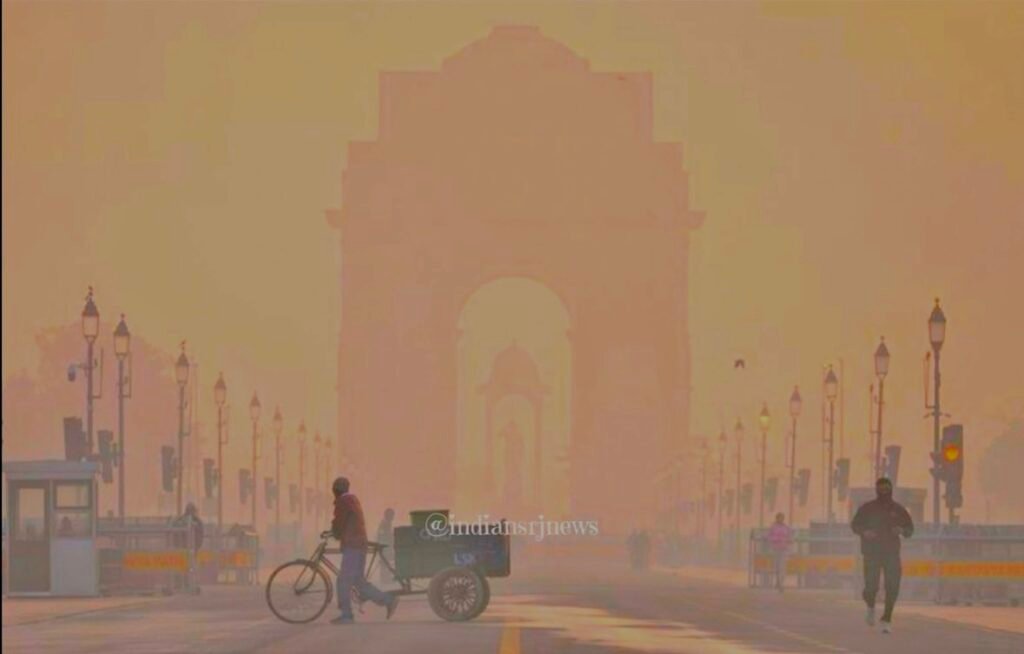
New Delhi, November 4, 2026: Air pollution has once again become a major concern in India’s national capital as Delhi continues to experience deteriorating air quality with the onset of winter. According to readings reported on Wednesday morning, the city’s average Air Quality Index (AQI) stood at 369, placing it in the ‘Very Poor’ category. Meanwhile, the Mandir Marg monitoring station recorded an AQI of 508, entering the Severe category. The worsening air quality has raised concerns about respiratory health, particularly among children, senior citizens, and people with existing respiratory conditions.
Several Delhi Areas Report High Pollution Levels
Air quality monitoring stations across Delhi have reported significant pollution levels.
Mandir Marg recorded an AQI of 508, while Jahangirpuri and Punjabi Bagh reported 447 each. Rohini recorded 433, and Vivek Vihar registered 428.
These readings highlight the uneven distribution of pollution across the national capital. AQI levels may change throughout the day depending on weather conditions and local emissions.
Why Is Air Pollution Increasing in Delhi?
Delhi’s air pollution is influenced by several factors, including vehicle emissions, construction dust, industrial pollution, waste burning and smoke from agricultural residue burning in neighbouring regions.
Weather conditions also play an important role. During winter, slower wind speeds and atmospheric conditions can reduce the dispersion of pollutants, allowing harmful particles to remain closer to the ground.
Fine particulate matter, particularly PM2.5, is a major concern because these tiny particles can penetrate deep into the respiratory system.
GRAP-2 Restrictions and Government Measures
Authorities have been implementing measures under the Graded Response Action Plan (GRAP) to control pollution across Delhi-NCR.
The measures include dust-control operations, road cleaning, monitoring of construction activities and action against major pollution sources.
Delhi’s Public Works Department has also planned the deployment of 200 truck-mounted anti-smog guns and additional road-cleaning operations.
However, experts have long highlighted that temporary measures alone cannot provide a permanent solution. Effective pollution management requires continuous action against vehicle emissions, industrial pollution, construction dust and improper waste disposal.
How Does Poor Air Quality Affect Human Health?
Prolonged exposure to polluted air can increase the risk of respiratory problems and worsen existing health conditions.
Children, elderly people and individuals with asthma or other respiratory illnesses are particularly vulnerable.
Exposure to PM2.5 particles may contribute to coughing, breathing difficulties, throat irritation and other respiratory symptoms.
People are advised to reduce prolonged outdoor activities during periods of high pollution and seek medical advice if they experience breathing difficulties.
Will Delhi Get Relief in the Coming Days?
Weather conditions, especially wind speed and rainfall, can influence the concentration of pollutants in the atmosphere.
Stronger winds may help disperse pollutants, while rainfall can temporarily reduce airborne dust. However, weather-related improvement does not replace the need for long-term pollution control.
Delhi’s recurring winter pollution crisis highlights the importance of coordinated action involving government agencies, industries, transport authorities, and citizens.
Conclusion: Delhi’s worsening air quality is more than an environmental concern; it is a major public health challenge. The effectiveness of pollution-control measures and upcoming weather conditions will remain important factors in determining the city’s air quality in the coming days.
Note: AQI figures mentioned in this article refer to reported readings from the morning of November 4, 2026, and may change over time.