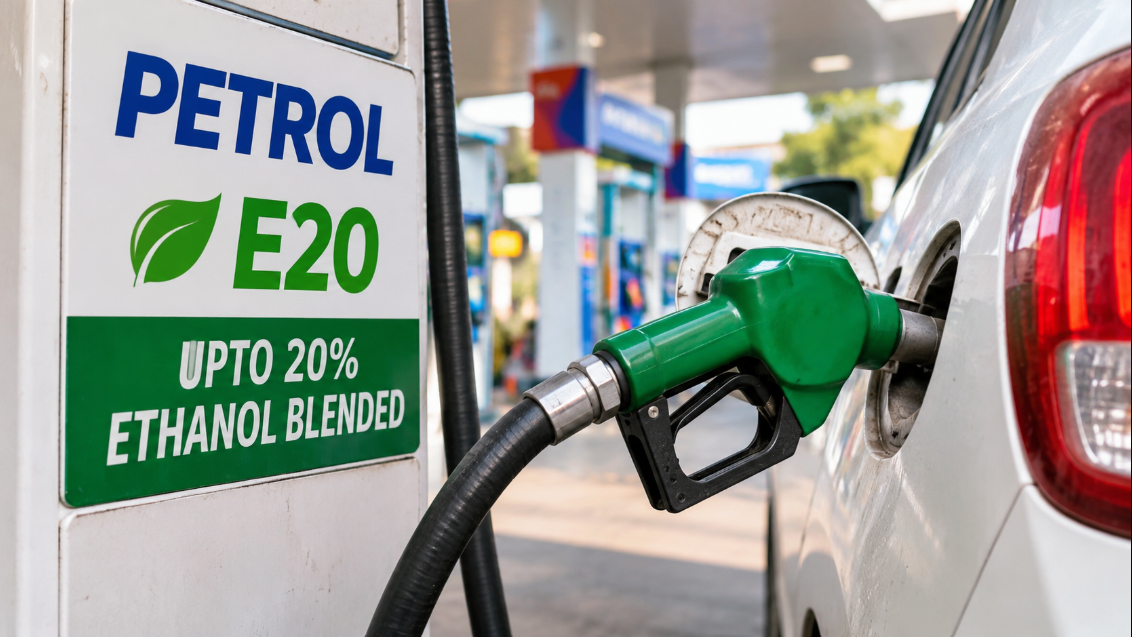
Karnataka Petrol Samples Show Up to 31.2% Ethanol
|
Getting your Trinity Audio player ready...
|
Bengaluru: A fresh controversy over ethanol blending in petrol has emerged in Karnataka after tests reportedly found ethanol content of up to 31.2% in certain fuel samples collected across seven districts.
The reported figure is significantly higher than the 20% ethanol blending level associated with India’s E20 fuel programme.
However, oil marketing companies have challenged the testing findings, raising questions about whether the samples were examined using prescribed testing standards.
The issue has renewed discussions about fuel quality, vehicle compatibility and regulatory oversight as India continues to expand its ethanol blending programme.
What Did the Karnataka Fuel Tests Find?
According to media reports, petrol samples collected from seven districts in Karnataka were tested for ethanol content.
The reported results indicated ethanol levels ranging from 13.5% to 31.2%.
If independently verified through standard-compliant testing, the higher readings could raise concerns about fuel quality and compliance with applicable blending specifications.
However, these findings relate to specific samples collected in Karnataka and should not be interpreted as evidence that petrol across India contains 31% ethanol.
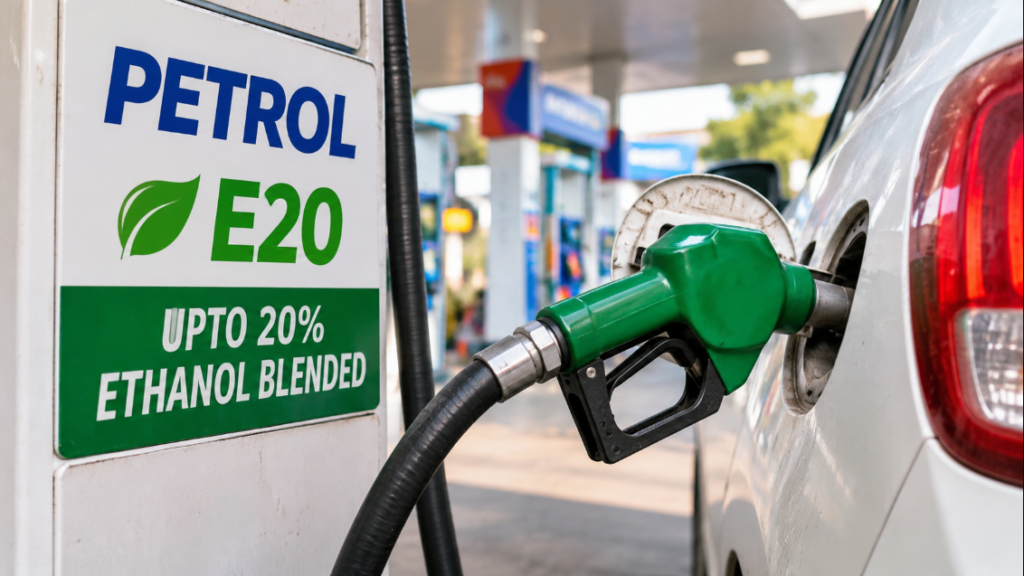
Understanding India’s E20 Ethanol Blending Programme
India has promoted the blending of ethanol with petrol as part of its strategy to reduce dependence on imported crude oil and encourage alternative fuel sources.
E20 refers to petrol containing up to 20% ethanol by volume under the applicable fuel specification.
Ethanol is primarily produced from agricultural feedstocks, including sugarcane and other crops.
The programme is intended to support energy security, diversify fuel sources and create additional opportunities for agricultural producers.
The Karnataka findings have raised questions about whether the reported samples complied with the applicable fuel specifications.
Oil Marketing Companies Challenge the Findings
The reported test results have prompted objections from oil marketing companies.
Indian Oil Corporation, Bharat Petroleum and Hindustan Petroleum have reportedly questioned the testing procedure and the standards used to assess the ethanol content.
Their position is that fuel composition must be evaluated using prescribed technical procedures and recognised testing standards.
This disagreement makes independent verification particularly important before treating the reported 31.2% figure as an established violation.
Could Higher Ethanol Content Affect Vehicles?
Ethanol blending can influence engine performance and fuel-system components, depending on vehicle design and compatibility.
Vehicles designed for E20 fuel may have different requirements from older vehicles that were not developed for higher ethanol blends.
Potential concerns associated with incompatible fuel systems include changes in fuel efficiency and the performance or durability of certain rubber and plastic components.
However, the Karnataka test report alone does not establish that any particular vehicle has suffered damage.
Vehicle owners should follow the fuel recommendations provided by their manufacturers.
Does All Petrol in India Contain 31% Ethanol?
No. The reported findings concern selected petrol samples collected in seven districts of Karnataka.
There is currently no verified evidence from these findings to conclude that petrol sold across India contains 31% ethanol.
The reported figures must be assessed alongside the oil companies’ objections, the testing methodology and any subsequent independent verification.
What Happens Next?
The dispute highlights the importance of transparent fuel testing and effective quality-control mechanisms.
Independent testing using prescribed standards will be important to establish whether the reported ethanol levels accurately reflect the composition of the tested samples.
If excessive blending is confirmed, regulatory authorities may need to examine compliance and take appropriate action.
Until then, the reported findings remain contested and should not be treated as a confirmed nationwide fuel-quality issue.
Disclaimer: This report is based on information available as of November 7, 2026. The reported 31.2% ethanol reading relates to selected Karnataka petrol samples and has been disputed by oil marketing companies. Further verification is required.