India Announces Major Development Package for Nepal
|
Getting your Trinity Audio player ready...
|
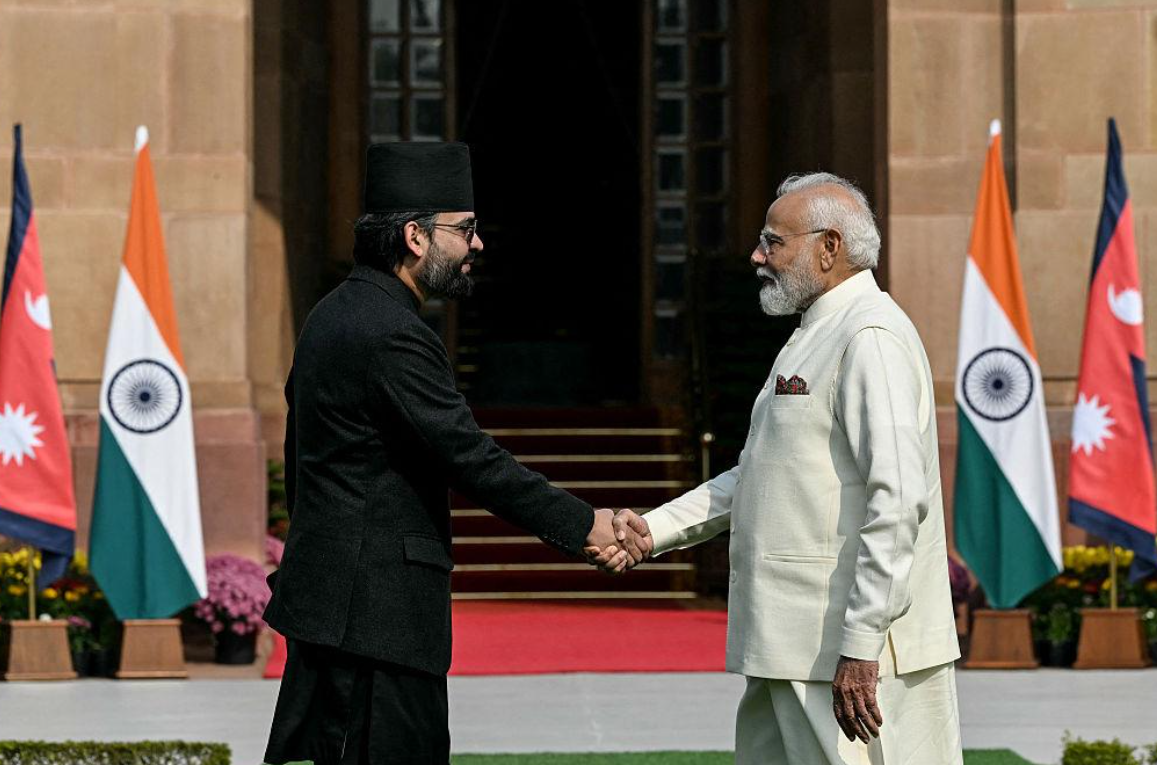
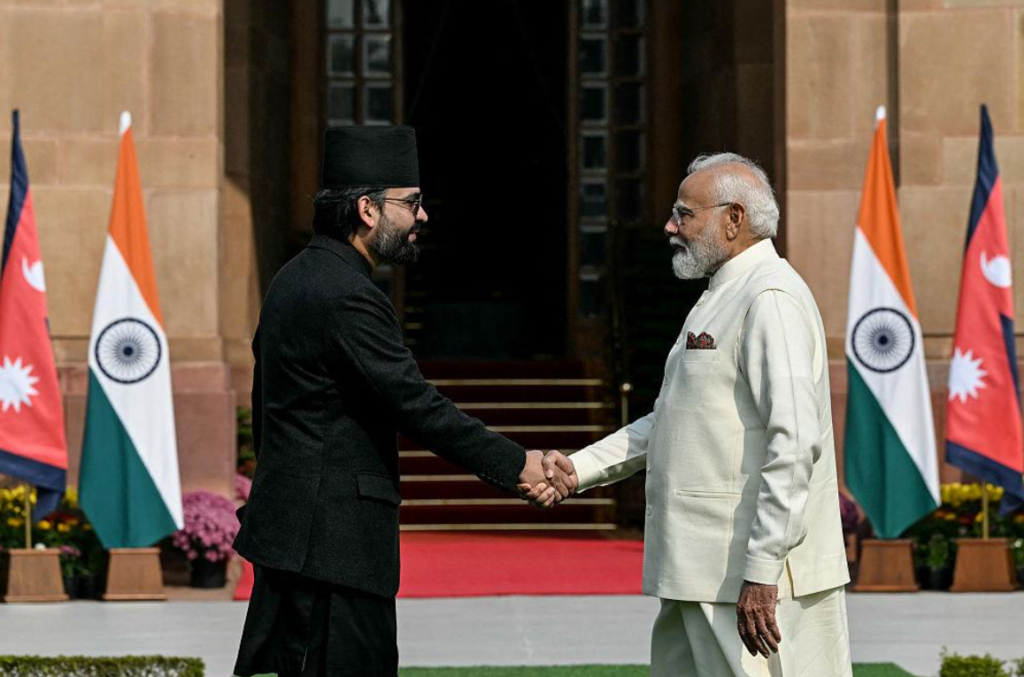
India and Nepal have taken an important step towards strengthening their bilateral relationship following a high-level meeting between Prime Minister Narendra Modi and Nepalese Prime Minister Balendra Shah in New Delhi on November 23, 2026.
During the visit, India announced a financial assistance package worth approximately $1.62 billion, equivalent to around ₹15,000 crore, through grants and concessional credit for Nepal’s reconstruction, infrastructure development and energy sector.
The announcement comes after devastating floods in Nepal in August 2026 damaged important infrastructure, including roads, bridges and communication facilities. Nepal faces a significant reconstruction challenge, with estimates suggesting that rebuilding could require approximately $5 billion.
Railway and Transport Connectivity
Improving cross-border transportation remains a key priority for both countries. The launch of the Sarayu-Kamala Express connecting Ayodhya and Janakpur is an important development for passenger movement and religious tourism.
Ayodhya and Janakpur hold immense religious significance for millions of devotees. Better railway connectivity between these destinations could encourage tourism, cultural exchange and easier travel.
The two governments also discussed cooperation in roads, bridges, fuel infrastructure and transit facilities.
Energy and Economic Cooperation
Nepal has considerable hydropower potential, while India represents an important market for electricity exports. Stronger energy cooperation could support Nepal’s economic development and improve regional energy security.
India’s support for access to ports in Gujarat and Odisha is also significant because Nepal is a landlocked country. Improved access to Indian ports could make international trade more efficient.
Strategic Importance
India’s latest assistance also carries wider geopolitical significance. China has expanded its economic and infrastructure presence in Nepal over recent years. India’s development assistance and emergency relief efforts represent an opportunity to strengthen mutual trust.
However, long-standing issues, including border disagreements and historical political differences, will require continued diplomatic engagement.
Conclusion
The latest India-Nepal initiatives represent an important opportunity to deepen economic cooperation, improve regional connectivity and strengthen people-to-people relations. Their long-term success will depend on effective implementation and sustained diplomatic engagement.