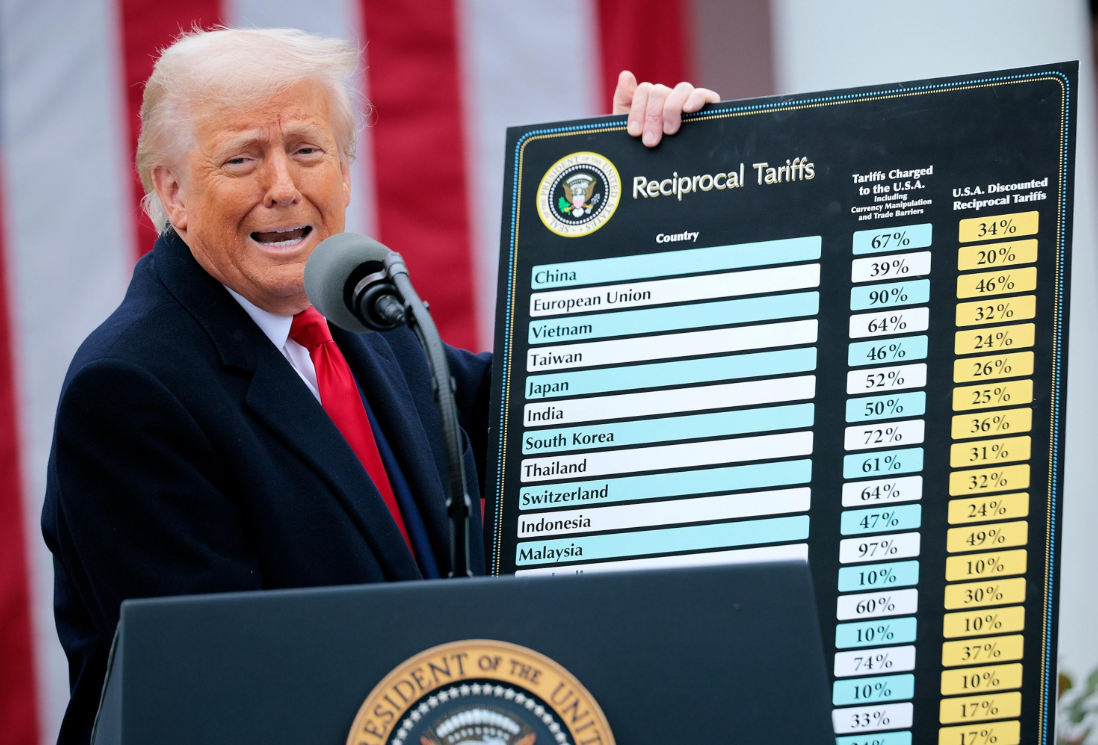
US Proposes New Tariffs on 14 Trading Partners
|
Getting your Trinity Audio player ready...
|
The United States has proposed a fresh round of trade tariffs targeting 14 major trading partners, raising concerns about global trade relations and the possibility of another period of economic uncertainty.
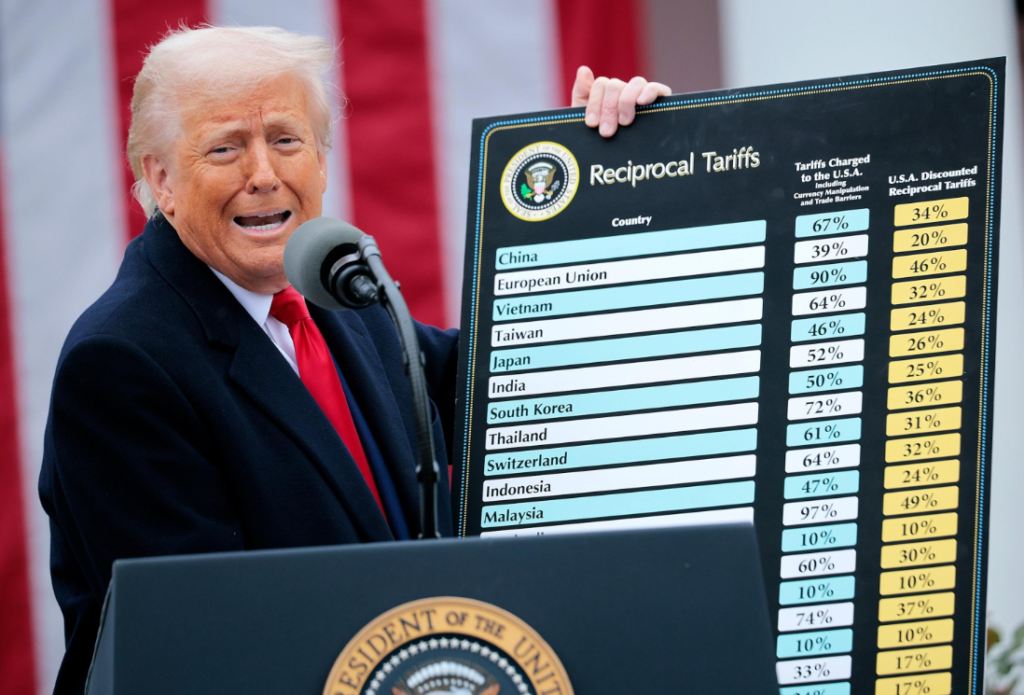
The proposal, announced by the US Trade Representative, is aimed at addressing what Washington describes as structural excess industrial capacity in several economies. The proposed measures could affect major manufacturing and export-driven countries, including China, India, Japan, South Korea, Taiwan and members of the European Union.
According to reports published on November 26, the proposed additional tariff rate for Chinese goods could reach 20%. Other countries could also face different rates depending on the US assessment of their industrial production and trade practices.
Why is the US considering these tariffs?
The US administration argues that excessive production capacity in certain countries can create unfair competition for American manufacturers. When countries produce more goods than their domestic markets can absorb, the surplus may be exported at competitive prices, putting pressure on industries in other economies.
Washington says the proposed tariffs are intended to address these concerns and protect domestic manufacturing.
However, the proposal is not yet a fully implemented trade measure. It is subject to a public comment process and further hearings, meaning the final rates and implementation timeline could change.
Impact on international trade
The announcement could affect global supply chains, manufacturing costs and international investment decisions. Businesses that depend on cross-border trade may need to reassess their sourcing and export strategies.
China is likely to remain at the centre of the debate because of its position as one of the world’s largest manufacturing and exporting economies.
For India, the proposal is also important because the country has strong trade relationships with the United States across pharmaceuticals, textiles, engineering goods, technology and other sectors.
If the proposed tariffs are implemented, Indian exporters in affected sectors could face additional cost and competitive pressure in the American market.
What happens next?
The US proposal will go through further review, including opportunities for affected countries and businesses to submit their views. The final decision could influence international trade relations heading into 2027.
The development highlights how trade policy is increasingly becoming an important part of global economic and geopolitical competition.