India and China Hold Military Talks in Arunachal Pradesh
|
Getting your Trinity Audio player ready...
|
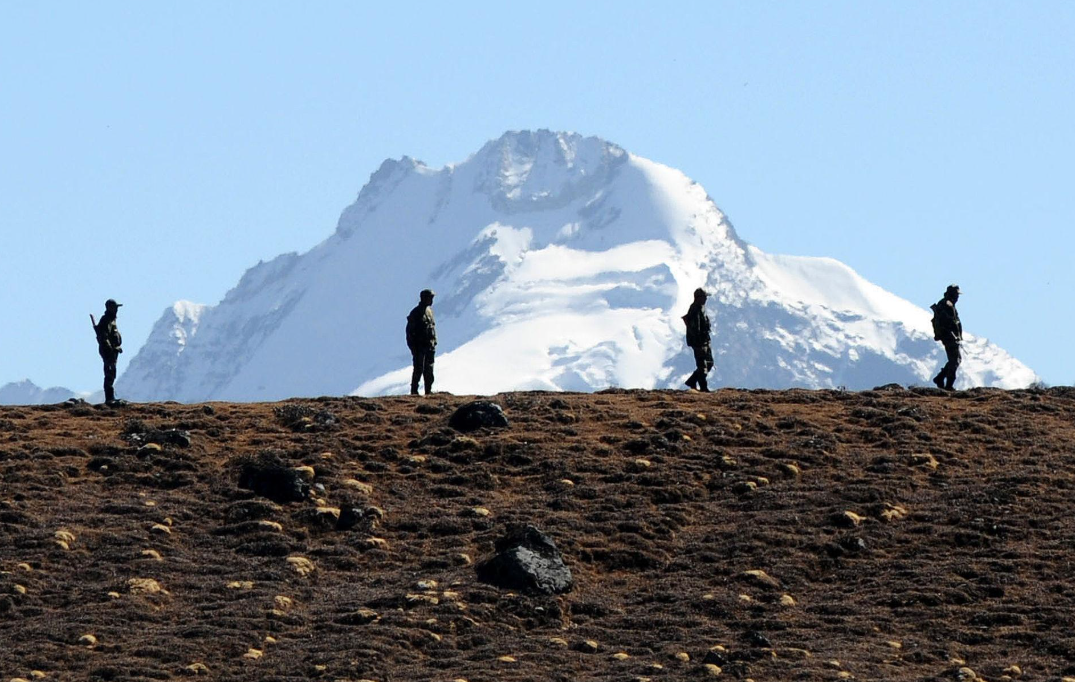
NEW DELHI, November 26, 2026: India and China have reportedly held military-level discussions concerning border management and maintaining peace along the Line of Actual Control (LAC) in the eastern sector.
The development is significant because the India-China border dispute remains one of the most sensitive strategic issues affecting relations between the two Asian neighbours.
What Is the Latest Development?
According to reports dated November 26, military officials from India and China held discussions concerning the border situation in the Arunachal Pradesh sector.
The reported focus included communication between military personnel, maintaining stability and avoiding misunderstandings along the disputed border.
Such discussions are part of broader efforts to prevent localised incidents from developing into larger military confrontations.
What Is the Line of Actual Control?
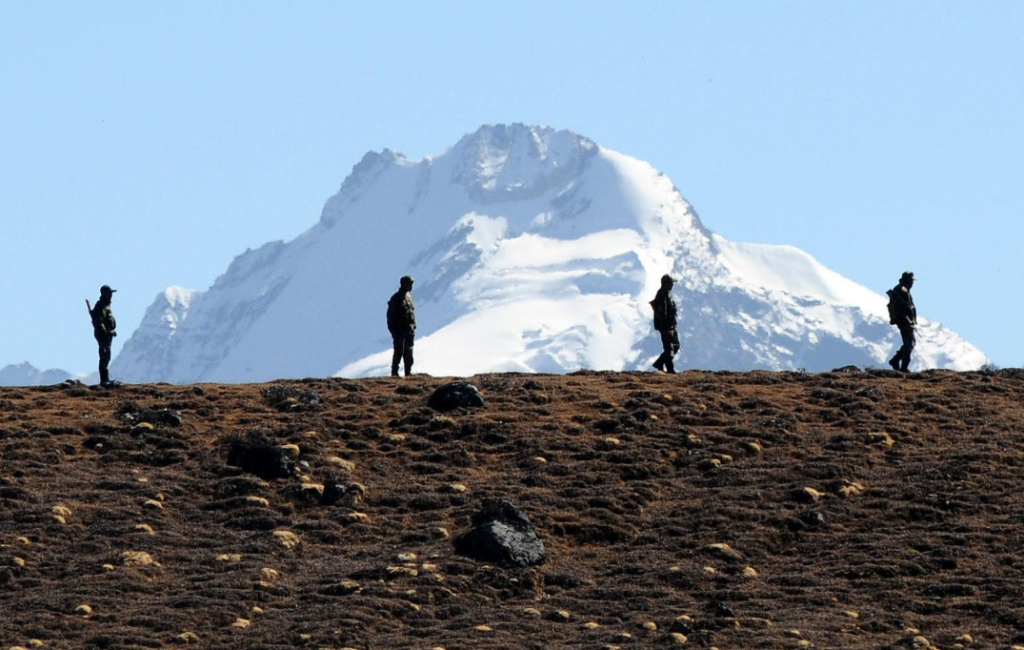
The Line of Actual Control, or LAC, is the de facto boundary separating territories controlled by India and China.
Unlike a mutually settled international boundary, the LAC is not uniformly defined and accepted by both countries.
Different perceptions of the alignment of the boundary have contributed to tensions in several areas.
The India-China border is generally divided into three sectors:
- Western Sector: Ladakh.
- Middle Sector: Himachal Pradesh and Uttarakhand.
- Eastern Sector: Sikkim and Arunachal Pradesh.
Arunachal Pradesh is particularly important because China has repeatedly made territorial claims in the region, while India maintains that the state is an integral part of its territory.
Why Is Arunachal Pradesh Strategically Important?
Arunachal Pradesh is located in India’s northeastern region and shares an international boundary with China.
Its geographical position makes it strategically important for national security and regional connectivity.
The region has challenging mountainous terrain, difficult weather conditions and several remote settlements.
As a result, road connectivity, bridges, infrastructure and military preparedness remain important priorities.
India has continued to develop infrastructure in the northeastern region to improve transportation and connectivity.
Why Are Military Talks Important?
Military discussions are important for several reasons.
1. Preventing Misunderstandings
Differences in perceptions of the border can sometimes create situations in which patrols from both countries encounter each other.
Communication can help prevent such incidents from escalating.
2. Maintaining Peace
Regular engagement between military officials can help address local concerns and maintain stability.
3. Improving Border Management
Discussions can focus on established communication mechanisms and procedures for handling unexpected situations.
4. Supporting Diplomatic Relations
Peace along the border creates a better environment for broader diplomatic and economic engagement.
Background: India-China Border Tensions
Relations between India and China experienced a major setback following the Galwan Valley clash in June 2020.
The incident resulted in casualties on both sides and triggered a prolonged period of military tension.
Since then, both countries have held several rounds of military and diplomatic discussions.
Disengagement arrangements, border management and restoring stability have remained central issues in these discussions.
What Could Be the Impact on India?
Border stability is important for India’s national security and regional development.
A peaceful border environment allows the government to focus on infrastructure, economic activities and development in border areas.
It also reduces the possibility of unexpected military escalation.
However, India must continue maintaining appropriate defence preparedness while pursuing diplomatic engagement.
Will These Talks Resolve the Border Dispute?
Military talks alone cannot permanently resolve the India-China border dispute.
The issue involves historical claims, geography, strategic interests and political considerations.
A lasting settlement would require broader diplomatic negotiations and mutual understanding.
Nevertheless, military-level communication can play an important role in preventing conflict and maintaining peace.
What Happens Next?
The next important developments will include continued communication between military officials, adherence to existing border-management arrangements and diplomatic engagement between the two governments.
Both countries have an interest in avoiding unnecessary confrontation while protecting their respective national interests.
Conclusion
The reported military talks in the Arunachal Pradesh sector underline the importance of dialogue in managing the India-China border situation.
Although such discussions do not resolve the larger territorial dispute, regular communication remains an important instrument for maintaining peace and stability.