
COP31 Climate Summit Faces Deadlock Over Fossil Fuels
|
Getting your Trinity Audio player ready...
|
Antalya, Türkiye
Date: 22 November 2026
Category: Climate Change | Environment | International Relations
What happened?
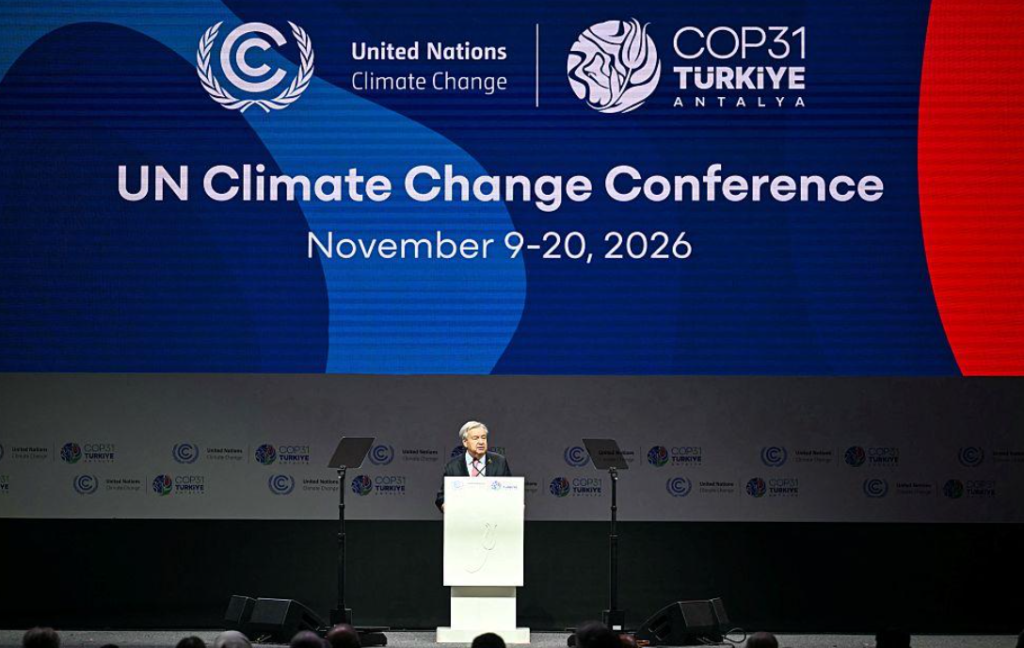
The United Nations Climate Change Conference, COP31, has entered an extended round of negotiations after participating countries failed to reach an agreement within the originally scheduled timeframe.
The biggest disagreement concerns the future of fossil fuels, including coal, oil and natural gas. Several countries are demanding stronger commitments to reduce dependence on fossil fuels, while oil-producing nations are resisting language that could impose a faster transition away from traditional energy sources.
According to reports from the summit, negotiations continued beyond the scheduled Friday conclusion and entered a second day of overtime. A fresh proposal was presented by conference president Murat Kurum in an effort to bridge the differences between participating countries.
Why are countries disagreeing?
Fossil fuels remain a major source of energy for many economies. Countries with large oil and gas industries are concerned that an aggressive transition could affect employment, government revenues, energy security and industrial growth.
On the other hand, climate-vulnerable countries argue that rising temperatures, extreme weather, floods, droughts and rising sea levels are already creating serious economic and humanitarian challenges.
Around 130 countries, including the European Union, the United Kingdom and several African nations, have pushed for clearer language reaffirming the transition away from fossil fuels.
The climate finance issue
Another major disagreement involves financial assistance for developing countries.
Developing nations want wealthier countries to provide stronger financial support to help them:
- Protect communities from floods and extreme weather.
- Develop renewable energy infrastructure.
- Improve climate-resilient agriculture.
- Strengthen disaster-management systems.
- Recover from climate-related damage.
An earlier draft had also triggered criticism after removing references to a proposed $120 billion adaptation-finance target.
Global impact
The outcome of COP31 could influence international climate policy, renewable-energy investment and future commitments on carbon emissions.
For developing economies such as India, the negotiations are particularly important because countries must balance economic development, affordable electricity and environmental protection.
What happens next?
Negotiators are working towards a compromise that can secure support from countries with very different economic and energy priorities. The final outcome will determine whether COP31 produces a meaningful agreement or ends with unresolved differences.
Conclusion: COP31 is not simply a climate conference. It is a major diplomatic test of whether the world’s developed and developing economies can agree on a common strategy for the future of energy.


