NEET-UG 2026 Paper Leak Case: Court Moves Towards Trial Against 14 Accused
|
Getting your Trinity Audio player ready...
|
New Delhi: The alleged NEET-UG 2026 paper leak has entered a significant judicial phase, with a Delhi fast-track court moving forward with the process of framing charges against 14 accused persons. According to reports published on November 19, the court has scheduled November 21 for the formal process of framing charges and indicated that the trial proceedings are expected to begin on November 25. The development has brought renewed attention to examination security, institutional accountability and the confidence of millions of students who depend on the National Eligibility-cum-Entrance Test for admission to medical courses in India.
NEET-UG is among the country’s largest and most consequential entrance examinations. It determines eligibility for admission to undergraduate medical programmes across India. For students, the examination represents years of preparation, financial investment and personal commitment. For families, it is often a major educational and economic decision. Consequently, allegations of a question-paper leak are not merely an administrative controversy. They raise wider questions about fairness, equal opportunity and the credibility of the national examination system.
The 2026 examination was conducted on May 3, with approximately 22 lakh candidates reported to have appeared. Allegations of a paper leak emerged after the examination, prompting scrutiny by investigative agencies and the examination authorities. The National Testing Agency subsequently cancelled the examination, and a re-test was conducted on June 21
The cancellation was a major decision because it affected candidates across the country. Students who had completed the examination and were waiting for results had to adjust to a fresh examination schedule. Those who travelled to other cities faced additional logistical and financial pressures. Coaching schedules, admission planning and the wider medical counselling calendar were also affected.
The present court proceedings are important because the case is moving beyond the initial investigation stage. The court’s decision to proceed with the framing of charges indicates that the judicial process is advancing. However, it is essential to distinguish between the framing of charges and a final finding of guilt. The accused are entitled to contest the allegations, challenge the evidence and present their defence. No individual should be described as guilty unless the court reaches such a conclusion through the legal process.
The allegations and the investigation
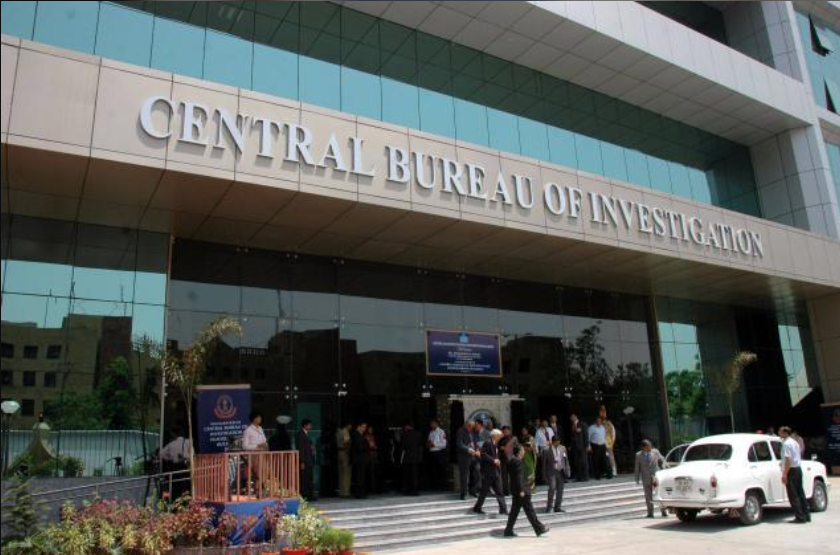
The investigation has reportedly examined whether confidential examination material was circulated before the examination and whether an organised network helped facilitate the alleged leak. Reports have referred to the possible involvement of candidates, intermediaries and individuals connected with examination-related work. Three NTA subject experts have also been mentioned in media coverage of the allegations. These are allegations under investigation and must not be treated as established findings of guilt.
In a case involving a national examination, investigators must establish the complete chain of events. It is not enough to identify a person who may have possessed confidential material. Investigators need to determine how the material was accessed, whether it was authentic, when it was circulated, who received it and whether any candidate obtained an unfair advantage.
The investigation may also need to examine digital communications, financial transactions, travel records, electronic devices and other documentary material. Each piece of evidence must be assessed in accordance with legal standards. The prosecution will have to establish its case before the court, while the defence will have the opportunity to challenge the reliability and interpretation of the evidence.
Why the case matters to medical aspirants
The consequences of an examination leak allegation extend far beyond the courtroom. NEET aspirants typically prepare over several years. Their preparation may involve school education, coaching classes, online learning platforms, mock examinations and extensive self-study. Many families make substantial financial sacrifices to support this preparation.
When the integrity of an examination is questioned, students who have followed the rules may feel that their efforts have been undermined. Even candidates who have performed well may face uncertainty about the validity of the examination process. Those who are preparing for another attempt may experience additional stress and financial pressure.
The cancellation of the May 3 examination and the subsequent re-test on June 21 also demonstrate how an examination controversy can affect the wider admission calendar. Medical admissions involve multiple stages, including results, counselling, seat allocation, document verification and reporting to institutions. Any disruption at the examination stage can create pressure across the entire system.
The responsibility of examination authorities
The controversy has once again placed examination security under scrutiny. A national-level examination requires a chain of safeguards covering question-paper preparation, printing, packaging, transportation, storage, distribution and delivery to examination centres.
Security cannot depend on a single measure. It requires coordinated controls, restricted access, reliable documentation and independent oversight. Authorities must be able to identify who accessed confidential material, when access occurred and whether any unusual activity was recorded.
A stronger examination-security framework could include periodic security audits, clear accountability for every stage of paper handling, secure transport arrangements, strict access controls and rapid investigation of credible complaints. Technology can support these systems, but it cannot replace sound administrative procedures and human accountability.
The role of examination authorities is also important after allegations emerge. Students need timely and transparent communication. Delays, unclear explanations and inconsistent information can deepen uncertainty. Authorities must explain the reasons for major decisions while ensuring that the investigation is not compromised.
What happens next?
The next important dates are November 21 and November 25. The first is associated with the formal process of framing charges, while the second is the reported date for the beginning of trial proceedings. The prosecution will need to present evidence supporting its allegations. The defence will be able to question the evidence and put forward its arguments.
The court will assess the material according to the applicable law. Witness testimony, documentary records, digital evidence and the investigation’s findings may all become relevant during the proceedings. The eventual outcome will depend on the evidence placed before the court, not on public speculation or media commentary.
The NEET-UG 2026 case is therefore significant for two reasons. First, it concerns allegations of serious wrongdoing in a national examination. Second, it tests the ability of the examination system and the justice process to respond transparently and fairly when the credibility of a major public examination is questioned.
For students, the most important outcome should be a system in which every candidate competes on equal terms. For institutions, the case should encourage a serious review of examination safeguards. For the public, the judicial process must provide clarity while protecting the legal rights of every accused person.
Conclusion: The NEET-UG 2026 paper leak case is moving towards trial, with proceedings expected to begin from November 25. The coming hearings will be important in determining how the allegations are tested in court. Equally important will be the lessons drawn by examination authorities to strengthen security and restore confidence among medical aspirants.