Can the World’s Most Important Oil Route Reopen?
|
Getting your Trinity Audio player ready...
|
Date: November 1, 2026
Donald Trump, Iran Tensions and the Strait of Hormuz Crisis:
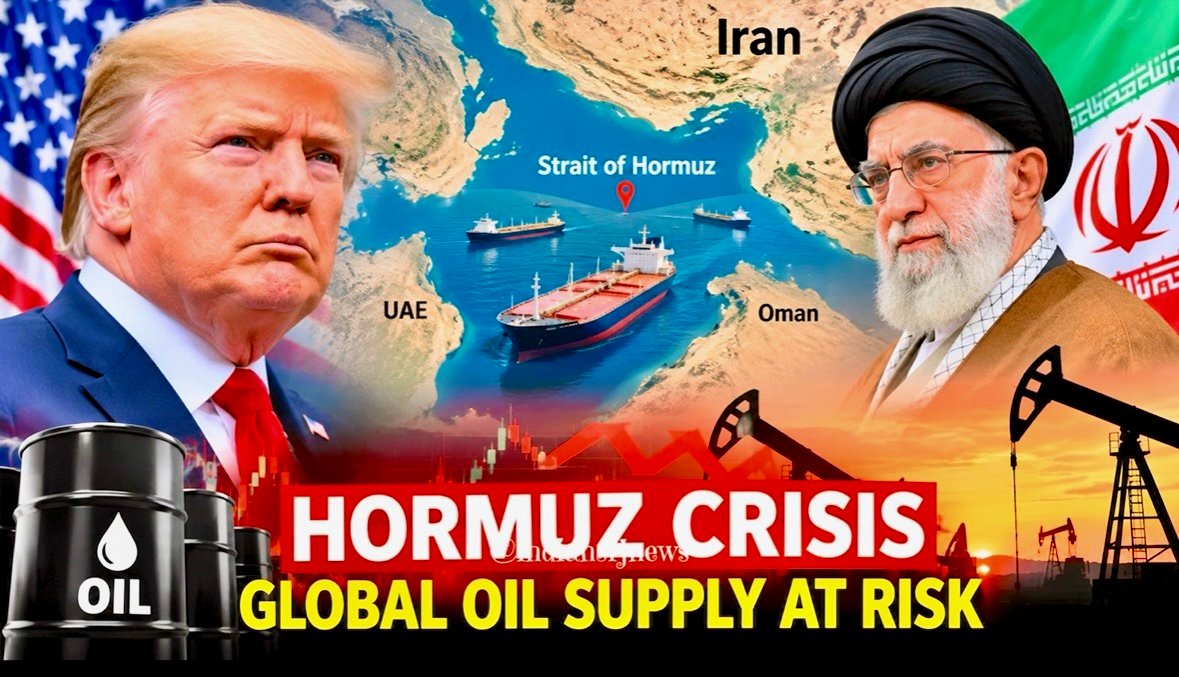
The escalating conflict between the United States and Iran has placed one of the world’s most strategically important maritime routes, the Strait of Hormuz, at the centre of international attention. The ongoing tensions are creating uncertainty for global energy markets, international shipping and the economic stability of several countries.
US President Donald Trump is facing a difficult diplomatic and military situation as Washington considers its next steps towards Tehran. Meanwhile, Iran is negotiating with regional mediators over a possible arrangement to reopen the Strait of Hormuz, a vital passage for international oil and gas transportation.
What Is the Strait of Hormuz and Why Is It So Important?
The Strait of Hormuz is a narrow waterway connecting the Persian Gulf with the Gulf of Oman and the Arabian Sea. It lies between Iran to the north and Oman and the United Arab Emirates to the south.
It is one of the world’s most important energy transportation routes. Before the current conflict, this strategic waterway carried about one-fifth of global oil and liquefied natural gas trade.
Major oil-producing countries, including Saudi Arabia, Iraq, Kuwait, Qatar and the United Arab Emirates, depend on the wider Gulf shipping network to transport energy supplies to international markets.
Any major disruption to shipping through this passage can affect global oil availability, transportation costs and fuel prices.
Donald Trump’s Position: Military Pressure or Diplomatic Solution?
US President Donald Trump is facing increasing pressure to find a solution to the conflict with Iran.
On October 31, US Secretary of State Marco Rubio said that Trump had not yet made a final decision on whether to resume military strikes against Iran. He also indicated that the US administration preferred a diplomatic solution, although military options remained available.
Trump has previously claimed that American military operations have significantly weakened Iran’s military capabilities. He has also suggested that additional action against remaining Iranian nuclear facilities could be carried out quickly.
However, the possibility of renewed military action remains a major concern for countries across the Middle East.
Iran’s Proposal to Reopen the Strait of Hormuz
A significant diplomatic development emerged on November 1, when Iranian Foreign Minister Abbas Araghchi said that discussions with Qatari mediators were underway regarding a possible plan to reopen the Strait of Hormuz within two days, provided the United States meets Tehran’s conditions.
Iranian officials have also indicated that Washington’s recent diplomatic communication could represent a positive development.
However, the proposal does not mean that the waterway has officially reopened. Its implementation depends on negotiations and agreement between the concerned parties.
Why Is the Strait of Hormuz Still Facing Disruptions?
The conflict has created serious security concerns for commercial shipping companies.
Reports published in recent days have highlighted attacks and suspected mine-related incidents involving commercial vessels in and around the Strait of Hormuz.
According to reports on October 31, shipping attacks during October reached their highest level since the beginning of the conflict.
Meanwhile, US Central Command has said that American forces redirected 144 commercial vessels as part of the ongoing naval blockade against Iranian ports.
These developments have increased uncertainty for shipping operators, energy companies and international traders.
How Could the Crisis Affect Global Oil Prices?
The Strait of Hormuz is a critical route for international energy supplies. Any prolonged disruption could create pressure on crude oil prices.
If fewer tankers can safely transport oil through the waterway, international markets may face supply concerns. Higher shipping insurance premiums, longer alternative routes and increased transportation expenses could also contribute to rising energy costs.
Oil price movements depend on several factors, including actual supply, demand, diplomatic developments and market expectations. Therefore, a reopening agreement could ease concerns, but it would not automatically guarantee an immediate reduction in global fuel prices.
What Does This Mean for India?
India is among the major importers of crude oil and remains exposed to fluctuations in international energy markets.
A prolonged disruption in the Strait of Hormuz could affect India through several channels:
- Crude Oil Prices: Higher international oil prices could increase India’s crude import expenditure.
- Petrol and Diesel: Sustained increases in crude prices could put pressure on domestic fuel pricing.
- Inflation: Higher energy and transportation costs could increase the prices of essential goods.
- LPG and Energy Supplies: Disruptions to Gulf energy shipments could create additional concerns for India’s energy supply chain.
- Trade and Shipping: Higher freight and insurance costs could affect businesses involved in international trade.
India’s actual exposure will depend on the duration of the disruption, alternative supply arrangements, international prices and government policy decisions.
What Happens Next?
The coming days could prove important for the future of the Middle East conflict.
The key developments to watch include:
- Whether the United States accepts Iran’s conditions for reopening the Strait of Hormuz.
- Whether Qatar can successfully facilitate an agreement between Washington and Tehran.
- Whether Donald Trump decides to continue diplomatic negotiations or resume military action.
- Whether commercial shipping traffic returns to normal.
- Whether international crude oil prices stabilise.
Conclusion
The Strait of Hormuz is far more than a regional maritime passage. It is a critical artery of the global energy economy.
The ongoing confrontation involving Donald Trump, Iran and regional powers demonstrates how a conflict in one strategically important region can create economic consequences across the world.
For India and other energy-importing nations, the reopening of the Strait of Hormuz is particularly important. The success or failure of diplomatic negotiations could influence global energy markets, international trade and economic stability in the coming weeks.
The world is now watching whether diplomacy can reopen one of the most important energy routes on the planet.
Disclaimer: This article is prepared for informational and educational purposes only. It is based on publicly available information and reports as of November 1, 2026. Diplomatic negotiations and geopolitical developments are ongoing