Delimitation 2026: Cabinet Approves 50% Increase
|
Getting your Trinity Audio player ready...
|
New Delhi, November 27, 2026: India could be heading towards one of the biggest changes in its parliamentary representation system, following the Union Cabinet’s approval of a revised proposal linked to delimitation and women’s reservation.
The Cabinet has cleared a proposal for a uniform 50% increase in Lok Sabha seats across states, while maintaining the existing relative share of parliamentary representation among states until 2051.
The proposal is also linked to the implementation of 33% reservation for women in the Lok Sabha and state legislative assemblies.
The government is expected to bring the revised legislative package before Parliament during its special sitting beginning November 30.
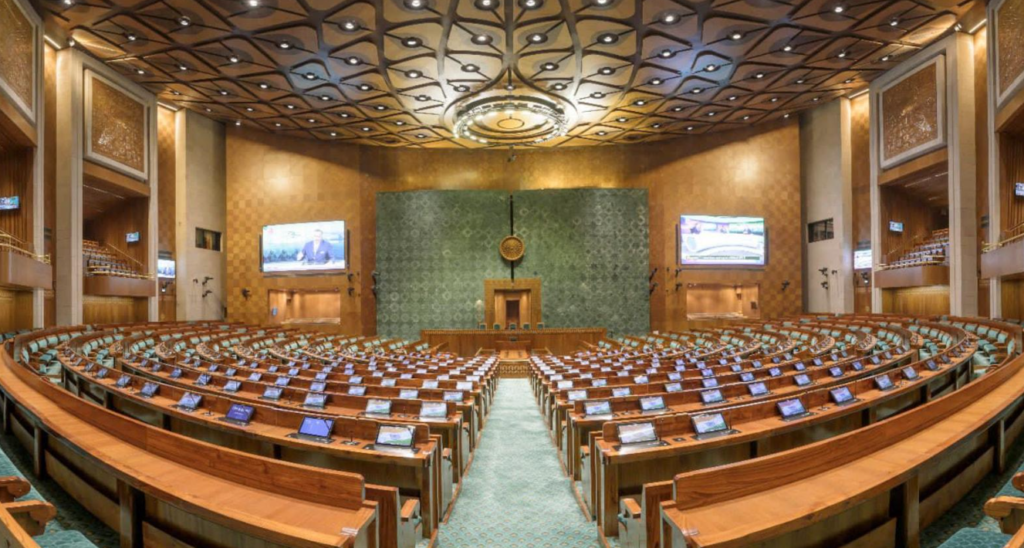
What is delimitation?
Delimitation is the process of redrawing the boundaries of electoral constituencies and determining the allocation of seats in legislative bodies.
Its primary objective is to ensure fair representation of citizens based on population distribution.
For example, if one constituency has a significantly larger population than another, delimitation can be used to reorganise constituency boundaries to create a more balanced electoral system.
In India, delimitation is constitutionally connected with Articles 81, 82 and 170.
- Article 81 deals with the composition and allocation of Lok Sabha seats.
- Article 82 concerns readjustment following a Census.
- Article 170 concerns the composition and readjustment of state legislative assemblies.
Why is the government proposing a 50% increase?
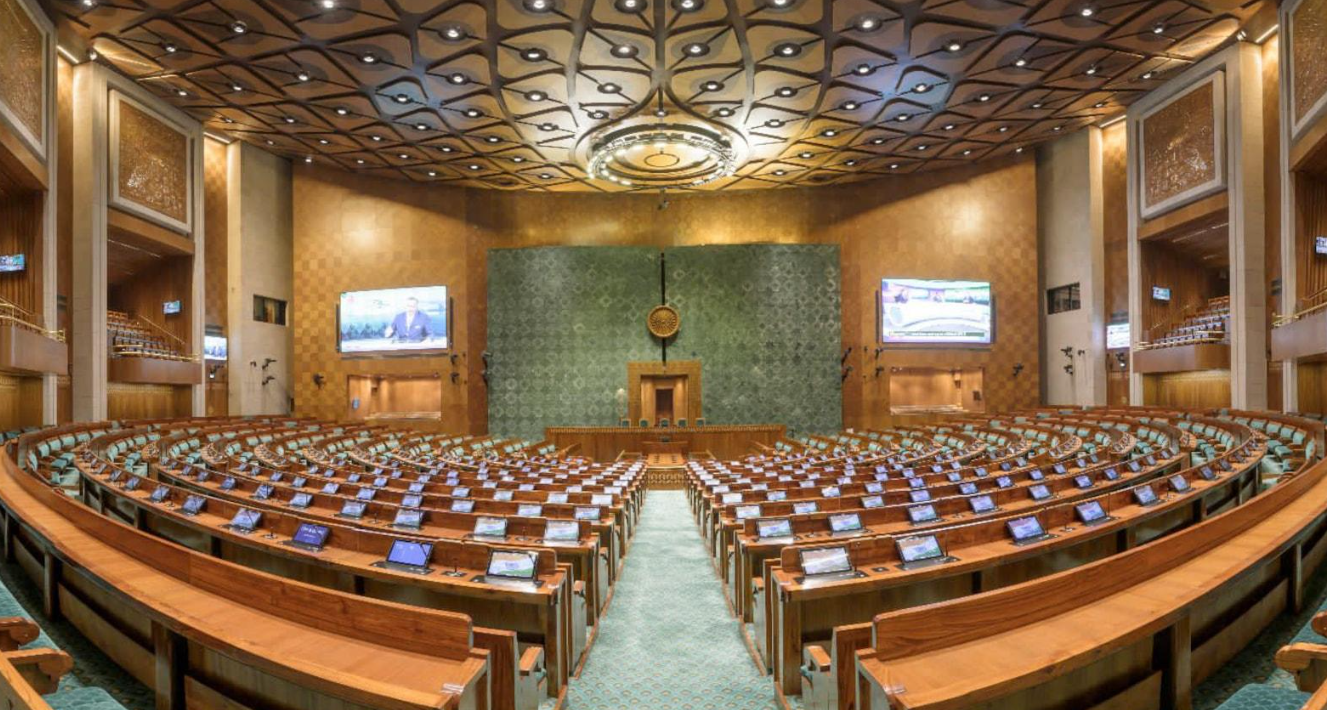
The Lok Sabha currently has 543 elected seats.
Under the proposed formula, a uniform 50% increase could take the number of elected seats to approximately 815. Reports have also referred to a proposed maximum strength of 850.
The government says the revised approach seeks to address regional representation concerns while allowing Parliament to accommodate more representatives.
Why are southern states concerned?
Southern states have historically raised concerns about population-based delimitation.
States such as Tamil Nadu, Kerala and Andhra Pradesh have argued that states which successfully controlled population growth should not lose their relative political representation.
Meanwhile, northern states such as Uttar Pradesh and Bihar have experienced substantial population growth.
The revised proposal seeks to protect the existing relative share of each state until 2051 while increasing the number of seats.
Tamil Nadu Chief Minister M.K. Stalin has specifically called for protection of the state’s existing approximately 7.18% share in the Lok Sabha
What could happen to Uttar Pradesh?
Uttar Pradesh currently has 80 Lok Sabha seats.
A 50% increase would mathematically take the number to approximately 120.
Similarly, Bihar could move from 40 to approximately 60 seats, while Maharashtra could move from 48 to approximately 72.
These are illustrative calculations, not final allocations.
Will Assembly seats also increase?
The proposal is broader than just the Lok Sabha.
Reports indicate that the government’s plan also includes expansion of state legislative assemblies by 50%.
For example:
| State | Current Assembly seats | Illustrative 50% increase |
|---|---|---|
| Uttar Pradesh | 403 | 605 |
| Bihar | 243 | 365 |
| Maharashtra | 288 | 432 |
The final numbers will depend on the amended legislation and the delimitation process.
What happens to the Rajya Sabha?
The Rajya Sabha is India’s Upper House and has a different constitutional structure.
Its members are primarily elected by state legislative assemblies through proportional representation.
The proposed 50% increase in Lok Sabha seats does not automatically increase Rajya Sabha membership by 50%.
Any change to Rajya Sabha membership would require separate constitutional and legislative provisions.
How is women’s reservation connected?
The Nari Shakti Vandan Adhiniyam, passed in 2023 through the 106th Constitutional Amendment, provides for 33% reservation for women in the Lok Sabha and state legislative assemblies.
However, its implementation was linked to the completion of a Census and subsequent delimitation.
The government now wants to accelerate the process, with a reported target of implementing women’s reservation before the 2029 Lok Sabha elections.
For example, if the Lok Sabha eventually has approximately 816 seats, one-third reservation would translate to roughly 272 seats for women.
This is an illustration; the final reserved-seat count will depend on the applicable legal provisions.
How will the Bill become law?
The constitutional amendment must pass through several stages:
- Cabinet approval — completed on November 27.
- Introduction and debate in the Lok Sabha.
- A special majority in the Lok Sabha.
- A special majority in the Rajya Sabha.
- Ratification by at least half of the state legislatures wherever constitutionally required.
- Presidential assent.
- Implementation through the relevant delimitation machinery.
A constitutional amendment requires more than a simple majority. It must secure a majority of the total membership of each House and at least two-thirds of members present and voting.
What happens next?
The special parliamentary sitting is scheduled to begin on November 30, with the Rajya Sabha reconvening on December 2.
The revised proposal is expected to face political scrutiny, particularly over the constitutional formula, state representation and the relationship between delimitation and women’s reservation.
Conclusion: The proposed 50% increase could reshape India’s parliamentary and state-level political landscape. However, Cabinet approval is only the beginning. The proposal must clear the required parliamentary and constitutional procedures before it can become law