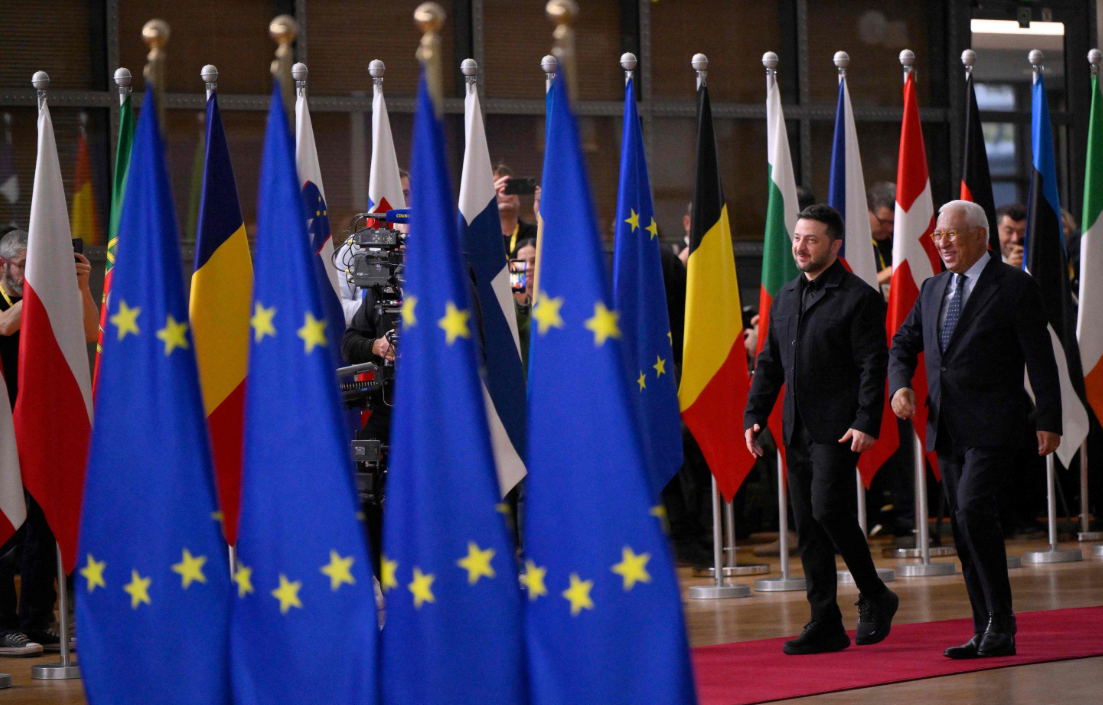
European Leaders Face Major Challenge Over Ukraine
|
Getting your Trinity Audio player ready...
|
European Union leaders are facing difficult decisions over Ukraine’s future financial support and the bloc’s long-term budget as discussions take place in Brussels on November 26 and 27.
The discussions come at a critical time for Europe, as the Russia-Ukraine war continues to place pressure on regional security, government spending and diplomatic relations.
One of the major issues facing European leaders is how to ensure that Ukraine receives sufficient financial assistance from 2027 onwards while also managing competing financial priorities within the European Union.
Why is Ukraine seeking additional financial support?
Ukraine has been facing enormous financial and economic pressure since Russia launched its full-scale invasion in February 2022.
The war has damaged infrastructure, disrupted industrial activity, affected exports and increased government spending on defence and essential public services.
Financial assistance from international partners has therefore become an important part of Ukraine’s ability to maintain government operations, support its population and continue defending its territory.
European countries have played a major role in providing financial, humanitarian and military assistance.
The proposed €45 billion funding package
One of the important subjects in the European discussions is a proposed €45 billion financial package for Ukraine in 2027.
However, the proposal is connected to wider disagreements about the EU’s long-term budget and how financial resources should be distributed among member states.
European governments are also debating the possible use of frozen Russian assets to support Ukraine.
The issue is politically and legally complicated because member states have different views about the risks, legal mechanisms and long-term consequences of using those assets.
Why are EU countries divided?
Not all European governments have the same priorities regarding Ukraine funding.
Some countries argue that continued financial assistance is essential for European security and for preventing further Russian aggression.
Others are concerned about the financial burden on their national budgets and the long-term sustainability of additional spending.
The debate also involves the EU’s wider financial priorities, including agriculture, infrastructure, defence, economic development and regional assistance.
What could happen next?
European leaders are expected to continue negotiations in an effort to narrow their differences and develop a funding framework for Ukraine.
A final agreement is important not only for Kyiv but also for Europe’s broader security strategy.
The outcome could influence the EU’s relationship with Ukraine, its approach towards Russia and the future direction of European defence cooperation.
Why does this matter globally?
The Ukraine funding debate is about more than financial assistance. It reflects Europe’s attempt to balance economic stability, military security and political unity during a prolonged international conflict.
The decisions made in Brussels could have consequences for international diplomacy and the future of European security.