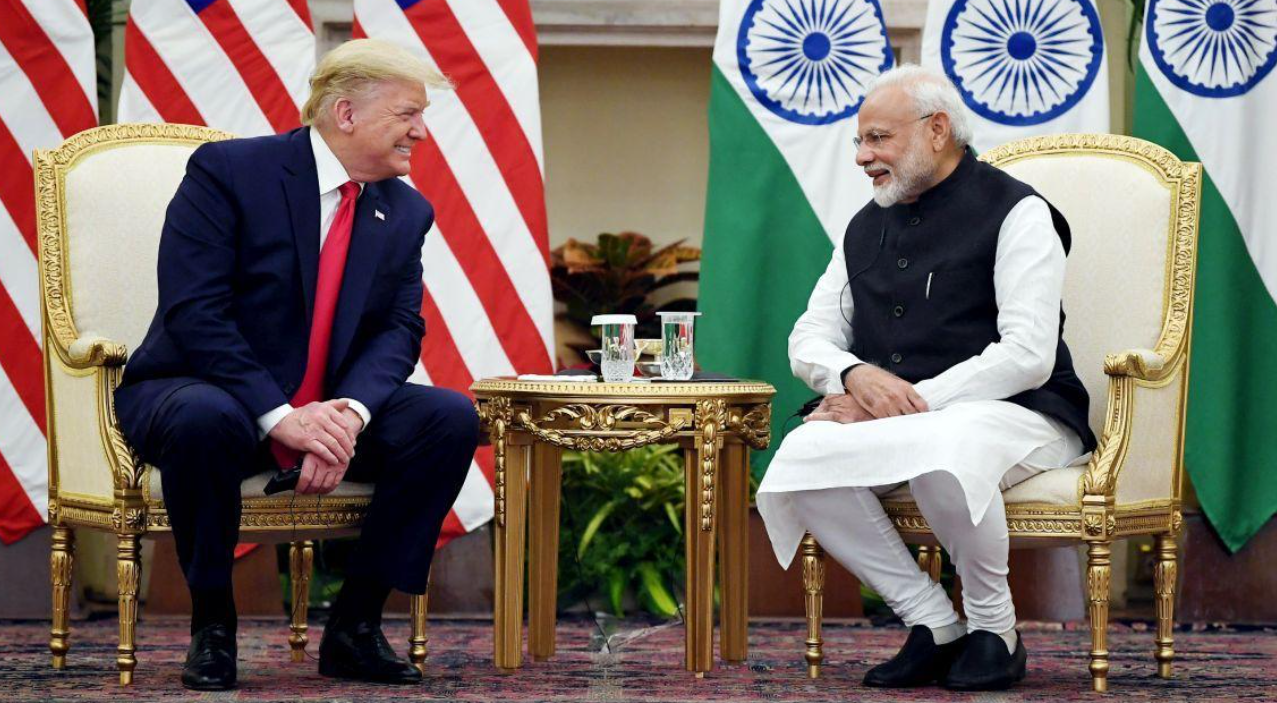
US Proposes 25% Tariff on Indian Goods Trade Deal
|
Getting your Trinity Audio player ready...
|
NEW DELHI, November 26, 2026: Trade relations between India and the United States have come into focus following reports of a proposed 25% tariff on Indian products. The rate could potentially fall to approximately 17% if the two countries reach an acceptable trade agreement.
The development is important for Indian exporters, manufacturers, and businesses that depend on access to the American market.
Understanding the Proposed Tariff
A tariff is a tax imposed on imported goods. When a country increases import duties, foreign products can become more expensive for buyers in that market.
For India, the United States is an important export destination. Indian companies supply several categories of products to American consumers and businesses.
These include:
- Textiles and garments.
- Engineering products.
- Gems and jewellery.
- Chemicals.
- Pharmaceuticals.
- Industrial machinery and components.
An increase in import duties could affect the competitiveness of these products.
Why Is the United States Considering Higher Tariffs?
Trade tariffs are frequently used by governments as instruments of economic and trade policy.
The United States has emphasised protecting domestic industries, encouraging local manufacturing and reviewing trade arrangements with major trading partners.
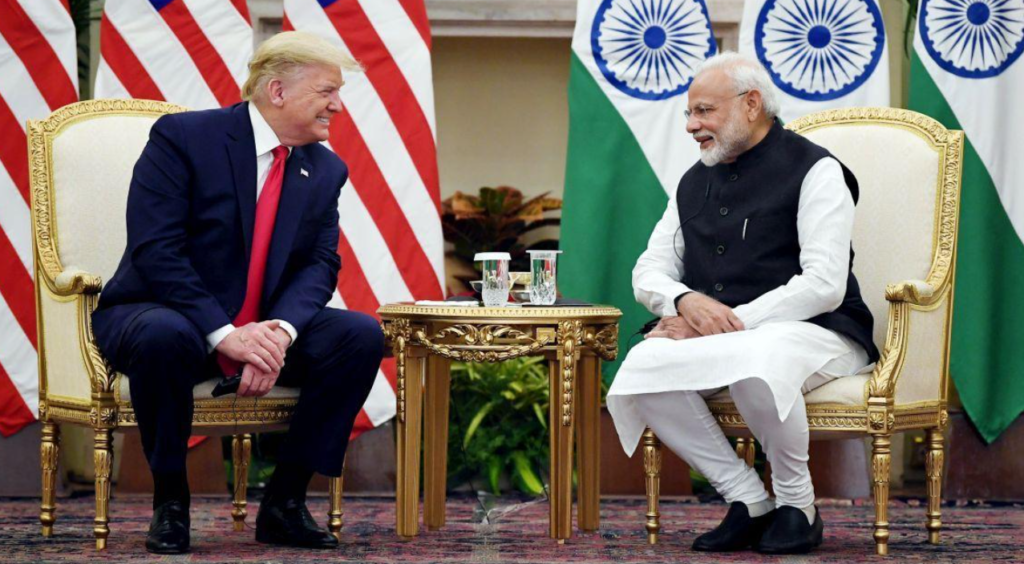
The proposed tariff arrangement is part of the broader discussion between Washington and New Delhi over trade terms and market access.
However, the reported 25% proposal and possible 17% rate should not be treated as a final implemented agreement without confirmation of the relevant official notification.
Impact on Indian Exporters
1. Textile Industry
India’s textile and garment sector is a major source of employment. Higher import duties could make Indian products more expensive for American buyers.
Exporters may have to reconsider pricing strategies and explore additional international markets.
2. Engineering Sector
Engineering goods form an important part of India’s merchandise exports.
Companies producing machinery, industrial equipment and automotive components could face additional cost pressures if tariffs increase.
3. Gems and Jewellery
India has an established jewellery manufacturing and export industry. Changes in import duties could influence purchasing decisions and order volumes.
4. Small and Medium Enterprises
Small businesses often operate with limited financial resources. Higher export costs could affect their profit margins and ability to compete internationally.
Could a Trade Agreement Change the Situation?
A bilateral trade agreement could provide greater clarity and predictability for businesses in both countries.
Important areas of negotiation may include:
- Reduction of import duties.
- Improved access to markets.
- Agricultural trade.
- Industrial products.
- Regulatory requirements.
- Investment and technology cooperation.
A reduction in tariffs could benefit exporters by improving price competitiveness.
However, the final outcome will depend on the actual terms accepted by both governments.
What Could Be the Impact on India’s Economy?
The immediate impact on Indian consumers may be limited. However, a prolonged increase in export costs could affect manufacturing, employment and investment.
Companies that depend heavily on American customers may need to diversify their export destinations.
Markets in Europe, Southeast Asia, West Asia and other regions could become increasingly important.
India’s Trade Strategy
India has been working to strengthen economic partnerships with several countries and regions.
Diversifying export markets is important because excessive dependence on one destination can expose businesses to sudden changes in tariffs and trade policies.
A balanced approach that protects domestic industries while maintaining international trade relationships will remain important.
Conclusion
The proposed US tariff arrangement is an important development for India’s international trade. A potential reduction from 25% to 17% could improve market conditions for Indian exporters, but the final outcome will depend on negotiations and official announcements.