International Court of Justice Rules Myanmar
|
Getting your Trinity Audio player ready...
|
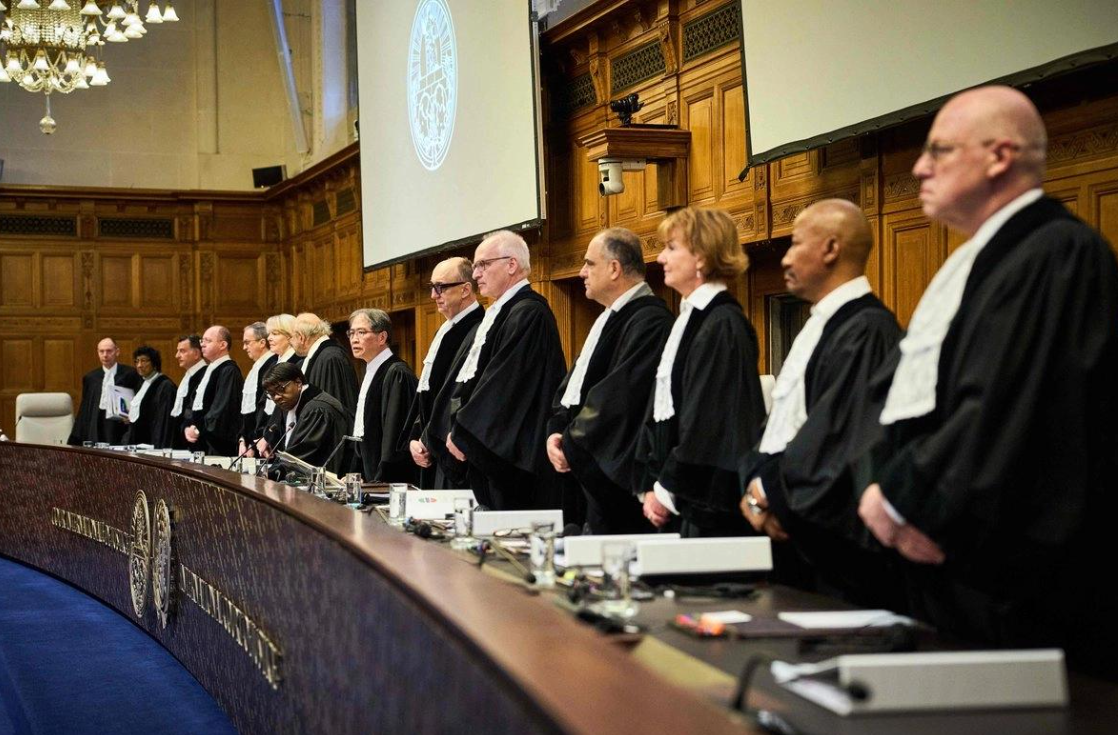
The International Court of Justice (ICJ) has delivered a landmark judgment against Myanmar, ruling that the country committed genocide against its Rohingya Muslim minority during the military crackdown that began in 2017.
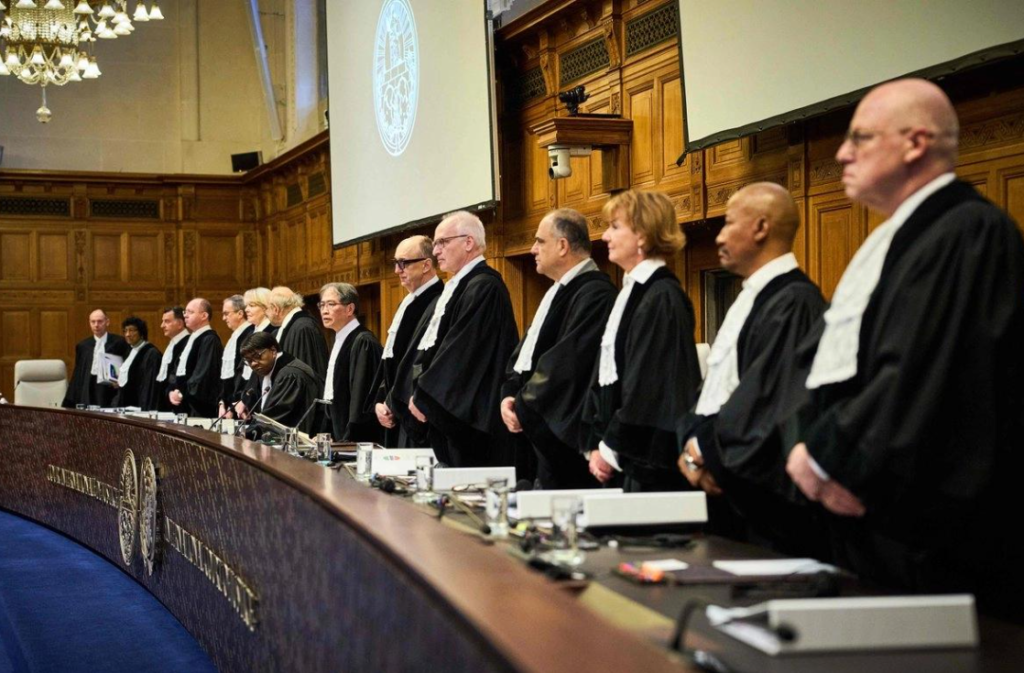
The decision marks a historic moment in international law because it is the first time the ICJ has ruled that a state is responsible for committing genocide. The judgment was delivered in The Hague, Netherlands, following years of legal proceedings initiated by The Gambia.
The court ruled by a majority of nine judges to six that Myanmar’s security forces acted with genocidal intent during the military operations against the Rohingya population.
The judgment has significant implications for survivors, displaced families and the international community, particularly because millions of people have been affected by the long-running humanitarian crisis.
Background of the Rohingya Crisis
The Rohingya are a predominantly Muslim ethnic minority from Myanmar’s Rakhine State. For decades, they have faced discrimination, restrictions on citizenship, limited access to education and healthcare, and repeated episodes of violence.
The situation escalated dramatically in August 2017, when Myanmar’s military launched operations following attacks on security posts by Rohingya militants.
The subsequent military campaign involved widespread killings, sexual violence, destruction of villages and forced displacement.
Thousands of Rohingya were killed, while hundreds of thousands fled across the border into neighbouring Bangladesh.
The refugee population eventually expanded significantly, with Cox’s Bazar becoming one of the world’s largest refugee settlements.
The crisis attracted international condemnation, with human rights organisations and governments demanding accountability for alleged atrocities.
The Gambia’s Legal Action Against Myanmar
In November 2019, The Gambia filed a case against Myanmar at the International Court of Justice, arguing that the country’s actions violated the 1948 Genocide Convention.
Although The Gambia is geographically distant from Myanmar, it argued that every country party to the Genocide Convention has an interest in preventing and punishing genocide.
The ICJ accepted its standing to bring the case.
The proceedings involved extensive legal arguments, documentary evidence and examination of the circumstances surrounding the military operations.
The final judgment represents the conclusion of a legal process that lasted several years.
What Did the Court Decide?
The court found that the evidence supported the conclusion that Myanmar’s security forces had acted with genocidal intent.
The judgment addressed several forms of violence and persecution, including killings, sexual violence, destruction of villages and the forced displacement of Rohingya communities.
According to the judgment as reported by The Guardian, more than 10,000 Rohingya were killed, including children.
Approximately 1.2 million Rohingya remain displaced, many of them living in Bangladesh.
The court also ordered Myanmar to provide reparations and restitution, including measures relating to safe return, restoration or replacement of property, and physical and psychological rehabilitation.
Why Is This Verdict Important for International Law?
The ruling is significant because international legal responsibility for genocide is not limited to individual military commanders or political leaders.
The judgment establishes that a state can be held responsible for genocide under the Genocide Convention.
It may also influence how future international cases involving allegations of genocide are argued and examined.
Although ICJ judgments do not automatically establish binding legal precedents for unrelated cases, the reasoning can carry substantial persuasive weight in future proceedings.
The decision is also important for displaced Rohingya communities, who have spent years seeking justice and recognition of the suffering they experienced.
What Happens Next?
Myanmar now faces significant international pressure to implement the court’s findings and comply with its obligations.
However, translating a legal judgment into practical improvements may be difficult.
The safe return of refugees will require security guarantees, protection of property rights, access to citizenship and the restoration of essential public services.
The international community will also need to monitor whether the affected communities receive meaningful compensation and rehabilitation.
Conclusion
The ICJ ruling represents a major development in the international fight against genocide and mass atrocities. For the Rohingya community, it provides long-awaited international recognition of the crimes committed against them.
However, the real test will be whether the judgment leads to accountability, safe repatriation and lasting protection for the displaced population.