Supreme Court Upholds Karnataka High Court Decision
|
Getting your Trinity Audio player ready...
|
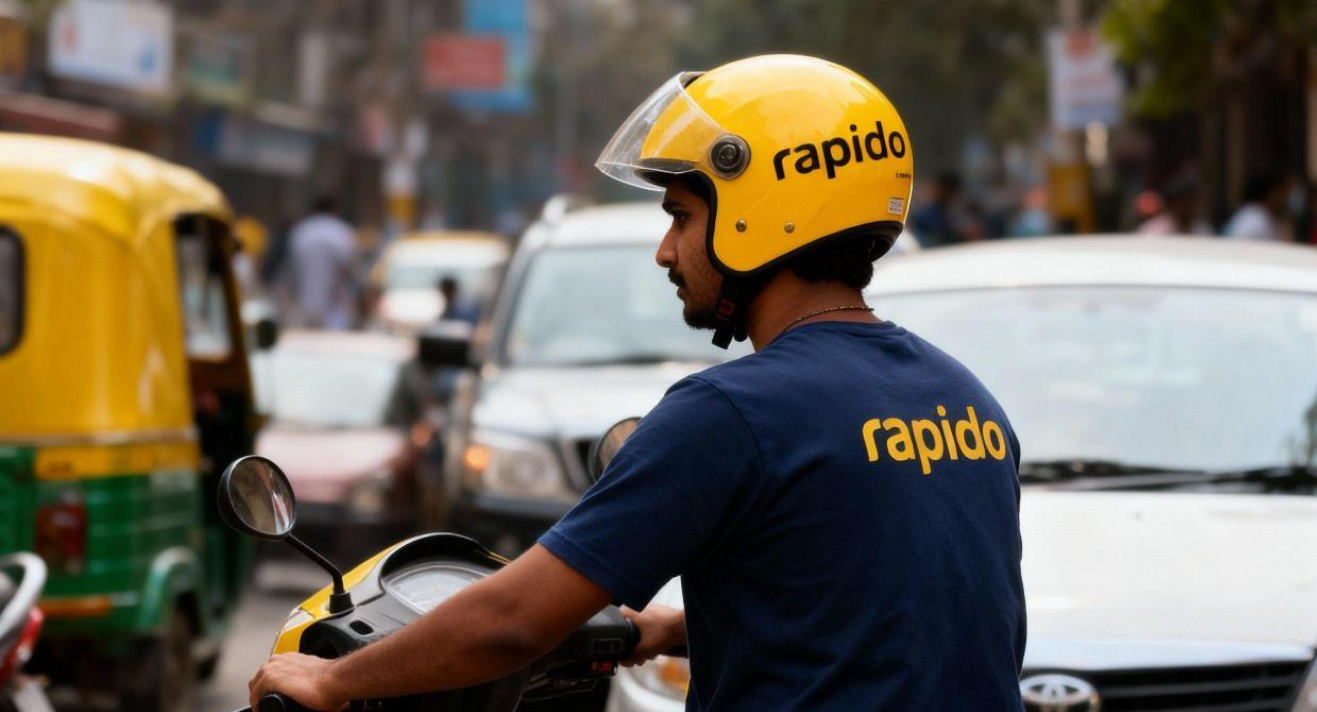
India’s urban mobility sector has witnessed an important legal development after the Supreme Court dismissed the Karnataka government’s appeal challenging the High Court’s decision permitting bike taxi operations.
The decision, delivered on November 20, 2026, allows the legal framework established by the Karnataka High Court to remain in place.
The case is particularly significant for bike taxi aggregators such as Rapido, Uber Moto and other operators.
Background of the Case
The dispute arose from restrictions imposed by the Karnataka government on motorcycle-based taxi services.
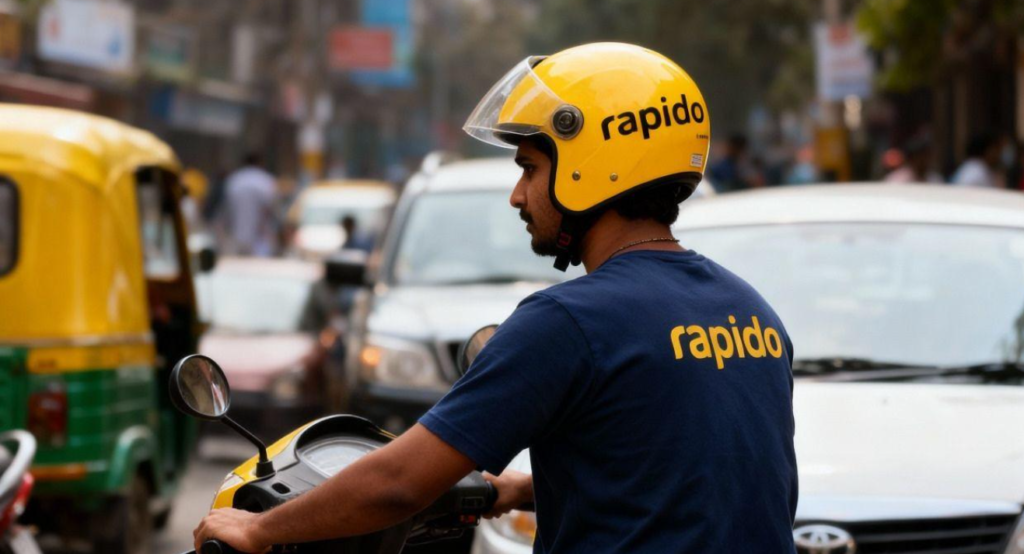
Bike taxi operators and other stakeholders challenged the restrictions.
On January 23, 2026, the Karnataka High Court set aside the restrictions and directed authorities to consider applications for registering motorcycles as transport vehicles and issuing the necessary permits.
The state government subsequently approached the Supreme Court.
On November 20, the Supreme Court dismissed the appeal and upheld the High Court’s ruling.
Affordability and Accessibility
During the proceedings, the Supreme Court discussed the affordability and accessibility of bike taxi services.
Motorcycle-based transport can offer an alternative for commuters who find conventional cab services expensive, particularly for short-distance journeys.
Digital booking and GPS tracking may also improve convenience and operational transparency.
Impact on Aggregators
The ruling provides greater legal clarity for bike taxi operators in Karnataka.
However, companies will still need to comply with applicable transport regulations, registration requirements and safety conditions.
The judgment should not be interpreted as automatic nationwide permission for bike taxi operations.
Karnataka’s Proposed Safety Regulations
Following the ruling, the Karnataka government began examining possible regulatory requirements.
Reports indicate that the proposed framework may include commercial number plates, passenger insurance, GPS tracking and verification of rider documents.
The final regulatory framework will be important for balancing passenger safety with the availability of affordable transport.
Conclusion
The Supreme Court’s decision represents an important development in India’s urban mobility sector. It provides legal relief for bike taxi operations in Karnataka while leaving regulatory authorities responsible for ensuring passenger safety and compliance.